
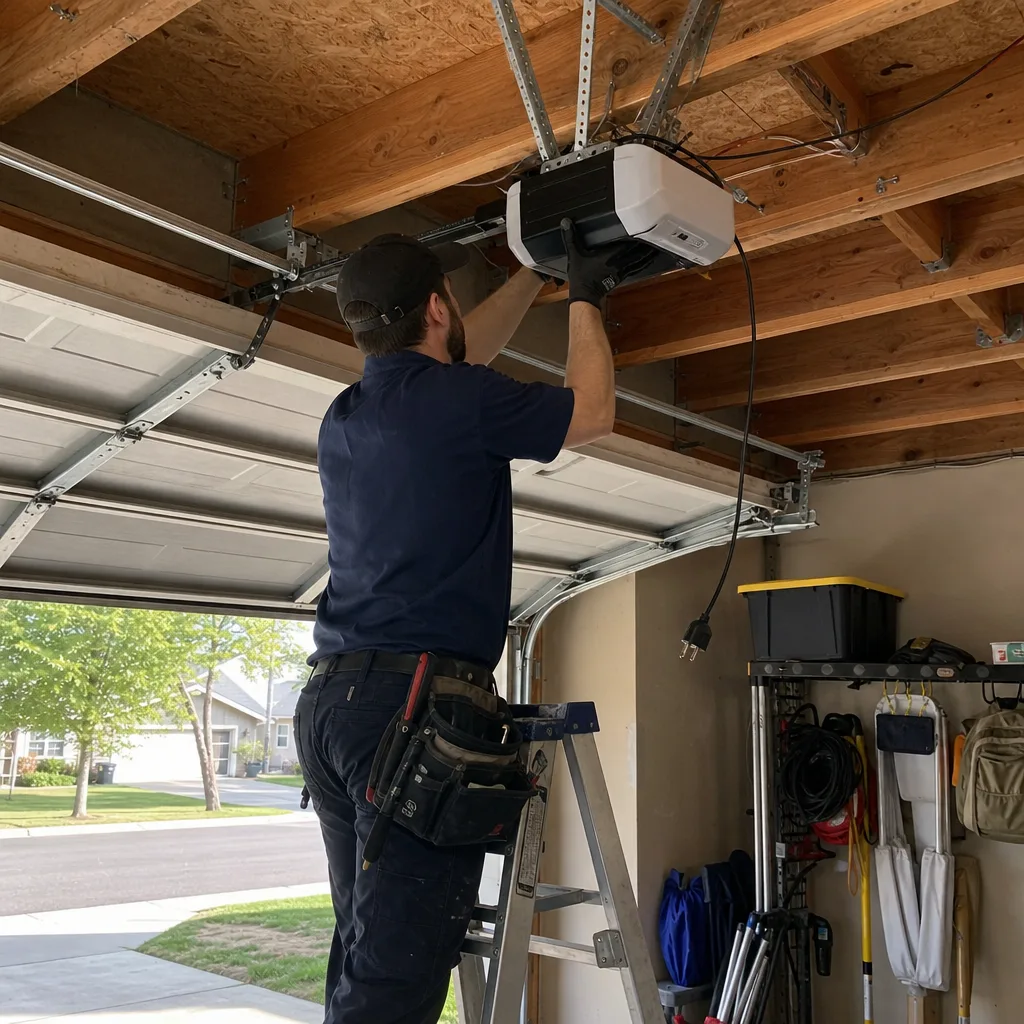
Last updated November 22, 2026
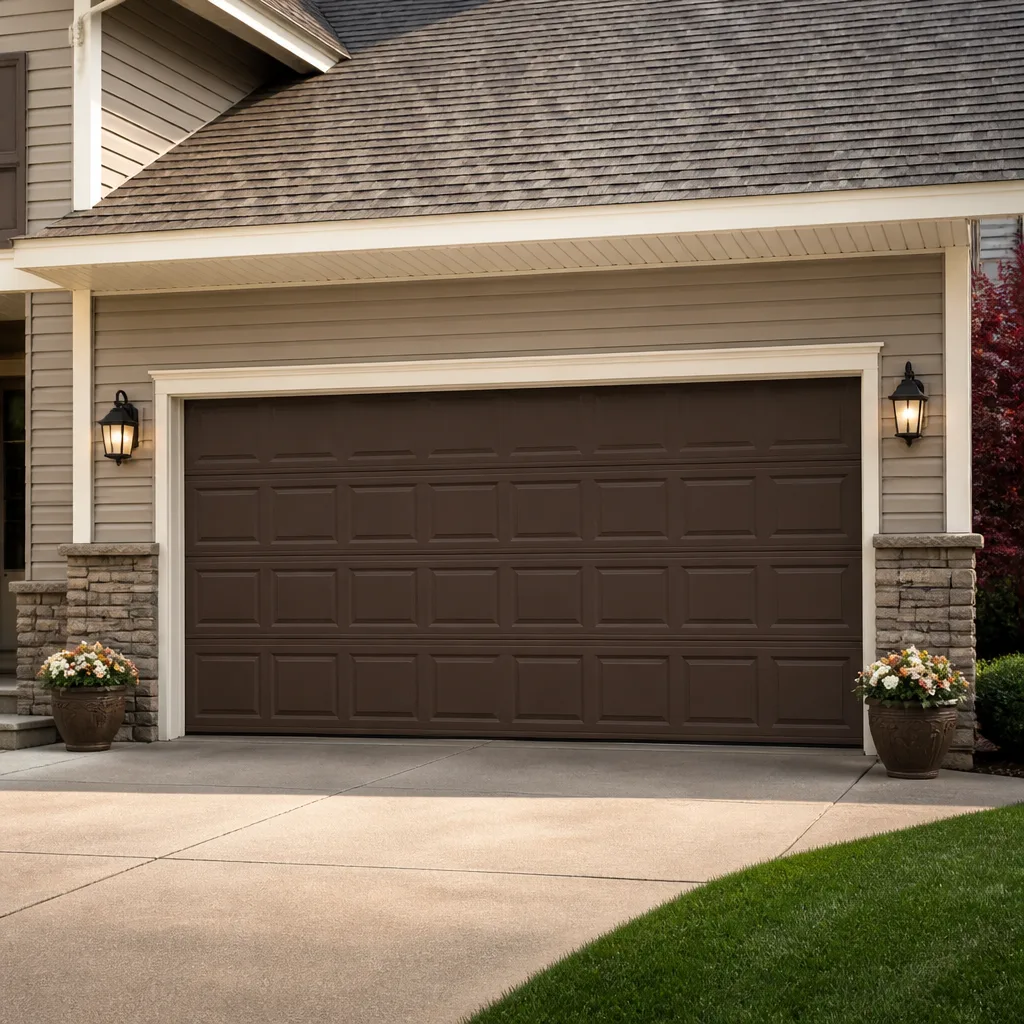 Raised-panel steel
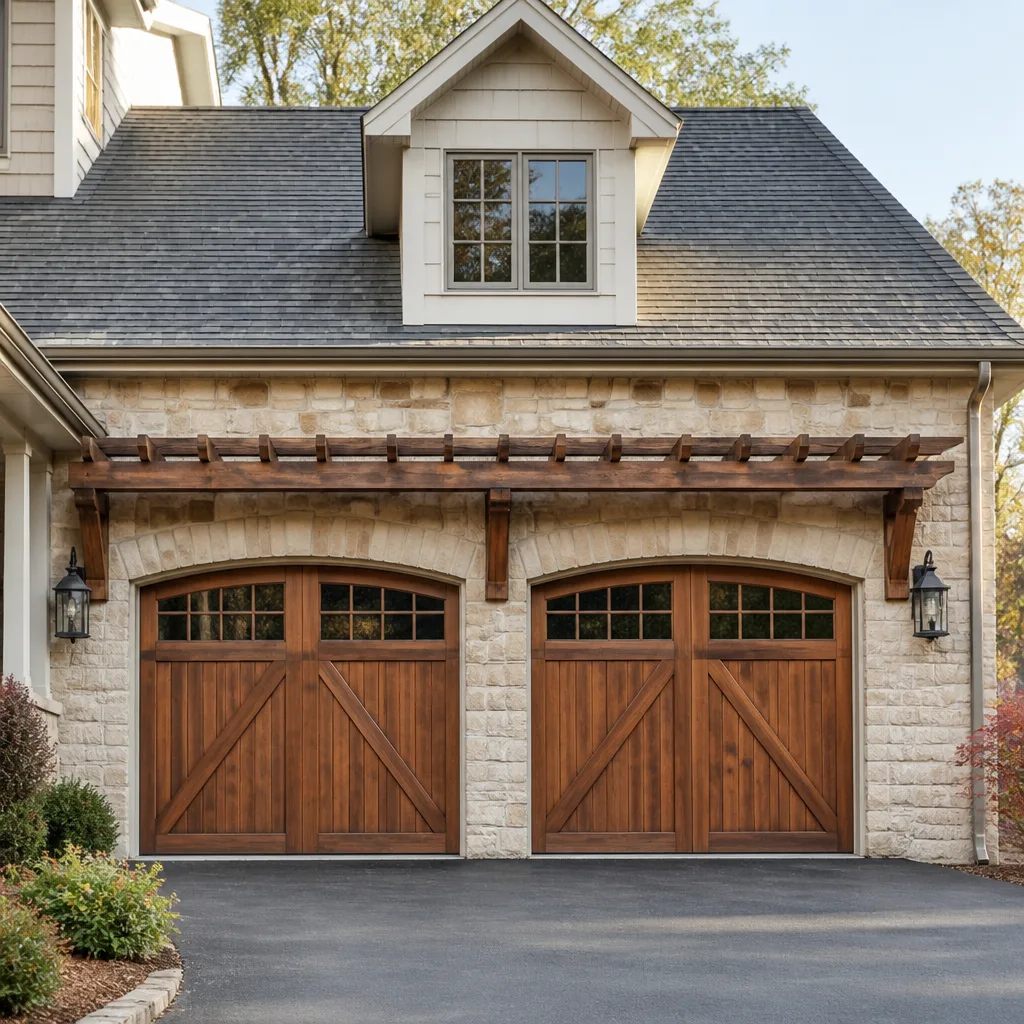 Carriage house
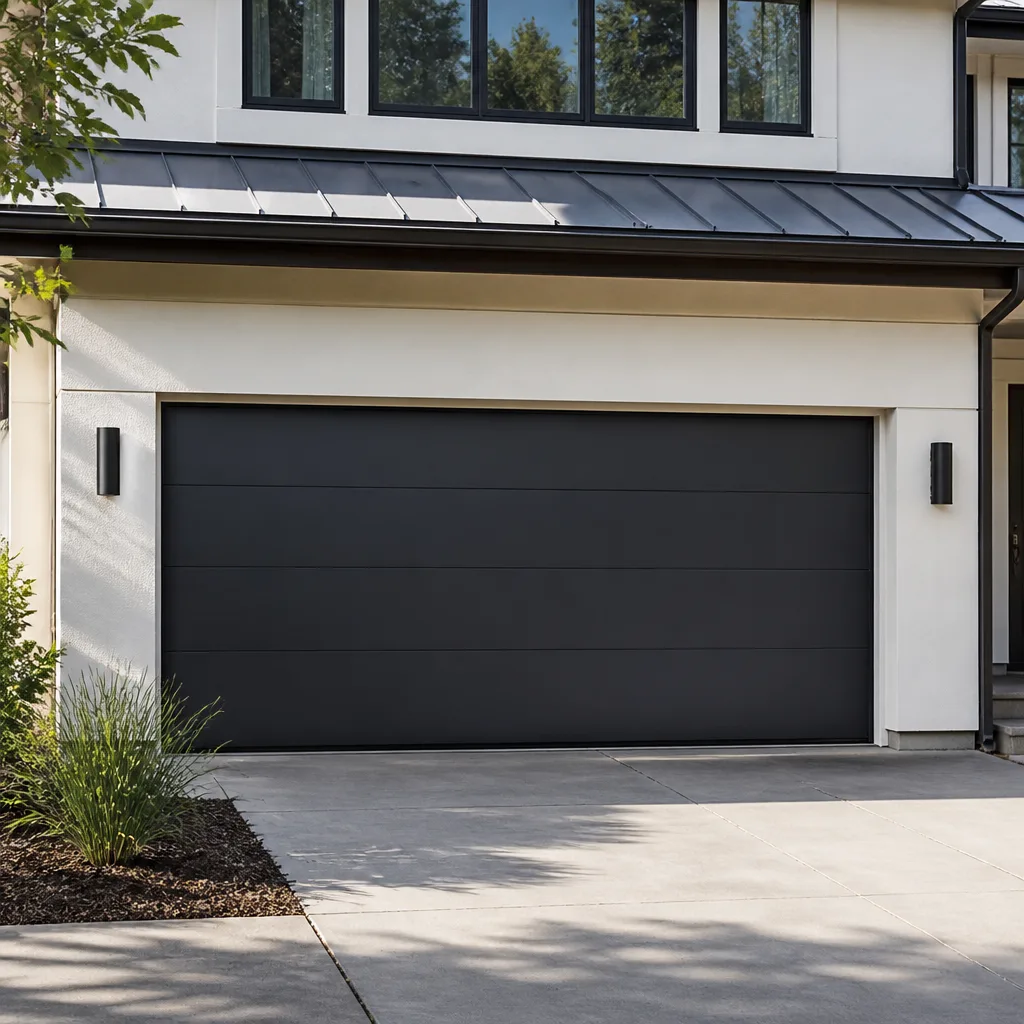 Modern flush
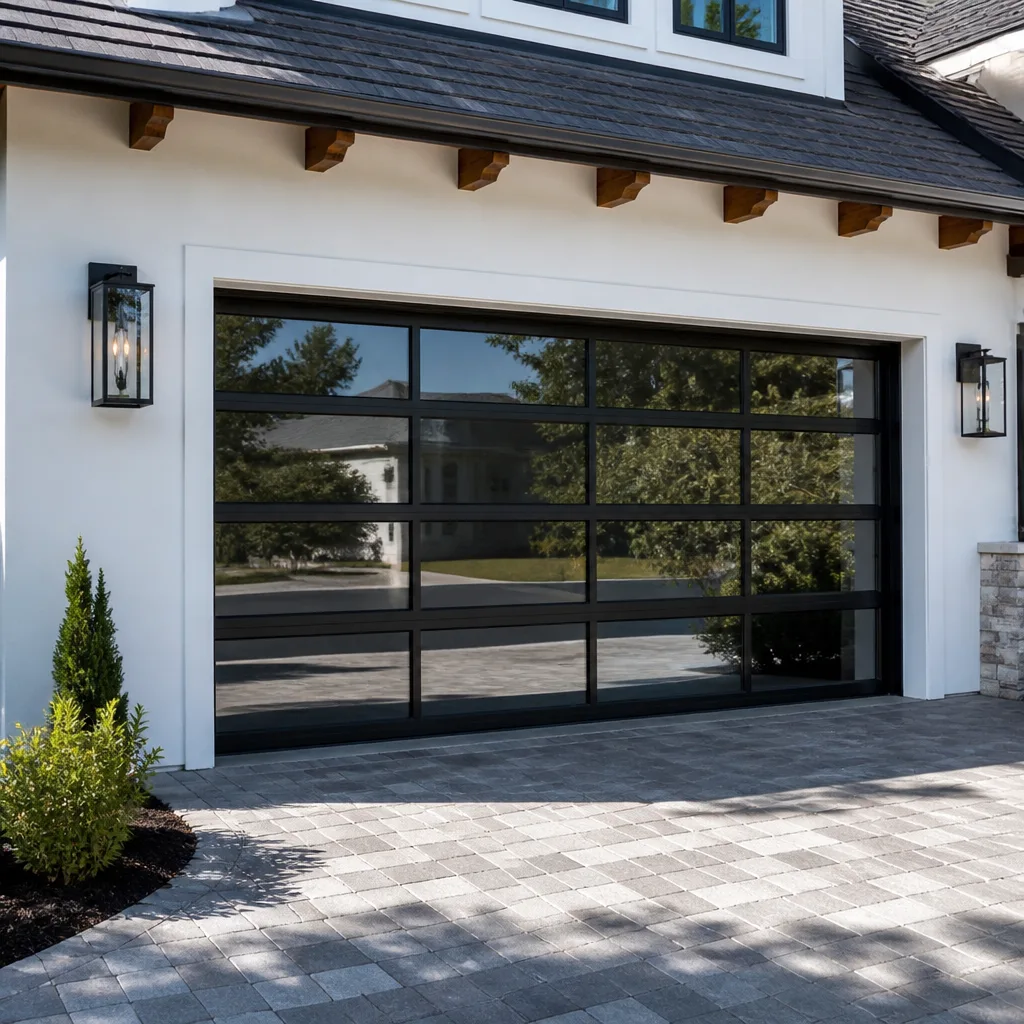 Full-view glass
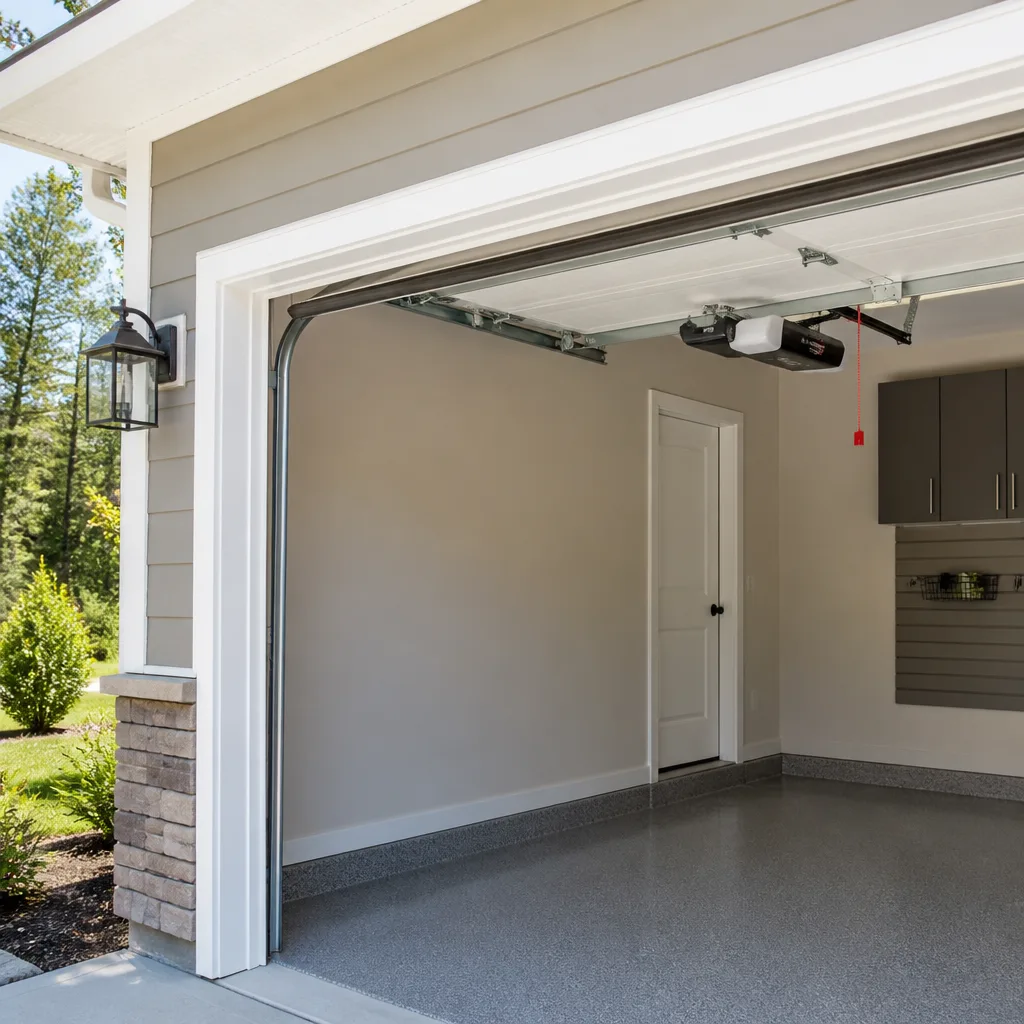 LiftMaster openers
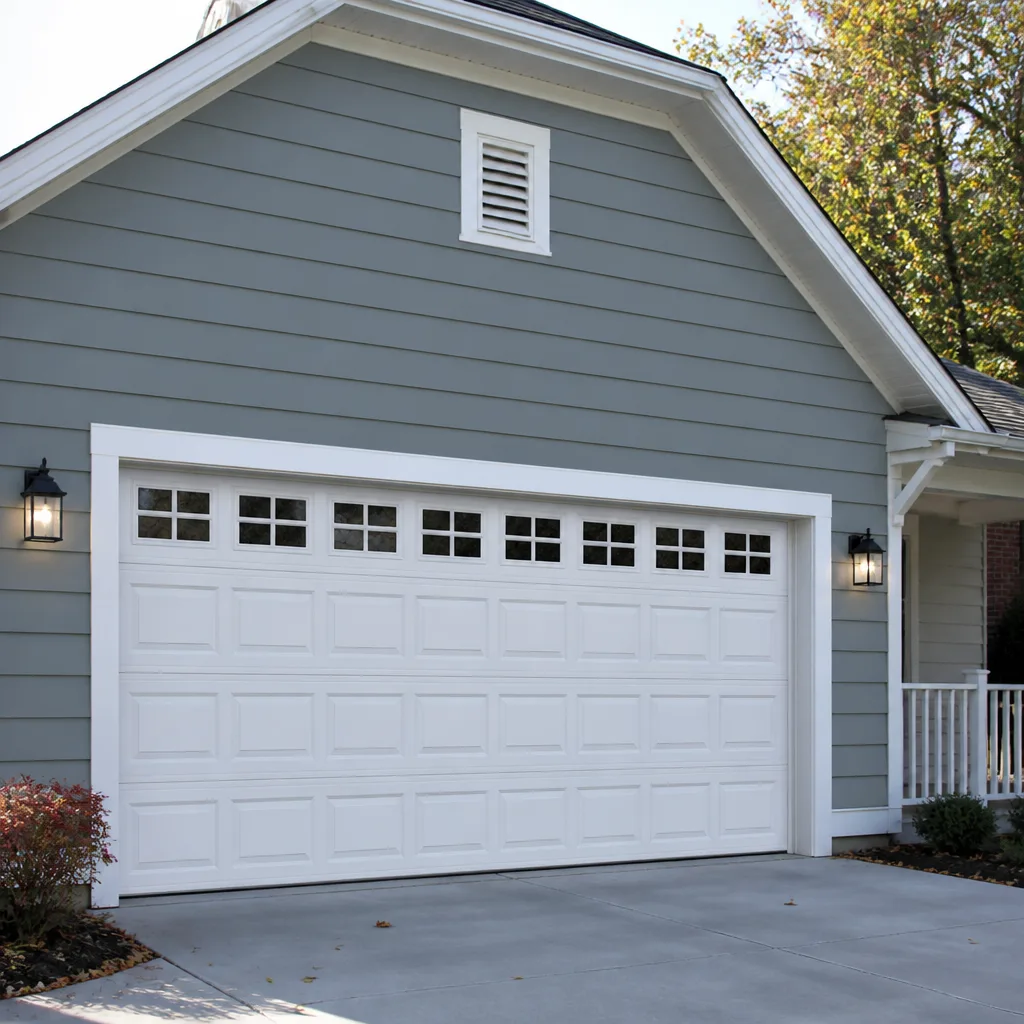 Chamberlain openers
Full 25-point door and opener safety check with every visit - springs, cables, rollers, tracks, and your LiftMaster or Chamberlain opener included
You get a price before we start. It does not change when the pro arrives.
Get your free estimateGarage Door Permits, Codes & Inspections in Coon Rapids, MN: What You Need to Know
Most Coon Rapids homeowners treat a garage door replacement like swapping out an appliance: the old one comes down, the new one goes up, and the paperwork never enters the conversation. That assumption is where things get expensive. A garage door is part of your home’s structural envelope, and in Minnesota it sits inside a web of code requirements that touch energy, fire separation, and safety. Skip the permit, and the problem doesn’t surface while the door is new. It surfaces at resale, when a buyer’s inspector starts asking questions nobody can answer. This guide walks through the Coon Rapids permit threshold, what an inspection actually checks, the fire-rated door rule most people have never heard of, and how unpermitted work gets resolved.
Quick Answer
In Coon Rapids, and across Anoka County, replacing a garage door usually requires a building permit, while repairing the existing door or its hardware generally does not. Structural changes to the opening, the header, or the wall above the door always require one. Permits are pulled through the city’s building department, and the written rules on a specific project are best confirmed directly with that office before work starts. If you’re unsure which category your project falls into, that call is worth ten minutes.
Styles & brands we work with
- Raised-panel steel
- Carriage house
- Modern flush
- Full-view glass
- LiftMaster openers
- Chamberlain openers
Table of Contents
- Repair vs. Replacement: Where the Coon Rapids Permit Line Falls
- How the Coon Rapids Permit Process Works
- What a Garage Door Inspection Actually Covers
- The Fire-Rated Door Rule Between Your Garage and Living Space
- How Unpermitted Garage Door Work Shows Up at Sale
- Why Coon Rapids Climate and Housing Stock Affect Code Compliance
- Resolving a Permit Problem After the Fact
- Choosing a Contractor Who Handles the Paperwork
Repair vs. Replacement: Where the Coon Rapids Permit Line Falls
The simplest way to think about it: if the door and its supporting structure stay where they are and you’re fixing parts, you’re in repair territory. If the door leaves the opening and a new one goes in, you’ve crossed into replacement, and replacement is where permit requirements begin.
Here’s how the categories usually break down. This is a general guide, not a substitute for an answer from the city.
- Repair, no permit normally required: spring replacement, cable replacement, roller and hinge swaps, track realignment, opener repair or replacement, weather seal and bottom seal work, panel replacement on a sectional door.
- Replacement, permit usually required: removing an existing door and installing a new one, including a like-for-like swap of the same size.
- Structural modification, permit always required: changing the width or height of the opening, altering the header above the door, moving or resizing the rough opening, or changing how the door is anchored into the framing.
That middle category catches people off guard. A homeowner replacing a worn 16-foot steel door from Clopay with a new door of the same dimensions tends to assume nothing about the house is changing, so why would the city care? The reason is that the door assembly is a rated component of the building envelope. The city wants a record that a compliant door was installed, anchored properly, and tested. Our advice is consistent: for Coon Rapids Garage Door Repair work that stays on the repair side, you can usually skip the permit conversation. For anything that puts a new door in the opening, start with the building department.
How the Coon Rapids Permit Process Works
Permits are issued by the City of Coon Rapids building department, and the process is more straightforward than most homeowners expect. The work itself is what’s complicated; the paperwork is a few steps.
- Confirm the requirement. Call the city’s building department and describe the project in plain language: same-size replacement, structural change, or repair. Ask what they require for your specific address. Rules can vary by property, especially on older lots with nonstandard garages.
- Decide who pulls the permit. Either the homeowner or the contractor can typically apply. When a contractor pulls it, the license and insurance information is on file with the city, and the inspection record is tied to the professional who did the work. When a homeowner pulls it as an owner-builder, that homeowner is responsible for code compliance and for being present at inspection.
- Submit the application. Expect to provide the address, a description of the work, the door type and size, and the contractor’s information if applicable. Some jurisdictions request product specification sheets for wind or impact-rated assemblies.
- Wait for the permit to be issued. Turnaround varies with city workload and the completeness of the application. Ask for the expected timeline when you submit, so you can schedule the install behind it rather than in front of it.
- Schedule the inspection. Once the door is installed, the inspector visits, reviews the installation, and either signs off or notes corrections. A failed inspection isn’t a disaster, but corrections mean a second visit and potential delay.
For a Coon Rapids replacement, the practical move is to get the permit question answered before the door is ordered. A new door is a special-order item in most sizes, and if the permit process reveals a code issue with the opening, you want to know that while you can still adjust the order.
What a Garage Door Inspection Actually Covers
An inspector is not there to grade the installation’s looks. The visit is about life safety and structural attachment, and the checklist overlaps only partly with what your contractor verifies during install.
A typical inspection reviews:
- Attachment and anchoring. How the door tracks, the torsion or extension hardware, and the opener rail are fastened to the framing. A door that pulls loose from a marginal header is the failure mode inspectors care most about.
- Auto-reverse function. Since 1993, residential openers sold in the US have been required to include a contact-reversal feature, and the inspection checks that it works. If you don’t know whether your opener has it, that’s a five-minute test: place a roll of paper towels in the door’s path and close it. The door should reverse on contact.
- Photo-eye safety sensors. Required on openers manufactured since 1993 as well. The inspector checks that the beam is aligned and that a break in the beam stops and reverses a closing door. LiftMaster and Chamberlain openers both use this system, and alignment issues are the most common sensor failure in our experience.
- Force settings. How much resistance the door meets before it reverses. A binding door or a worn spring can push the force past the point where the reversal feature protects anyone.
- Clearance and structural openings. Whether the opening, header, and surrounding framing match what was permitted, and whether the installation left the structure sound.
- Fire separation, where applicable. On attached garages, the door between the garage and the house is reviewed for the required rating and for proper closing and latching. More on that below.
The gap between contractor self-verification and inspection is real. A technician can confirm the door works and the safety features trip correctly, and our technicians do that on every visit. An inspector confirms it against the permitted scope and the adopted code, and that third-party sign-off is what the resale file needs.
The Fire-Rated Door Rule Between Your Garage and Living Space
This is the code requirement homeowners most often don’t know applies to them. When a garage is attached to the house, the wall and door separating the garage from the living space are treated as a fire separation assembly. The purpose is to slow a garage fire long enough for occupants to get out and for the fire department to respond.
Under the model residential code adopted broadly across Minnesota, that separation includes a door with a fire rating, self-closing hardware, and a proper latch. The rating requirement commonly cited is a 20-minute rating, though your local authority is the definitive source for what applies at your address. What this means in practice:
- If your house-to-garage door is a standard hollow-core interior door, it likely does not meet the requirement, even if it has been there for years.
- A self-closing hinge or closer is part of the assembly, not an optional upgrade. The door should close and latch on its own.
- Drywall and sealing details on the garage side of the shared wall are part of the same separation and are checked at inspection.
Why does this matter on a garage door page? Because when a Coon Rapids homeowner pulls a permit for a garage door replacement and the inspector walks the garage, the separation assembly is often reviewed at the same time. If the house-to-garage door fails the check, it becomes part of the correction list. Knowing this in advance lets you plan for it instead of discovering it mid-inspection.
How Unpermitted Garage Door Work Shows Up at Sale
Unpermitted work usually sits quietly for years. The door works, the opener runs, nobody asks questions. Then the house goes on the market, and a buyer’s home inspector opens the file.
What typically happens:
- The inspector notes the discrepancy. A newer garage door with no permit record in the city’s database is a visible flag. Inspectors are trained to spot recently replaced assemblies, and they check permit history as part of the report.
- The buyer’s agent raises it. In Minnesota, sellers are required to disclose material facts about the property. Unpermitted work that affects safety or the building envelope is the kind of item that ends up in a disclosure conversation, and some real estate attorneys handle exactly this issue when transactions stall.
- The deal gets held up. Buyers and their lenders want a clear record. A missing permit can push closing out while the seller retroactively resolves it, and that delay is where the leverage shifts.
- The title or insurance review can complicate it. Some insurers and lenders ask about permitted improvements. An unrecorded structural change is the kind of detail that surfaces in underwriting.
The cost of resolving it after the fact is always higher than the cost of doing it correctly the first time. That’s true whether you’re talking about the permit fee, the inspection, or the labor of opening up an installation the city never signed off on.
Why Coon Rapids Climate and Housing Stock Affect Code Compliance
Coon Rapids sits in a climate that punishes marginal garage door installations. Winters here bring repeated freeze-thaw cycles and deep cold, and garage doors face that weather on the largest moving panel in the house. That environment shapes which code requirements actually matter for Coon Rapids homeowners.
- Insulation and thermal performance. An insulated door matters more here than in a mild climate, especially on attached garages where the door shares a wall with living space. Door assemblies carry thermal ratings, and the inspector can ask for the specification sheet.
- Weather sealing. Bottom seals and perimeter seals take a beating through the freeze-thaw cycles. A door that seals poorly lets in cold air and moisture, and moisture at the door sill is a common source of damage to the framing that holds the track.
- Older housing stock in neighborhoods like Coon Rapids’ established subdivisions. Homes built decades ago often have nonstandard garage openings, and a replacement door may not drop into the existing frame without adjustment. That adjustment is exactly the kind of structural work that requires a permit.
- Spring and cable wear. Cold weather accelerates metal fatigue. A spring that’s been cycled through many Minnesota winters is a failure waiting to happen, and springs are the most dangerous component on the door. This is a job for trained technicians, not a homeowner with a winding bar. For more detail on garage door spring repair and what to expect, we cover the process in depth elsewhere on this site.
Resolving a Permit Problem After the Fact
If you’ve bought a home with an unpermitted garage door, or you had one installed without a permit, the fix is usually more paperwork than demolition. Here’s how it typically goes.
- Call the city and describe the situation honestly. Tell them what was installed, when, and that no permit was issued. Cities handle this routinely. Ask what they need to bring the installation into compliance.
- Expect an inspection of the existing installation. The inspector will review the anchoring, safety features, and structural condition. Most installations pass on safety grounds; the deficiency is the missing permit, not the work itself.
- Provide documentation. Door specifications, product sheets, and contractor information help. If the original installer is reachable, their records are useful.
- Correct what the inspector flags. When the correction is minor, like a missing self-closer on the house-to-garage door, it’s a quick fix. When it’s the installation itself, the cost goes up.
- Get the sign-off and keep the record. Store the inspection paperwork with your home files. That record is what you’ll show a buyer’s inspector someday.
If you’re facing the home inspection version of this problem and need a contractor who can document an existing installation, that’s part of what we do. We can evaluate what’s there and put the findings in writing.
Choosing a Contractor Who Handles the Paperwork
The best way to deal with permits is never to have the problem. That means hiring a garage door specialist who treats the permit as part of the job, not an administrative annoyance. A few things to look for:
- Asks about your address and the project type before quoting. The permit answer depends on both. A contractor who quotes a replacement without asking whether the opening is standard hasn’t done the homework.
- Confirms the permit requirement with the city, not from memory. Requirements shift. A specialist stays current.
- Puts the permit responsibility in the written estimate. You should know before work starts who’s pulling it and who pays for it.
- Works on your brand. LiftMaster, Chamberlain, Genie, Clopay, Amarr, Wayne Dalton, Craftsman, and Raynor cover most of what’s in Coon Rapids garages. A contractor who knows these systems recognizes code-relevant installation details quickly.
- Shows up for the inspection. The contractor should be available for the inspection visit and for any corrections.
Homeowners in Coon Rapids who need garage door repair for a failing door or opener can usually get it done without permits and without delay. The permit conversation is specifically a replacement and structural issue, and it’s worth asking about explicitly before you sign anything.
Common Mistakes to Avoid
- Assuming a same-size replacement doesn’t need a permit. This is the most common error. A new door in the same opening is still a replacement of a rated assembly, and the city usually wants a record of it. Ask before ordering.
- Pulling the permit as a homeowner without understanding what it commits you to. An owner-builder permit puts the compliance responsibility on you, including being on site for inspection. If you’re not prepared for that, let the contractor pull it.
- Ignoring the house-to-garage fire door because “it’s been fine for years.” The code requirement doesn’t come and go with time. When the inspector walks your garage for the door replacement, they’ll likely look at the separation assembly too.
- Doing a structural change and calling it “just a bigger door.” Widening the opening means header work, framing changes, and a guaranteed permit. A door that fits differently than the old one is a different project, not a paperwork shortcut.
- Skipping the auto-reverse test after a repair. The opener’s safety features need verification after any work on the door or the opener. Our technicians test them on every visit, and you should know how to test them yourself.
- Hiring a generalist who “also does doors.” A contractor whose focus is spread across several trades is less likely to catch the code details specific to door assemblies, and less likely to flag a permit question before it becomes a problem.
- Treating the permit fee as the whole cost of going unpermitted. The real cost shows up later, at inspection, at disclosure, or at resale, and it’s always larger than the fee you skipped.
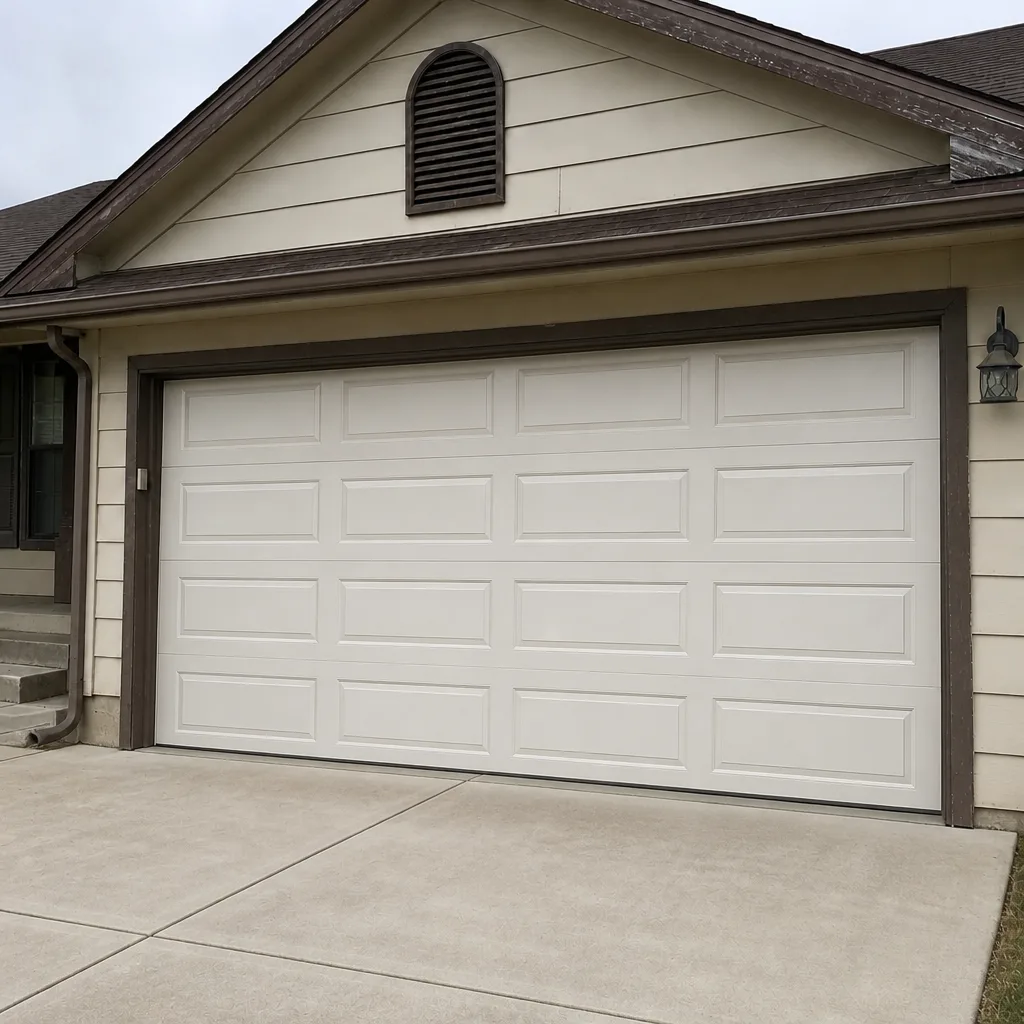
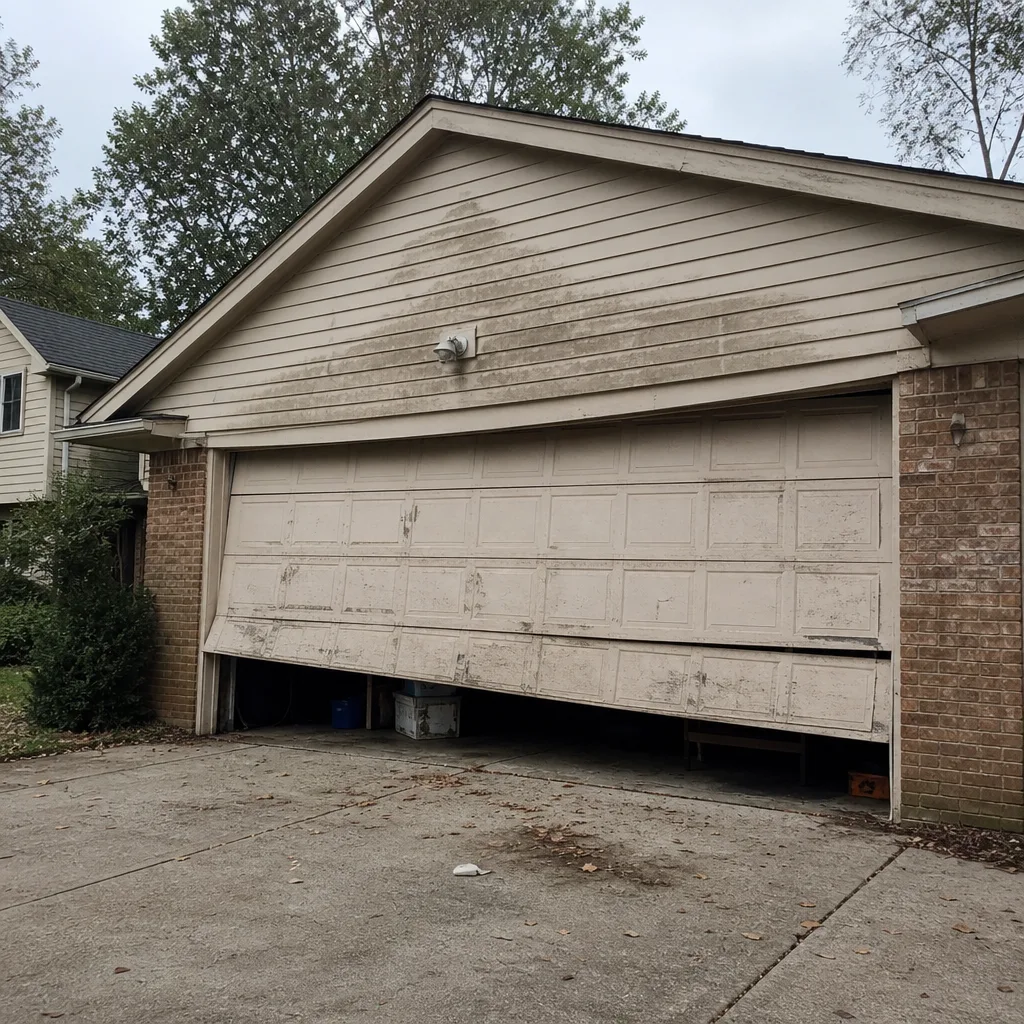
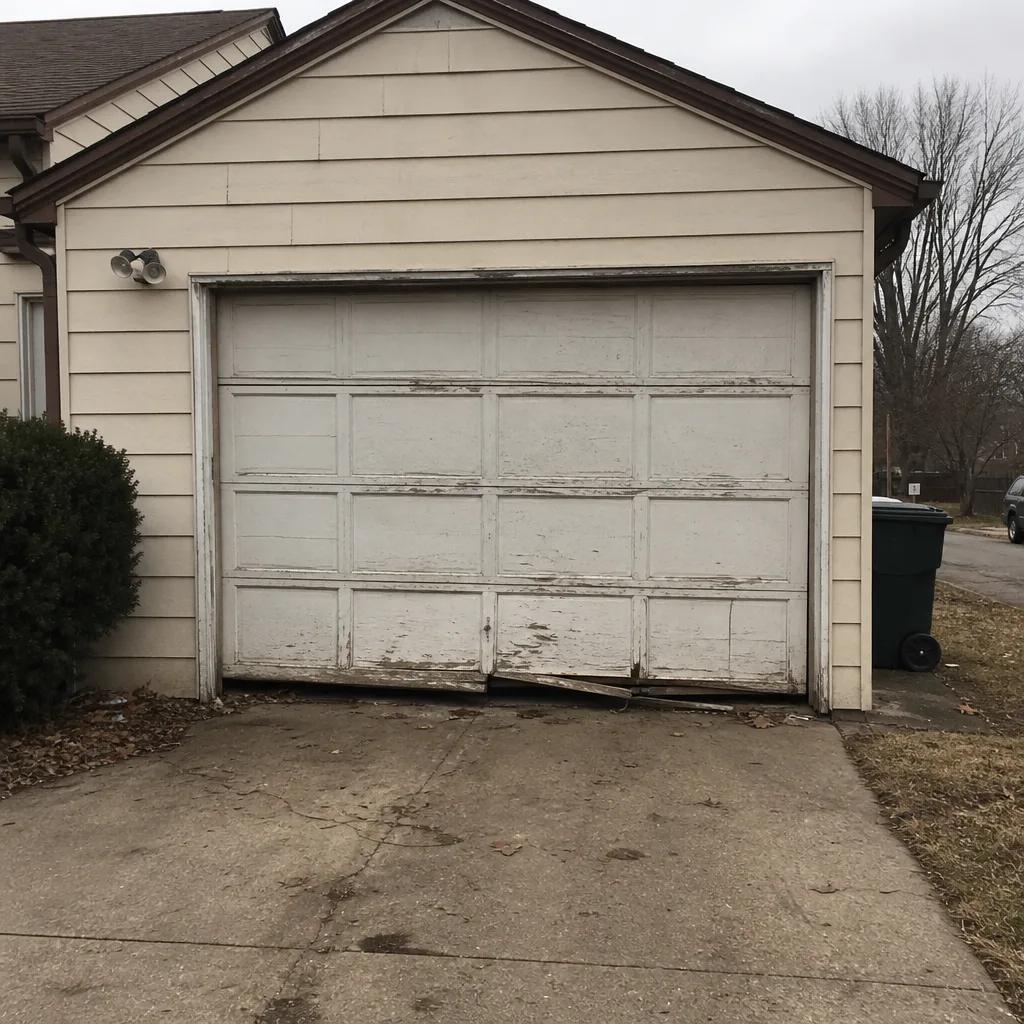
See the difference
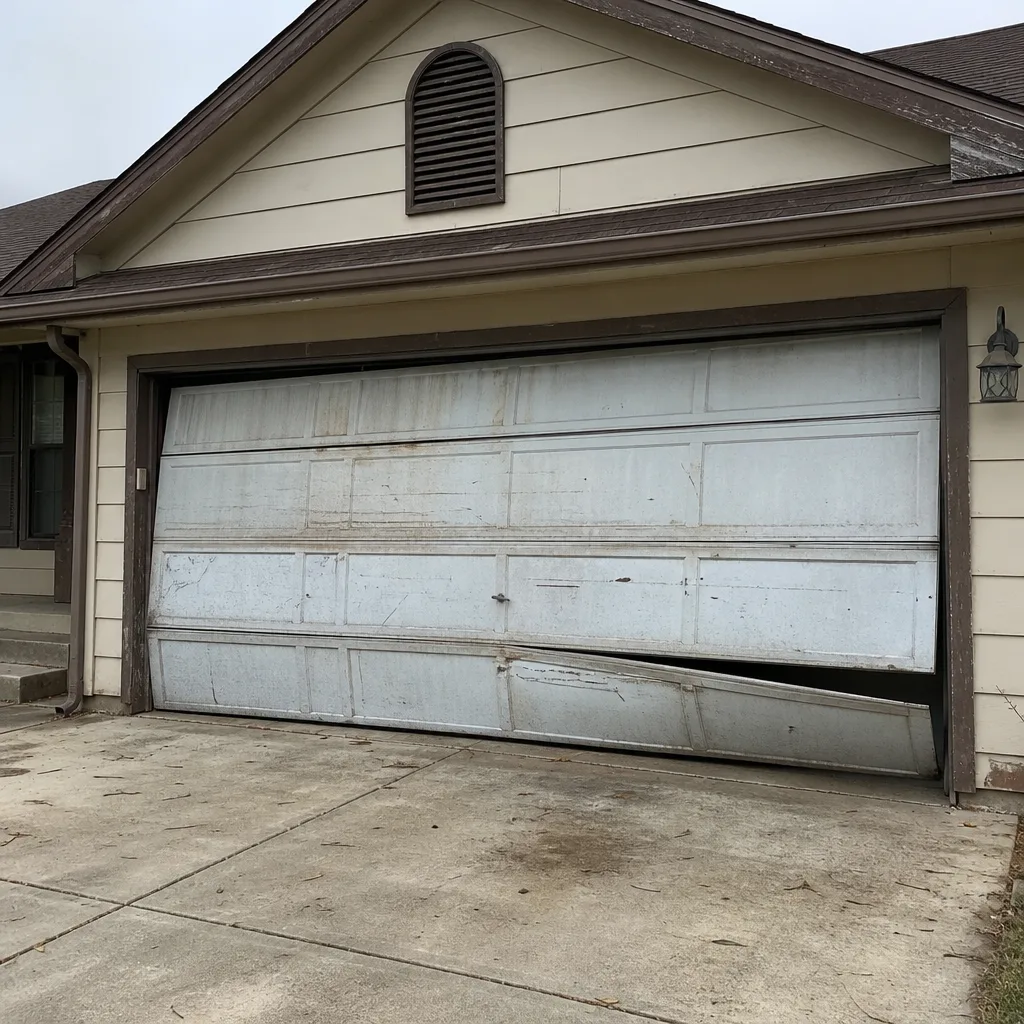 Before
 After
 Before
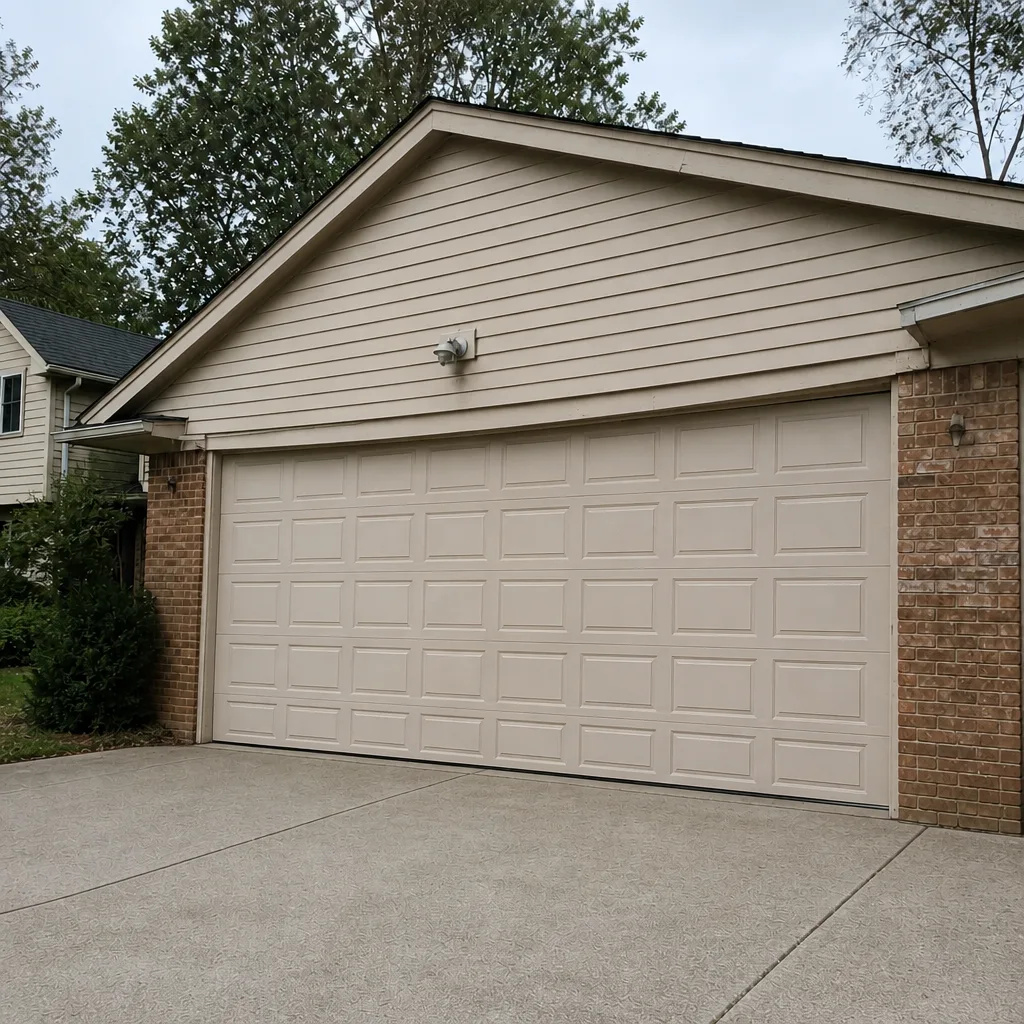 After
 Before
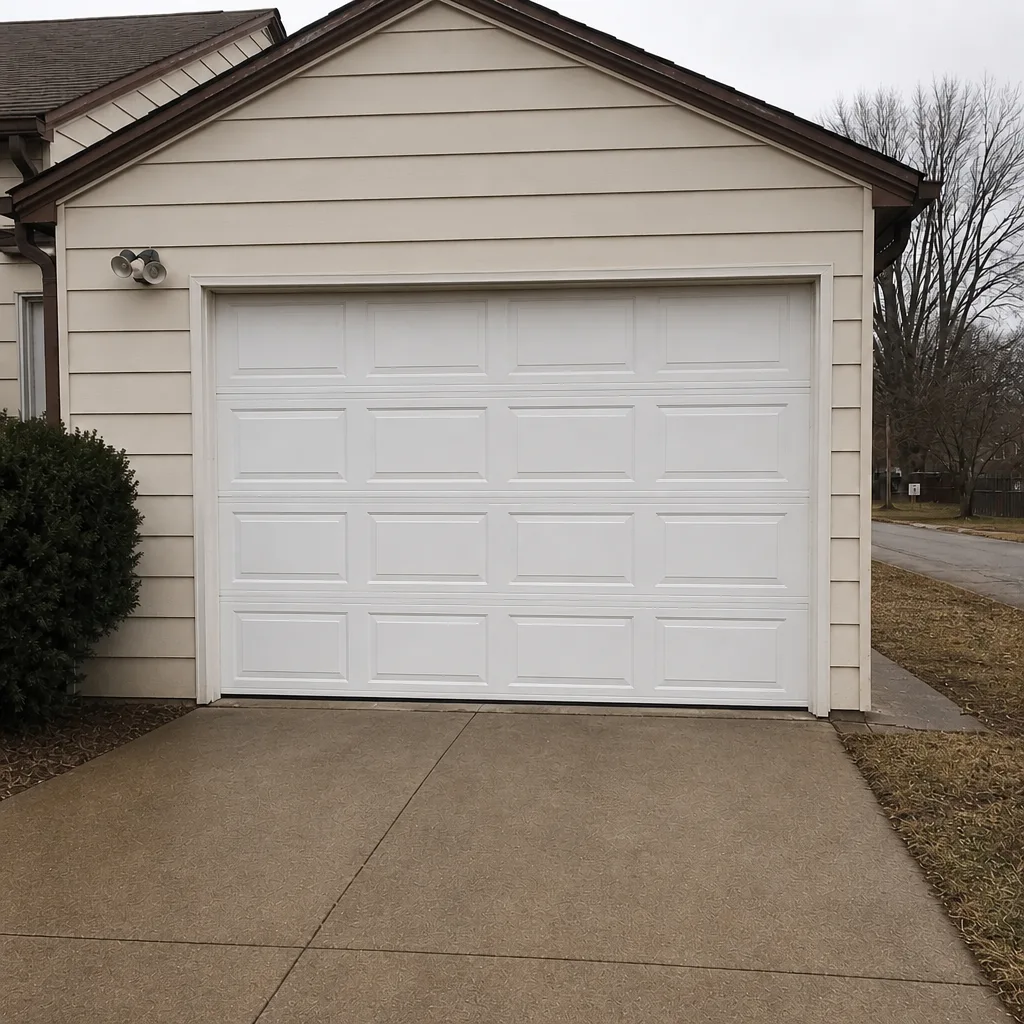 After
When to Call a Professional
Some garage door issues are genuinely dangerous, and springs and cables top that list. The torsion spring above your door holds enormous tension, and a DIY attempt can cause serious injury. A door that won’t open or close, a broken spring, a cable off the drum, or a door hanging crookedly are all situations where a trained technician should do the work. A door that’s stuck open overnight and leaving the house exposed gets urgent attention: our emergency service exists for exactly those cases, and same-day repair is often possible. We also handle garage door opener repair when the motor, sensors, or safety features fail.
Coon Rapids Garage Door Repair offers free estimates in Coon Rapids. We’re a single-trade garage door specialist, and our technicians have up to 14 years of experience. Call (833) 509-5386. We answer 24/7. Fast dispatch from 7am to 7pm, Sunday through Friday.
Frequently Asked Questions
In most cases, yes. Replacing a garage door in Coon Rapids generally requires a building permit because the door is a rated component of the building envelope, while repairing an existing door usually does not. The definitive answer for your address comes from the city’s building department, and that’s the call to make before you order a new door. Call (833) 509-5386 for a free estimate on the installation itself.
Either one can usually pull it. When the contractor pulls the permit, they carry the compliance responsibility and are present for inspection. When you pull it as an owner-builder, you’re responsible for code compliance and need to be on site for the inspection. Ask your contractor up front who’s handling it so it doesn’t fall through the gap. For a written estimate that spells this out, call (833) 509-5386.
An inspector verifies the installation against the permitted scope and the adopted code, including anchoring to the framing, clearance, and compliance with the fire separation assembly on attached garages. A contractor self-verifies that the door works and that the auto-reverse and photo-eye safety features function. Both matter, but only the inspector’s sign-off creates the record a future sale will need. Call (833) 509-5386 if you need an existing installation evaluated.
Yes, in most cases. In an attached garage, the wall and door separating the garage from the living space form a fire separation assembly, and the door typically requires a fire rating, self-closing hardware, and a proper latch. The rating commonly cited in model code is 20 minutes, and your local building department is the definitive source. This gets checked when the garage is inspected. Call (833) 509-5386 if you want a garage door specialist to look at your setup.
Start by calling the city and describing the situation. Most cities handle this routinely with a retroactive permit and an inspection of the existing installation. Correct anything the inspector flags, get the sign-off, and keep the paperwork with your home files. Handling it early beats handling it during a sale. Call (833) 509-5386 for help documenting or correcting an existing installation.
No. Spring replacement, cable replacement, opener repair, and similar mechanical work are repairs, not structural changes, so they generally don’t require a permit. They do require training and the right tools, because the spring holds enough tension to cause serious injury if it lets go unexpectedly. Our technicians handle spring repair as a specialty. Call (833) 509-5386 for a same-day estimate.
The Bottom Line
A garage door replacement in Coon Rapids is a permitted project in most cases, and the permit exists to record that a rated, safety-tested assembly went into your house. Repair work on the door and its hardware generally doesn’t require one. The two facts that catch most homeowners are these: a same-size replacement still counts as replacement, and the fire-rated door between an attached garage and the living space is part of the inspection. Neither is a reason to panic. Both are reasons to ask the building department before the door comes off the wall. Keep the paperwork, and the next inspection is just a formality.
When you’re ready to move on a repair or a replacement, we can help with either. Call (833) 509-5386 for a free estimate. We answer 24/7. Fast dispatch from 7am to 7pm, Sunday through Friday. Every price is quoted and agreed before any work starts, and the written estimate sets the final price.
Written by the team at Coon Rapids Garage Door Repair.