
Last updated November 22, 2026
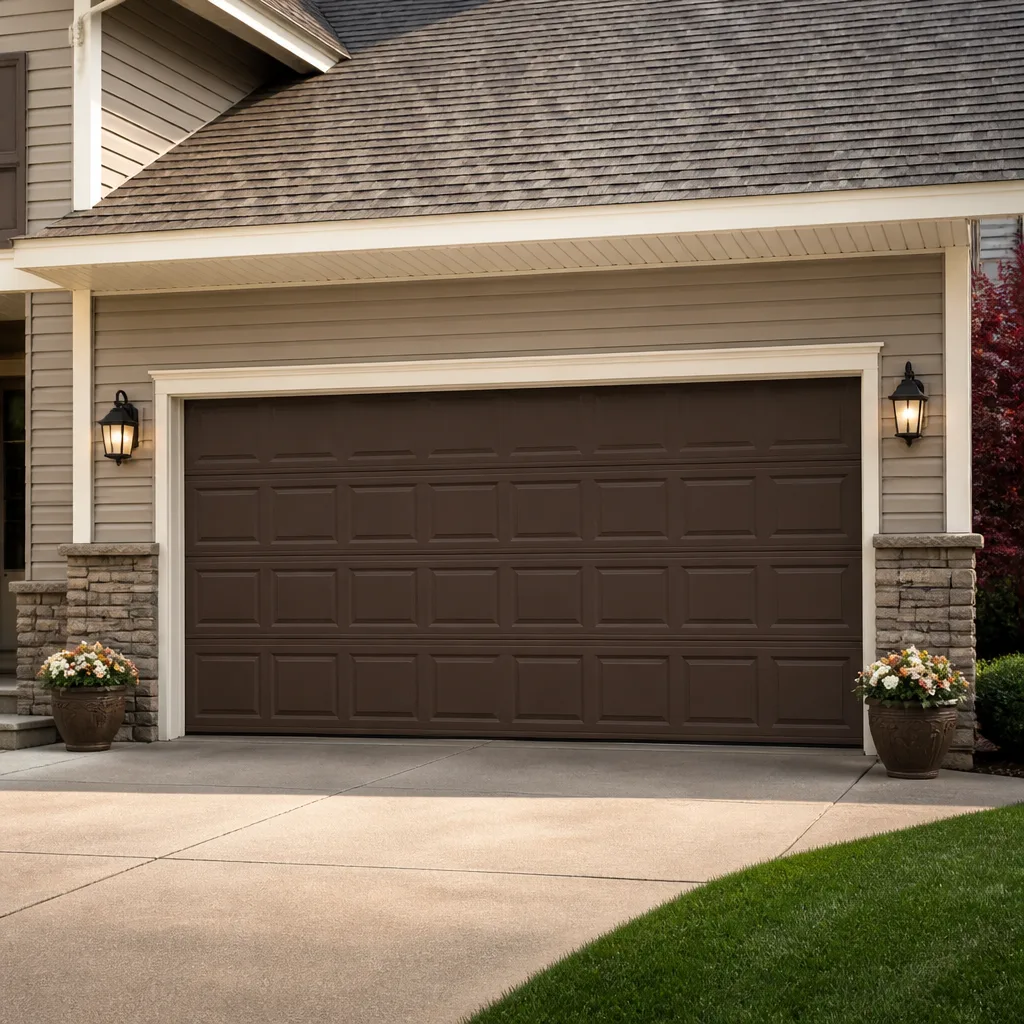 Raised-panel steel
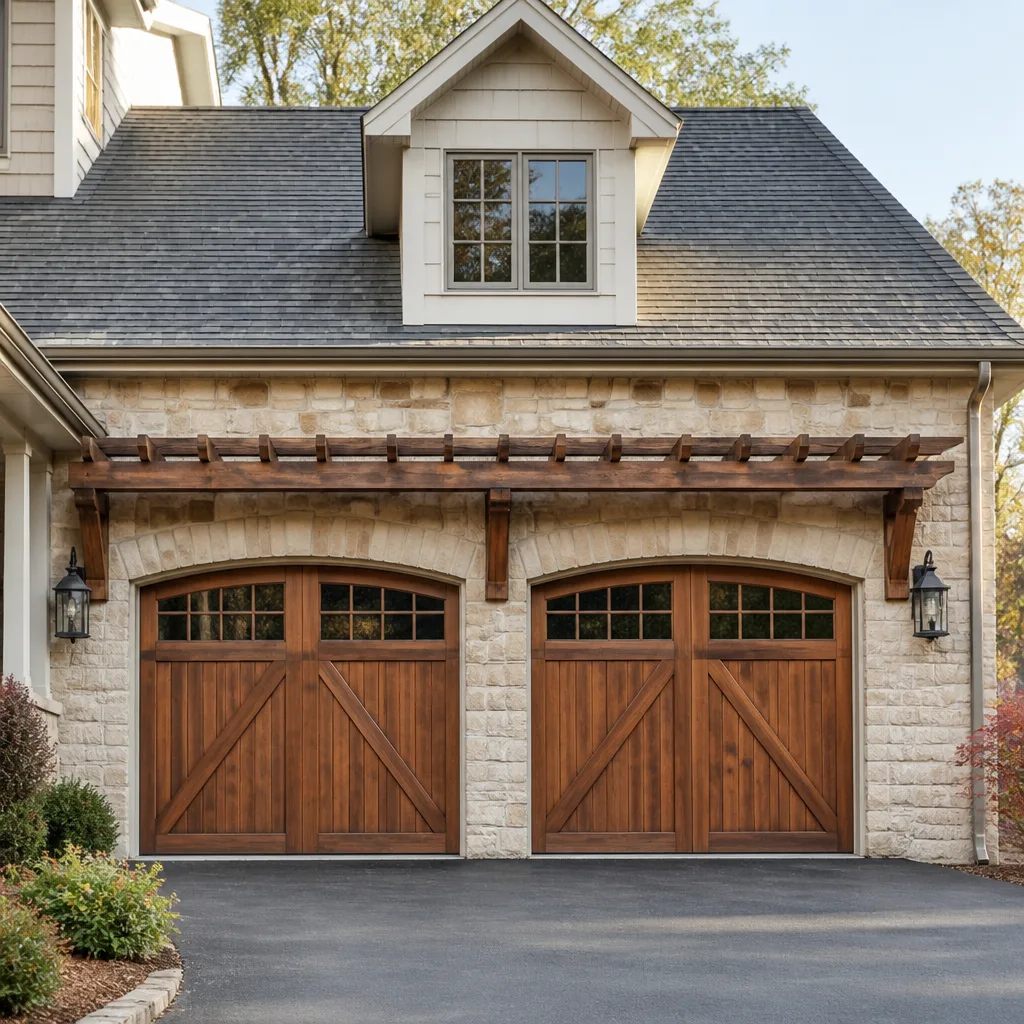 Carriage house
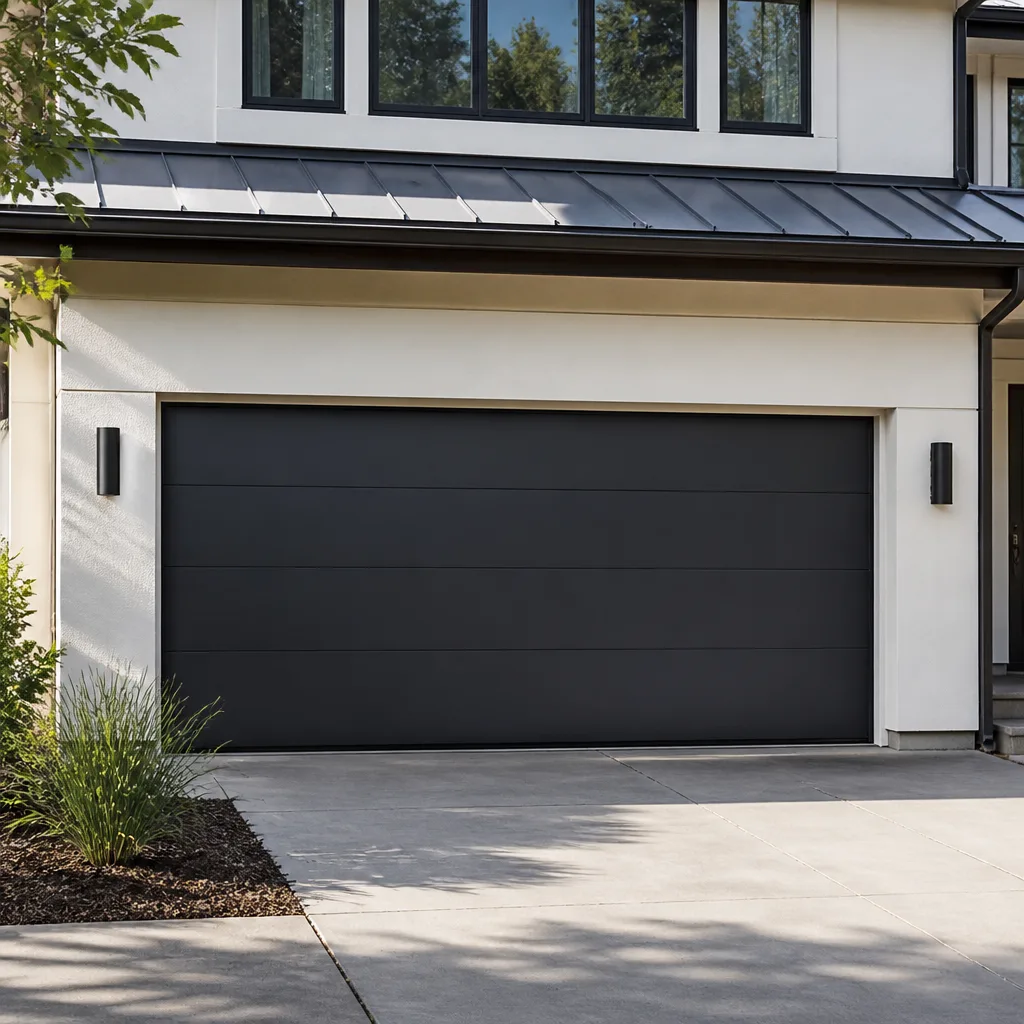 Modern flush
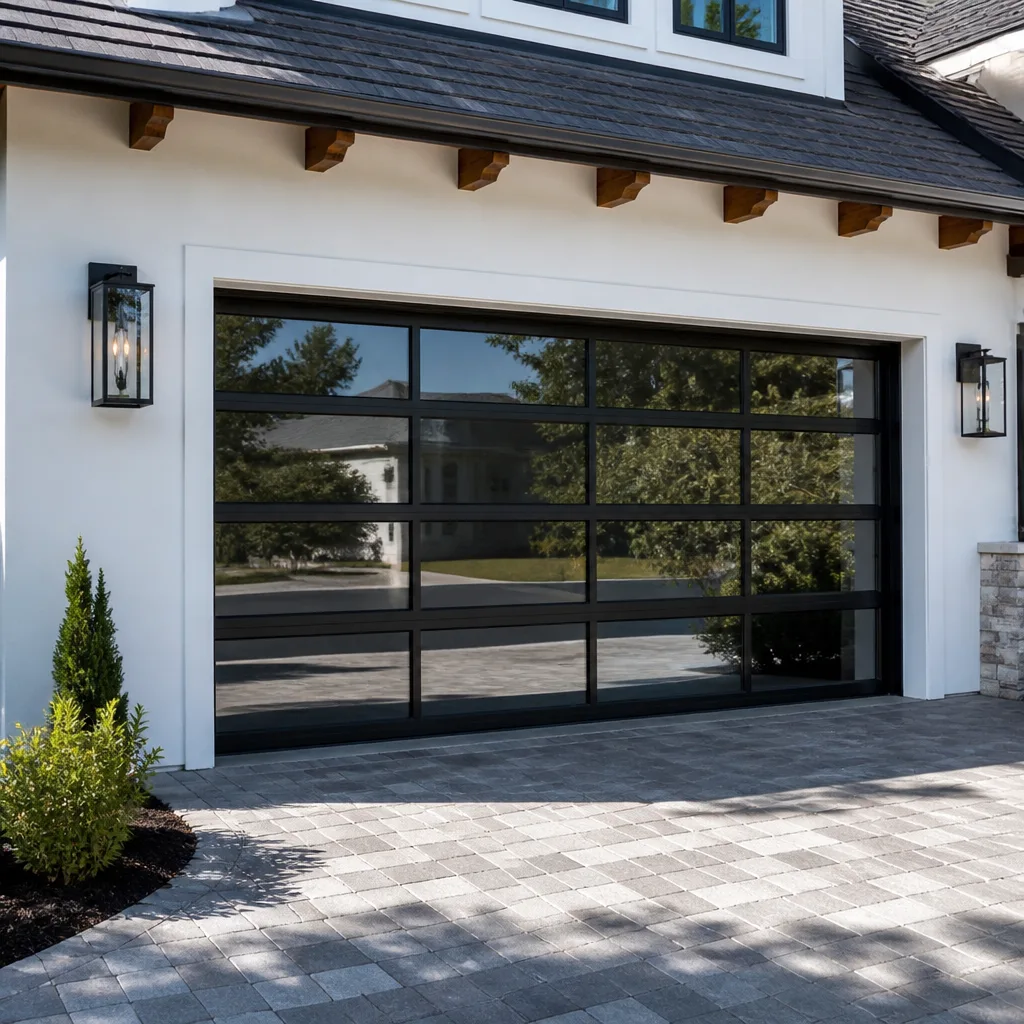 Full-view glass
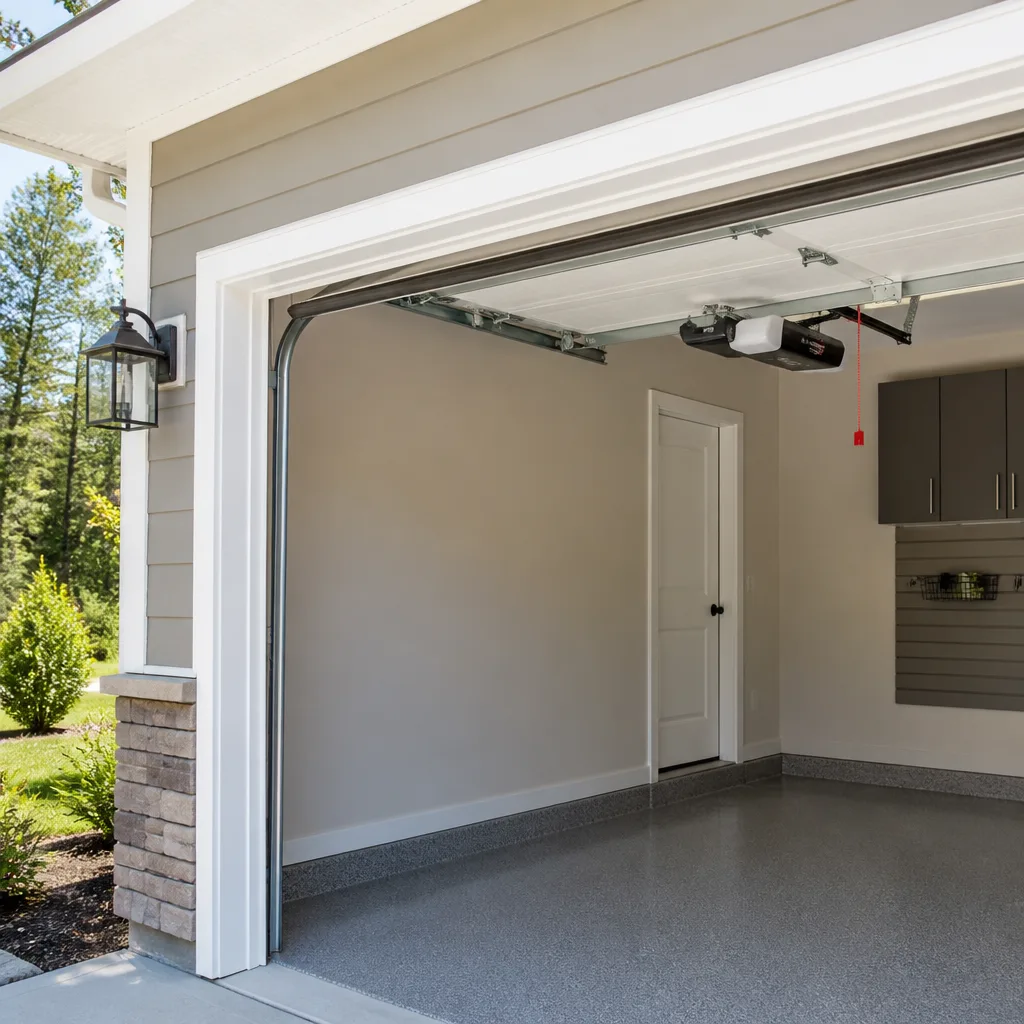 LiftMaster openers
 Chamberlain openers
Full 25-point door and opener safety check with every visit - springs, cables, rollers, tracks, and your LiftMaster or Chamberlain opener included
You get a price before we start. It does not change when the pro arrives.
Get your free estimateGarage Door Repair Maintenance Checklist for Coon Rapids Homeowners
The number one reason garage doors fail in February in Coon Rapids isn’t lack of maintenance. It’s maintenance done in the wrong order at the wrong time of year. Lubricating rollers in October matters. Doing it in January after they’ve seized is too late. We’ve seen this pattern repeat across the north metro season after season, and it’s entirely avoidable with a sequence that respects how cold actually works on metal, rubber, and grease. This guide is built around that idea: a checklist ranked by real failure frequency in cold-climate garages and sequenced by season rather than dumped into one undifferentiated list. You’ll learn what to do before the first freeze, what to check after spring thaw, which lubricants hold up below -20°F, and how to test your springs without ever touching the hardware.
Quick Answer
A cold-climate garage door maintenance checklist for Coon Rapids should be sequenced by season, not done all at once. Before the first freeze, lubricate moving parts with a synthetic product rated below -20°F, inspect and replace a cracked bottom seal, and check spring balance by hand. After spring thaw, re-inspect for rust, seal compression set, and panel alignment. Monthly, run a 60-second safety check on the photo-eye and auto-reverse. Once a year, book a professional inspection. Generic ten-point lists ignore Minnesota’s freeze-thaw cycle, and that’s exactly where most doors here break down.
Styles & brands we work with
- Raised-panel steel
- Carriage house
- Modern flush
- Full-view glass
- LiftMaster openers
- Chamberlain openers
Table of Contents
- Why the Order of Maintenance Matters More Than the Checklist Itself
- The Pre-Freeze Checklist: What Must Be Done Before the First Hard Frost
- Which Lubricants Survive a Minnesota Winter (and Which Make Things Worse)
- How to Test Spring Tension Safely Without Tools
- Bottom Seal Inspection: Three Kinds of Damage, Three Different Fixes
- The Monthly 60-Second Safety Check vs. the Annual Professional Inspection
- The Spring Thaw Checklist: What Winter Leaves Behind
- Mid-Summer Maintenance: The Season Everyone Skips
Why the Order of Maintenance Matters More Than the Checklist Itself
Most garage door maintenance advice treats every task as equally important and equally timed. That works in a mild climate. It fails badly in Coon Rapids, where the thermometer swings from summer humidity to -20°F stretches and back again in a single calendar year, and where that freeze-thaw cycle happens dozens of times between November and March.
Here’s the physical reality. Metal contracts in cold. Rubber hardens. Lubricant thickens. A hinge that’s slightly loose in August becomes a hinge that’s binding and grinding by January, because the tolerances have closed up and the grease that was supposed to protect it has the consistency of cold honey. If you lubricate in October, the product is in place before the contraction starts and it does its job. If you lubricate in January after the parts have already seized, you’re trying to work a cold lubricant into a joint that’s already stressed. The damage has started.
The same logic applies to the bottom seal. A seal that’s inspected in fall and replaced before the freeze sits flat against the concrete through winter. A seal that’s cracked in November and ignored until March lets cold air and snowmelt into the gap all season, which drives up your heating load and can freeze to the floor.
So the sequence isn’t fussiness. It’s the difference between maintenance that prevents failure and maintenance that reacts to it. The rest of this guide is organized around that principle, starting with the fall tasks that carry the most weight. Brand doesn’t change the sequence much – whether your door is a Wayne Dalton or a Raynor, the freeze-thaw physics are identical.
The Pre-Freeze Checklist: What Must Be Done Before the First Hard Frost
The fall window, roughly late September through the first week of October in Coon Rapids, is the highest-value maintenance period of the year. Everything you do here gets tested by four months of cold. Everything you skip gets tested too, just less kindly.
Work through these in order:
- Lubricate all moving metal-to-metal contact points. Rollers, hinges, bearing plates, and the torsion shaft bearings. Use a synthetic lubricant rated for low temperatures (more on this below). This is the single most important fall task.
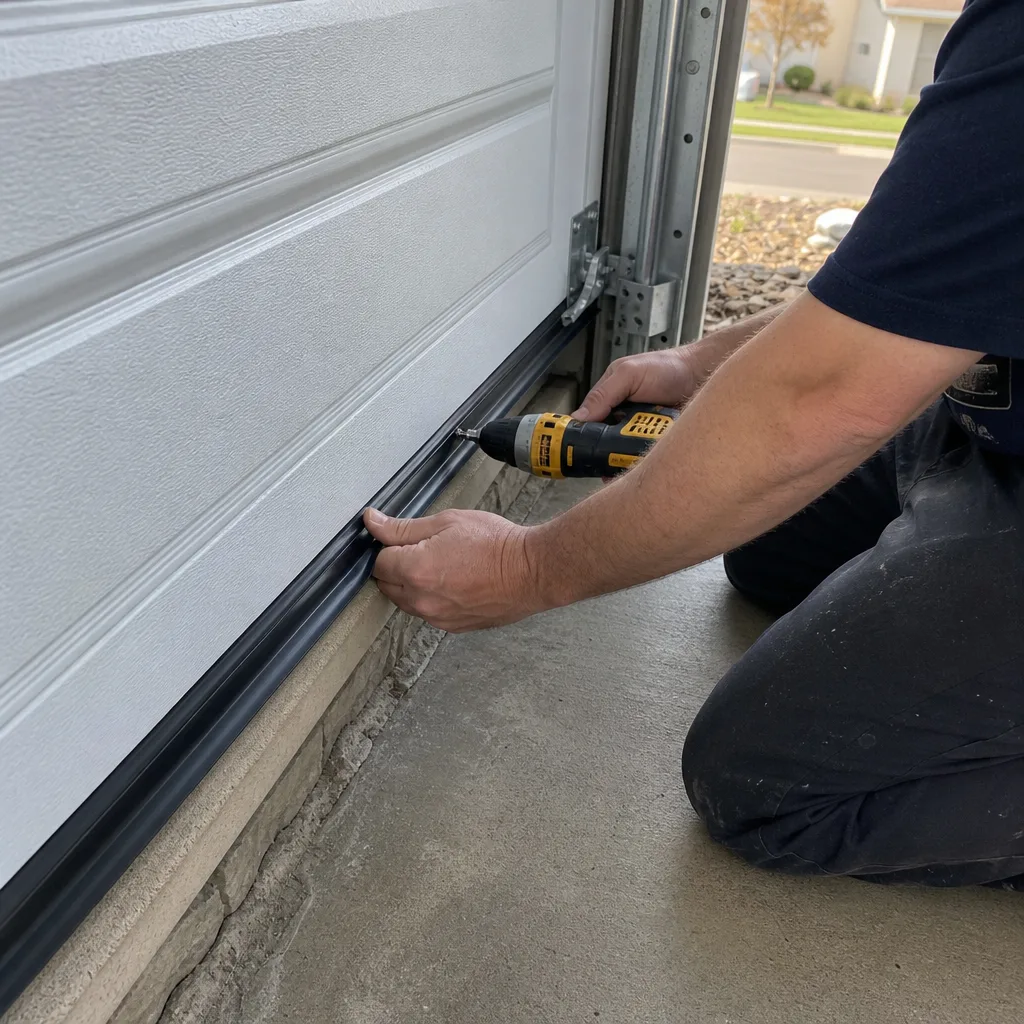
- Inspect and replace the bottom seal if it’s cracked, compressed, or torn. This is the seal that keeps snow and cold air out. It’s cheap to replace and expensive to ignore.
- Check the balance of the door by hand. Disconnect the opener and lift the door halfway. It should stay put. If it drops or rises on its own, the springs are out of balance and need professional attention before winter.
- Tighten all hinge and bracket bolts. Cold contraction loosens fasteners. A five-minute pass with a socket wrench in October prevents a rattling, misaligned door in January.
- Test the auto-reverse and photo-eye safety systems. These are non-negotiable and should be tested monthly, but do a thorough one before winter.
- Clear the tracks of debris and check for bends. A track that’s slightly out of alignment in fall becomes a door that binds in the cold.
Six tasks. Most of them take minutes. Together they represent the difference between a door that opens smoothly on the coldest morning of the year and one that doesn’t. If you want a second set of eyes on any of it, we offer a free estimate for garage door repair and can tell you exactly where your door stands before the cold sets in.
Which Lubricants Survive a Minnesota Winter (and Which Make Things Worse)
This is where most homeowners get it wrong, and it’s not their fault. The products sold at hardware stores are labeled “garage door lubricant” and priced attractively, but many of them are formulated for mild climates and turn to gel or wax below about 0°F. When that happens, they don’t just stop lubricating. They attract grit, gum up the rollers, and create more friction than a dry hinge would have.
What to use
- Synthetic silicone or PTFE-based lubricants rated for low-temperature performance. These stay fluid below -20°F and don’t attract dust the way grease does.
- Lithium grease in small amounts on hinges and bearing plates if it’s a low-temp formulation. Read the can. If it doesn’t state a low-temperature rating, assume it’s not suitable for a Coon Rapids winter.
- White lithium spray on the torsion shaft bearings – again, only low-temp rated.
What to avoid
- Petroleum-based grease and heavy gear oil. Thickens dramatically in cold and turns rollers into dragging wheels.
- WD-40 as a lubricant. It’s a water displacer, not a lubricant. It works as a short-term fix and then evaporates, leaving the joint drier than before.
- Anything labeled “all-purpose” or without a temperature rating. In a Coon Rapids garage in February, unrated products are a gamble.
One practical note: apply lubricant when the door is at room-ish temperature if you can, meaning fall rather than deep winter. A cold lubricant applied to a cold joint doesn’t penetrate. The same product applied in October works its way into the hinge pin and stays there. This is exactly why the fall checklist comes first in the sequence.
How to Test Spring Tension Safely Without Tools
We need to be direct here: do not touch, adjust, or attempt to repair garage door springs yourself. Torsion springs are under enormous tension and can cause serious injury or death if handled incorrectly. This is the highest-risk component on the entire door, and it’s the reason garage door spring repair is a specialty rather than a general handyman task. Our technicians have up to 14 years of experience precisely because this work demands it.
What you can safely do is observe. Spring problems telegraph themselves long before they fail, and a homeowner paying attention will usually catch the signs. Here’s what to look for, without tools and without touching the hardware:
Visual indicators
- A visible gap in the spring coil. If you can see a separation in the winding, the spring has broken. Stop using the door and call for service.
- Rust or discoloration on the coils. Surface rust is common, but heavy rust or pitting suggests the spring is nearing the end of its life.
- The door hanging crooked or opening unevenly. One spring has likely weakened or failed while the other is carrying the load.
- A visible sag in the door panel when the door is halfway up.
Tactile indicators (safely, without touching springs)
- Disconnect the opener using the manual release cord.
- Lift the door by hand to about halfway and let go.
- If the door stays in place, the springs are balanced. If it drops, the springs are weak. If it rises on its own, they’re too tight.
- Listen for a scraping or grinding sound as you lift – that’s a sign of worn rollers or a misaligned track, not necessarily springs.
That’s the limit of safe DIY spring testing. Anything beyond observation needs a trained technician. In our experience, spring failures in Coon Rapids cluster at the two ends of winter – the first hard freeze and the first warm week of March – because that’s when the metal is under the most stress from temperature change.
Bottom Seal Inspection: Three Kinds of Damage, Three Different Fixes
The bottom seal is the rubber strip along the bottom edge of your door, and it’s the most commonly neglected part of the system. In Coon Rapids, it takes a beating from cold, UV, and constant compression against the concrete. Not all seal damage is the same, and treating it as one problem leads to the wrong fix.
1. Ozone cracking
Ozone damage shows up as small, shallow cracks across the surface of the rubber, often in a pattern that looks like dried mud. It’s caused by atmospheric ozone reacting with the rubber over time, and it’s accelerated in urban and suburban areas. The seal still functions for a while, but it’s weakening. The fix: replace the seal. There’s no effective treatment for ozone cracking once it’s visible.
2. Compression set
Compression set is when the rubber has been pressed against the concrete so long that it takes a permanent flattened shape and no longer springs back. You’ll see a seal that looks flat and squashed along its length, or one that’s flattened only in certain spots. This is the most common seal problem in cold climates because cold rubber is less resilient. The fix: replacement, ideally with a seal that has better cold-weather resilience. If your door is a Craftsman or LiftMaster model with a standard bulb seal, this is a straightforward swap.
3. UV damage
UV damage shows as a chalky, faded, or brittle surface, often with cracking that goes deeper than ozone cracks. It’s more common on doors that face south or west and get direct sun. The rubber has lost its elasticity at the surface and will crack through in cold weather. The fix: replacement. Same recommendation.
In all three cases, the practical result is the same: replace the seal. The difference is knowing why it failed, because that tells you whether to expect the replacement to last or whether something else (like a bad door-to-floor gap) is accelerating wear. If you’re unsure what you’re looking at, any of our Coon Rapids Garage Door Repair technicians can identify the cause in a few minutes.
The Monthly 60-Second Safety Check vs. the Annual Professional Inspection
These two get conflated constantly, and that conflation leaves gaps. They catch different things.
The monthly safety check is a quick pass that any homeowner can do in under a minute. It catches things that change fast:
- Photo-eye test: With the door open, wave an object in front of the safety sensors. The door should reverse or stop. If it doesn’t, the sensors are misaligned, dirty, or failed.
- Auto-reverse test: Place a small object (a 2×4 is traditional) under the closing door. The door should reverse on contact. If it presses down, the force setting is too high.
- Visual scan: Anything hanging, cracked, loose, or obviously out of place.
The annual professional inspection is different. A trained technician checks things you can’t see or safely assess – spring wear and estimated remaining life, roller bearing condition, track alignment, opener gear wear, and the overall balance of the system. We recommend it in fall, right before the freeze. That timing means any issues are caught before the cold stresses them further.
What falls through the gap if you skip one or the other: skip the monthly check and a slow photo-eye drift can leave you with a door that closes on a pet or a child. Skip the annual and a weakening spring, a worn cable, or a failing opener capacitor goes undetected until it fails. Both matter. Neither replaces the other.
The Spring Thaw Checklist: What Winter Leaves Behind
Spring thaw is the second most important maintenance window of the year in Coon Rapids. Winter stresses everything on the door, and the thaw reveals what happened. This is a different list from fall because the failures are different.
- Re-lubricate all contact points. Fall lubricant has degraded through winter. Re-apply with a low-temp synthetic.
- Check for rust and corrosion on tracks, hinges, and springs. Salt and moisture from snowmelt accelerates rust. Clean and treat any spots you find before summer.
- Inspect the bottom seal again. Winter compression and cold may have deformed it further. A seal that was fine in October may now have compression set.
- Test the door balance again. Springs weaken over winter. A door that was balanced in October may now be out of balance.
- Check panel alignment and door straightness. The freeze-thaw cycle can shift the concrete pad or the frame, causing panels to misalign.
- Test the opener’s force and travel limits. Cold weather can throw these off. Check the auto-reverse again and adjust if needed.
A spring-thaw inspection catches things that fall maintenance couldn’t, because it’s looking at the results of a winter’s worth of stress rather than preventing it. The two windows work together. If you can only do one, do the fall checklist – prevention beats reaction. But doing both is how you get the longest life out of the door.
Mid-Summer Maintenance: The Season Everyone Skips
Summer is when most homeowners forget the garage door exists. It works, it’s not cold, nothing’s grinding. And that’s exactly why mid-summer is worth ten minutes.
Summer maintenance is about preventing the failures that winter will otherwise expose. Heat and humidity affect different parts than cold does:
- Lubricant performance. High heat can cause some greases to thin, run, or drip onto the door panels. Check contact points for signs the lubricant has degraded or migrated.
- Wood components (if your door has them). Heat and humidity cause wood to swell, which can bind the frame or the door panels. This is particularly relevant on older wood doors and some Wayne Dalton models with wood framing.
- Insects and debris. Summer is when insects nest in tracks and hinges. A quick clean-out prevents binding later.
- Photo-eye and remote function. Test the safety systems again. Heat can affect sensor behavior.
- Door-to-floor gap. Check the gap between the door and floor for daylight. Summer is a good time to fix seal and gap issues so they’re resolved before cold sets in.
Ten minutes in July saves a repair call in January. That’s the argument for mid-summer maintenance, and in our experience it’s the checklist window most homeowners skip. Skipping it is exactly why the first hard freeze produces so many service calls across Coon Rapids each year.
Common Mistakes to Avoid
- Lubricating in winter instead of fall. Cold lubricant doesn’t penetrate cold joints, and applying it after parts have seized is treating the symptom, not preventing the cause. Do it in October.
- Using an unrated all-purpose lubricant. If the product doesn’t state a low-temperature rating, it’s not suitable for a Coon Rapids winter. Buy a synthetic rated below -20°F.
- Testing or adjusting springs yourself. The most common serious garage door injury in cold climates involves torsion springs. Observe, don’t touch. Call a technician.
- Ignoring the bottom seal. It’s the cheapest part on the door and the one that matters most for energy loss and cold-air intrusion in Minnesota. Replace it when cracked.
- Treating the monthly check and the annual inspection as interchangeable. They catch different things. Do both.
- Using the manual release without knowing how to re-engage it. If you’re testing balance, make sure you know how to reconnect the opener afterward, or you’ll be stuck with a door that won’t auto-operate.
- Skipping summer. It feels unnecessary when the door is working. It’s the season that prevents winter breakdowns.
See the difference
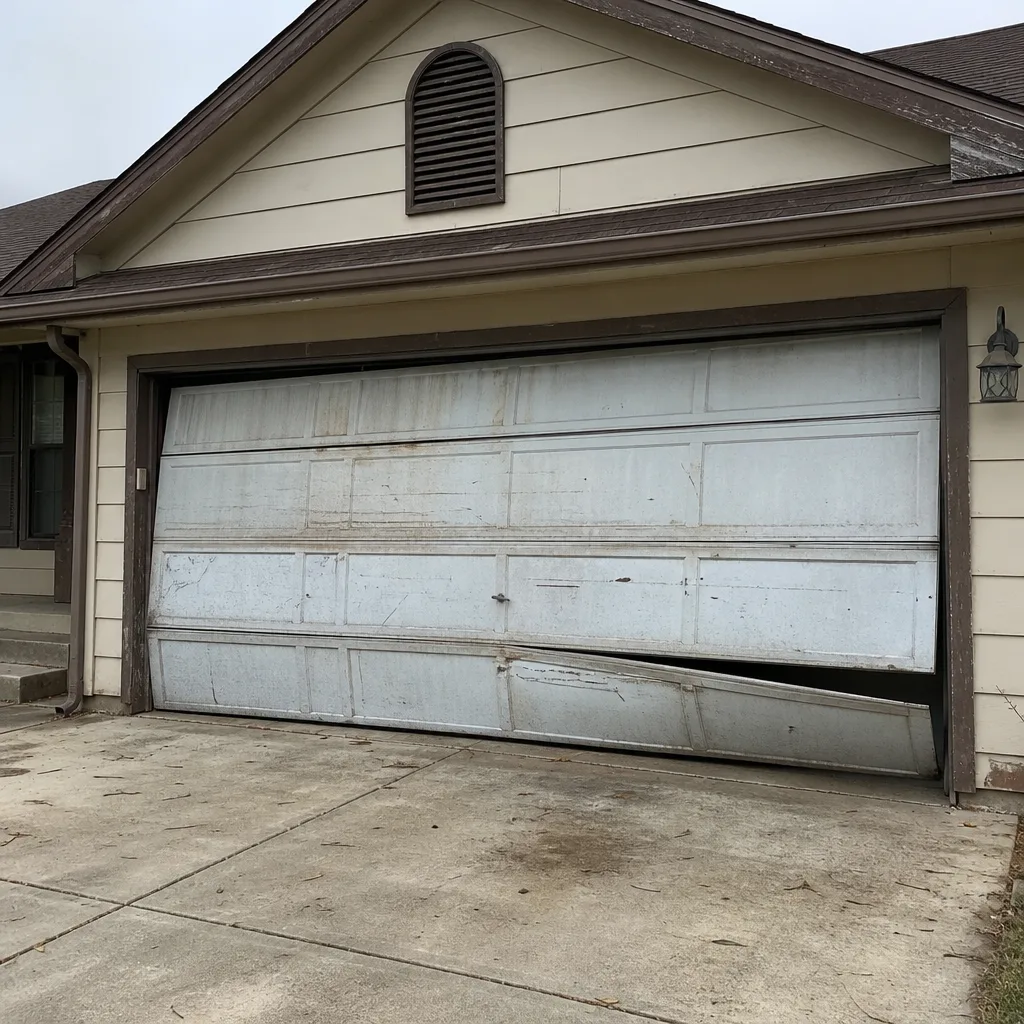 Before
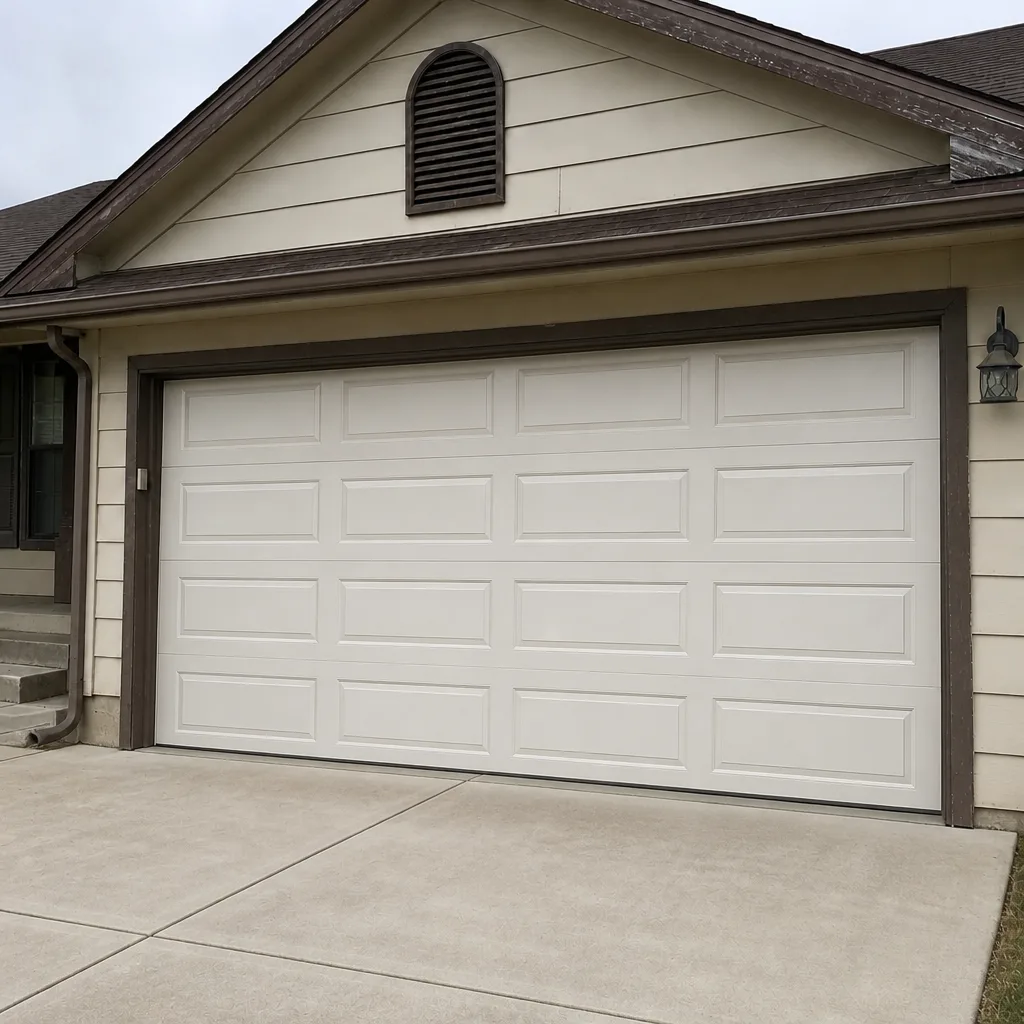 After
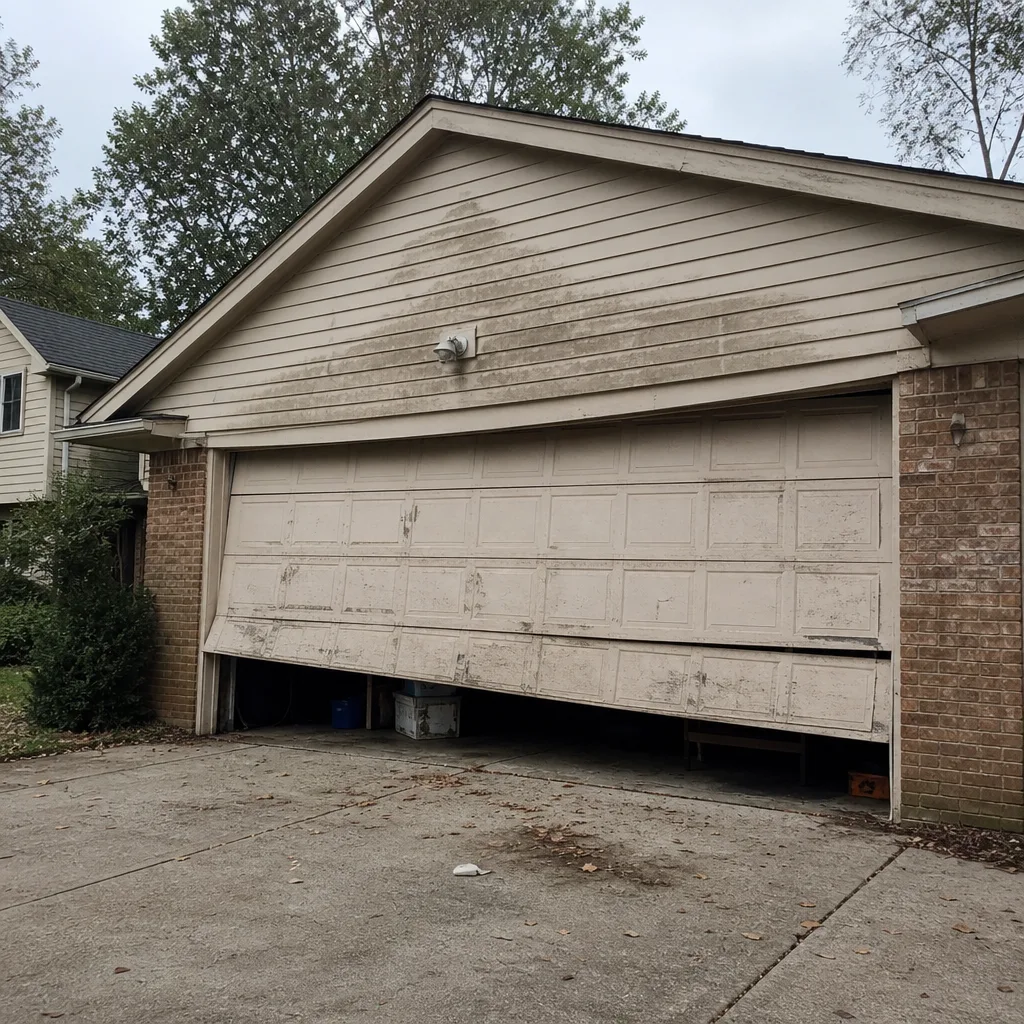 Before
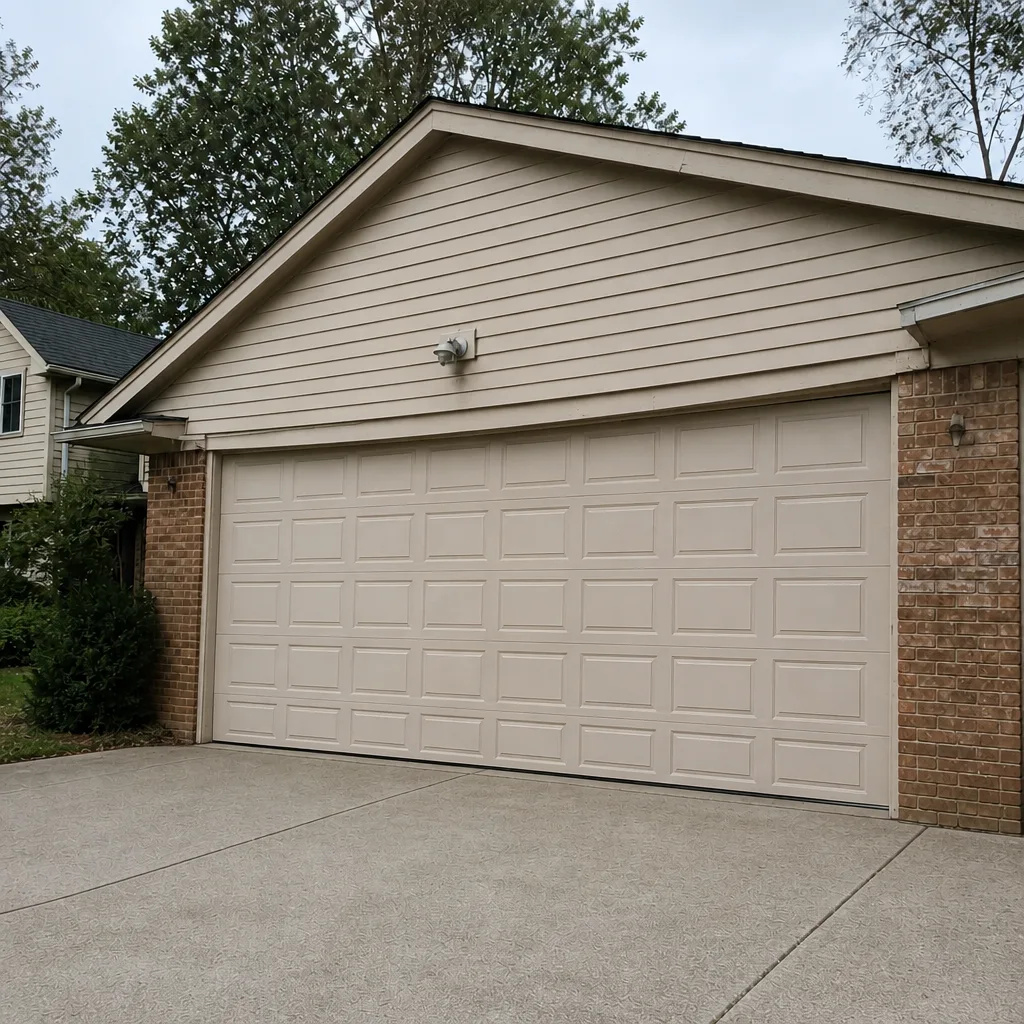 After
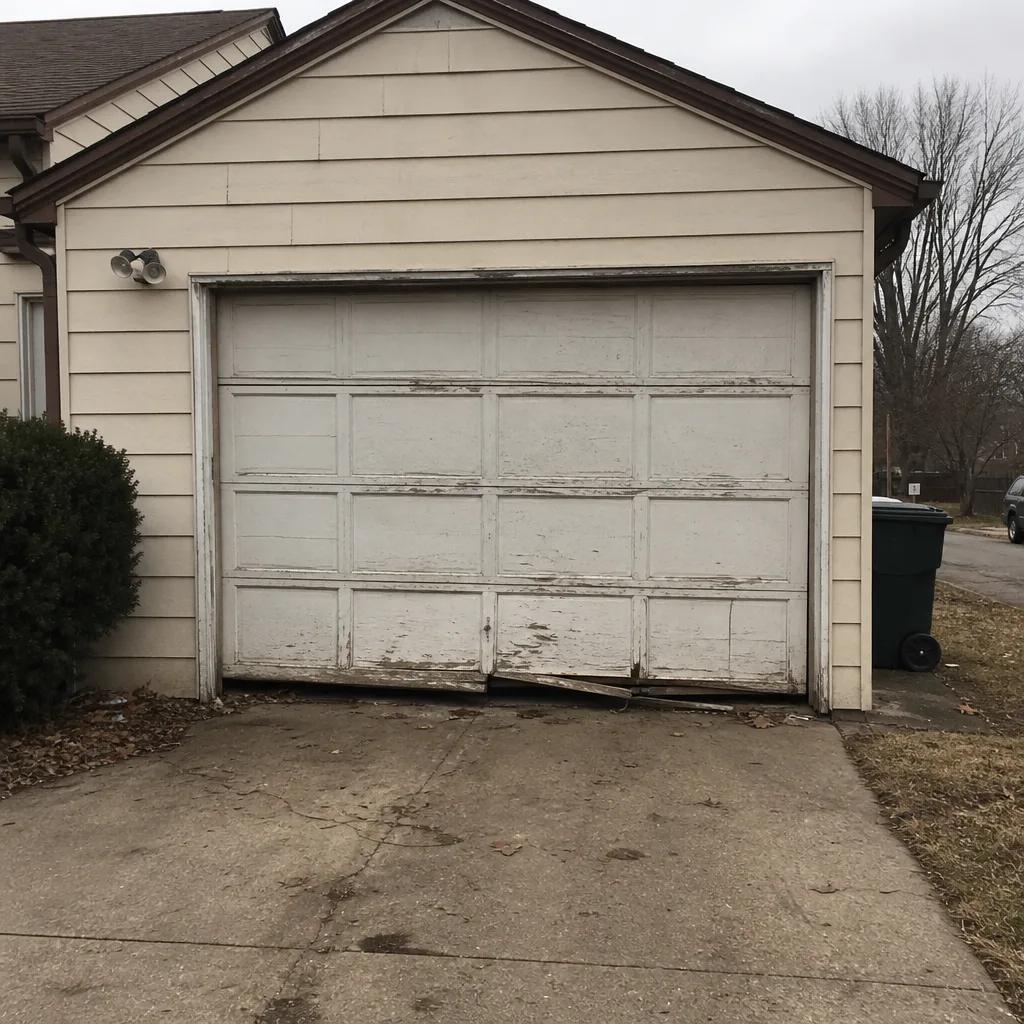 Before
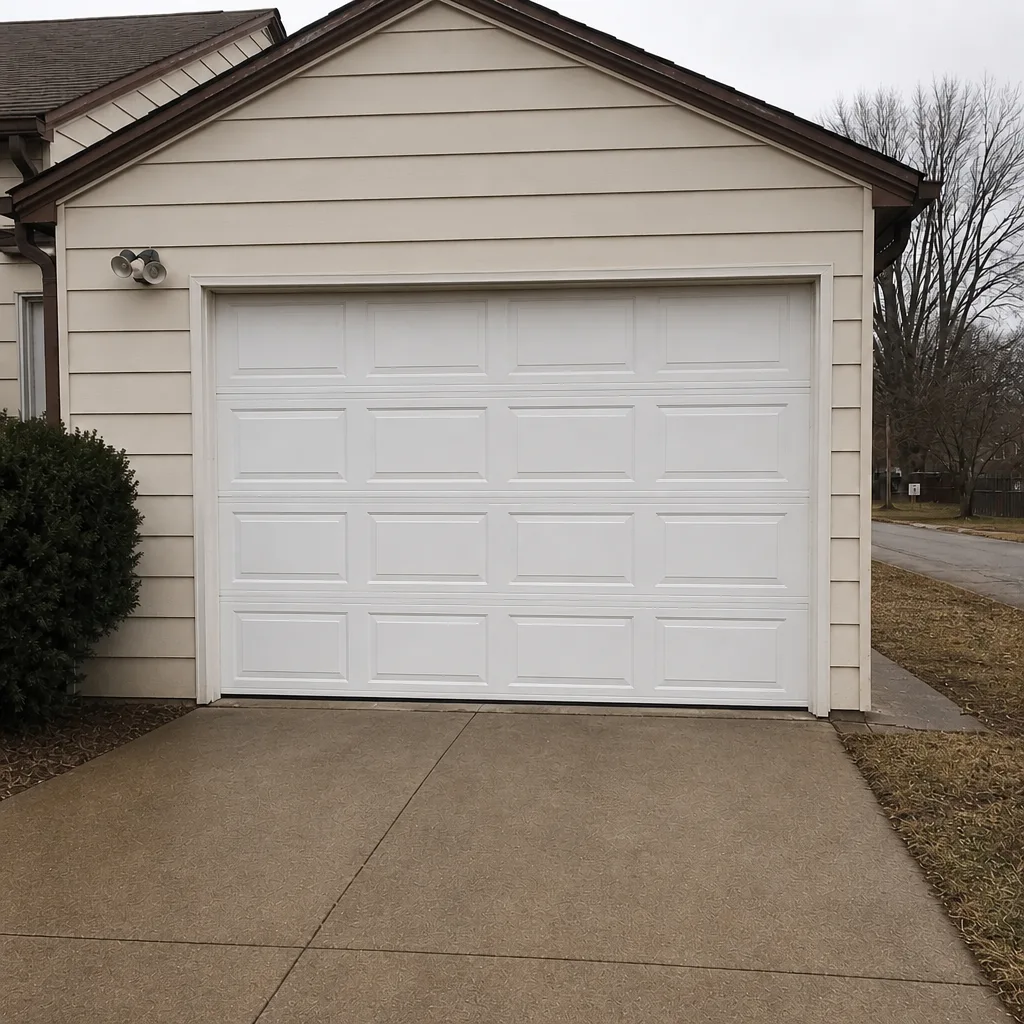 After
When to Call a Professional
Some things are a homeowner’s job – lubricating, cleaning, replacing the bottom seal, and running the monthly safety check. Others need a trained technician:
- A broken torsion spring or a visible gap in the coil
- A door that jumps or hangs crooked
- A snapped cable
- An opener that won’t reverse or responds erratically
- A door that won’t open or close at all (this is an emergency call)
- Tracks that are bent or out of alignment
For opener issues, we handle garage door opener repair across all major brands including LiftMaster, Chamberlain, Genie, and Craftsman. For urgent failures, we offer same-day and emergency service – a stuck door or a broken spring with a car trapped inside gets dispatched quickly. Coon Rapids Garage Door Repair offers free estimates in Coon Rapids – call (833) 509-5386. We answer 24/7. Fast dispatch, 7am-7pm.
Frequently Asked Questions
A garage door in Coon Rapids should get three maintenance windows per year: a thorough pre-freeze checklist in late September or early October, a spring thaw inspection in March, and a light mid-summer check in July. Monthly safety checks (photo-eye and auto-reverse) should be done year-round, and a professional inspection once a year, ideally in fall. The seasonal sequencing matters more than the number of tasks.
A synthetic silicone or PTFE-based lubricant rated for temperatures below -20°F is the best choice for a Coon Rapids garage. These stay fluid in extreme cold and don’t attract grit. Avoid petroleum-based grease and unrated all-purpose products, which gel or thicken below freezing and can make parts bind worse than no lubricant at all. Call (833) 509-5386 for an exact quote on spring or roller replacement – estimates are free.
No. Garage door torsion springs are under extreme tension and can cause serious injury or death if handled incorrectly. Even experienced homeowners should not attempt spring replacement. Visual inspection and balance testing (by hand, with the opener disconnected) are safe. Replacement requires a trained technician with proper tools. If you suspect a spring problem, call (833) 509-5386 – estimates are free.
Your bottom seal needs replacing if you see any of three types of damage: ozone cracking (small surface cracks), compression set (a flattened, squashed profile that no longer springs back), or UV damage (a chalky, brittle, faded surface). All three are common in Coon Rapids because of the cold and sun exposure. Replacing the seal is inexpensive and prevents cold-air intrusion and snowmelt under the door.
Yes. We offer same-day and emergency garage door service in Coon Rapids for stuck doors, broken springs, and failed openers. Call (833) 509-5386. We answer 24/7, with fast dispatch from 7am to 7pm, Sunday through Friday. A call outside those dispatch hours is booked into the next opening.
We work on the major residential brands including LiftMaster, Chamberlain, Genie, Clopay, Amarr, Wayne Dalton, Craftsman, and Raynor. Whether your door needs a spring, an opener, a seal, or a full replacement, one call covers it. Call (833) 509-5386 for a free estimate.
The Bottom Line
Garage door maintenance in Coon Rapids isn’t a single checklist done once. It’s a sequence, timed to the seasons. Lubricate with the right product before the first freeze. Check the bottom seal for the three specific kinds of damage. Test the springs visually and tactilely, but never touch them. Run the monthly safety check and book the annual inspection – they catch different things. And don’t skip summer, because it’s the season that prevents winter breakdowns. Follow the sequence and your door will handle February the way it’s supposed to. Skip it, and you’ll join the long list of Coon Rapids homeowners calling us on the coldest morning of the year.
Written by the team at Coon Rapids Garage Door Repair.