
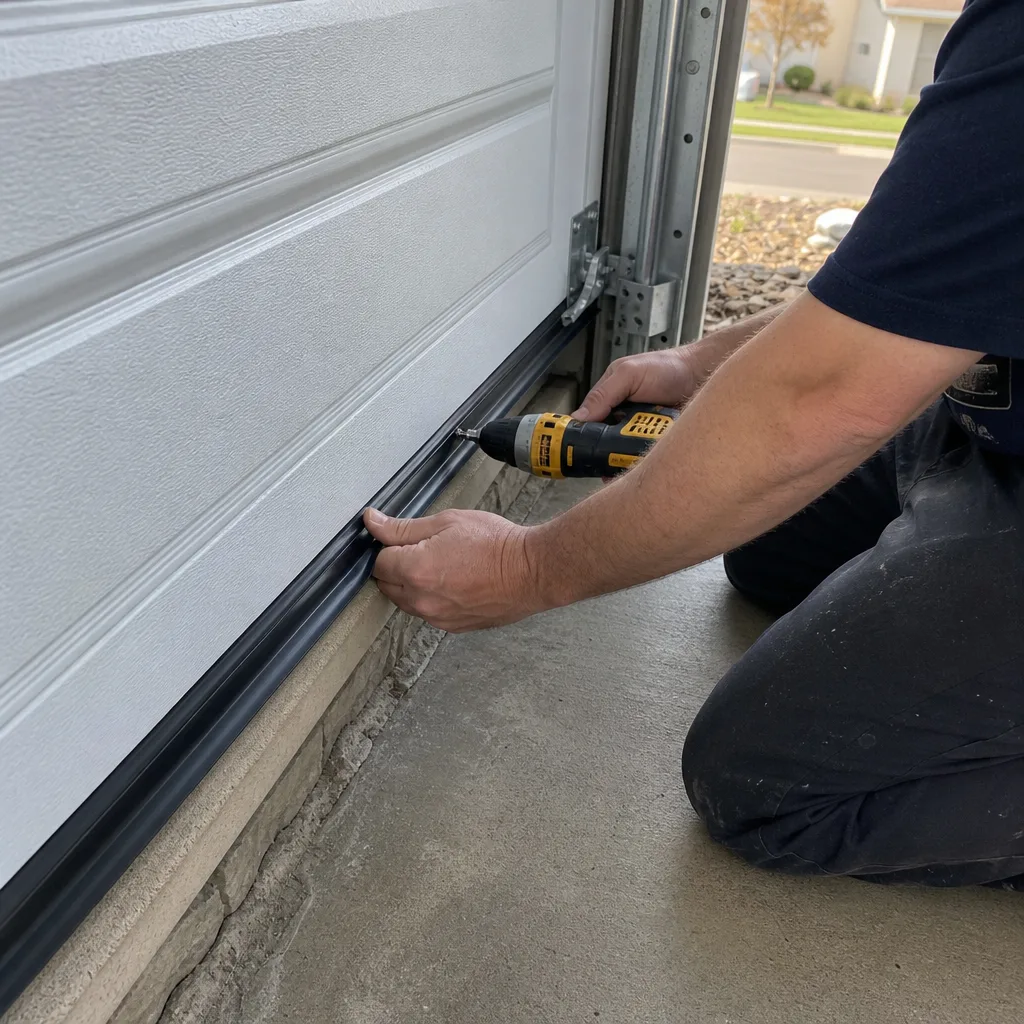
Last updated November 22, 2026
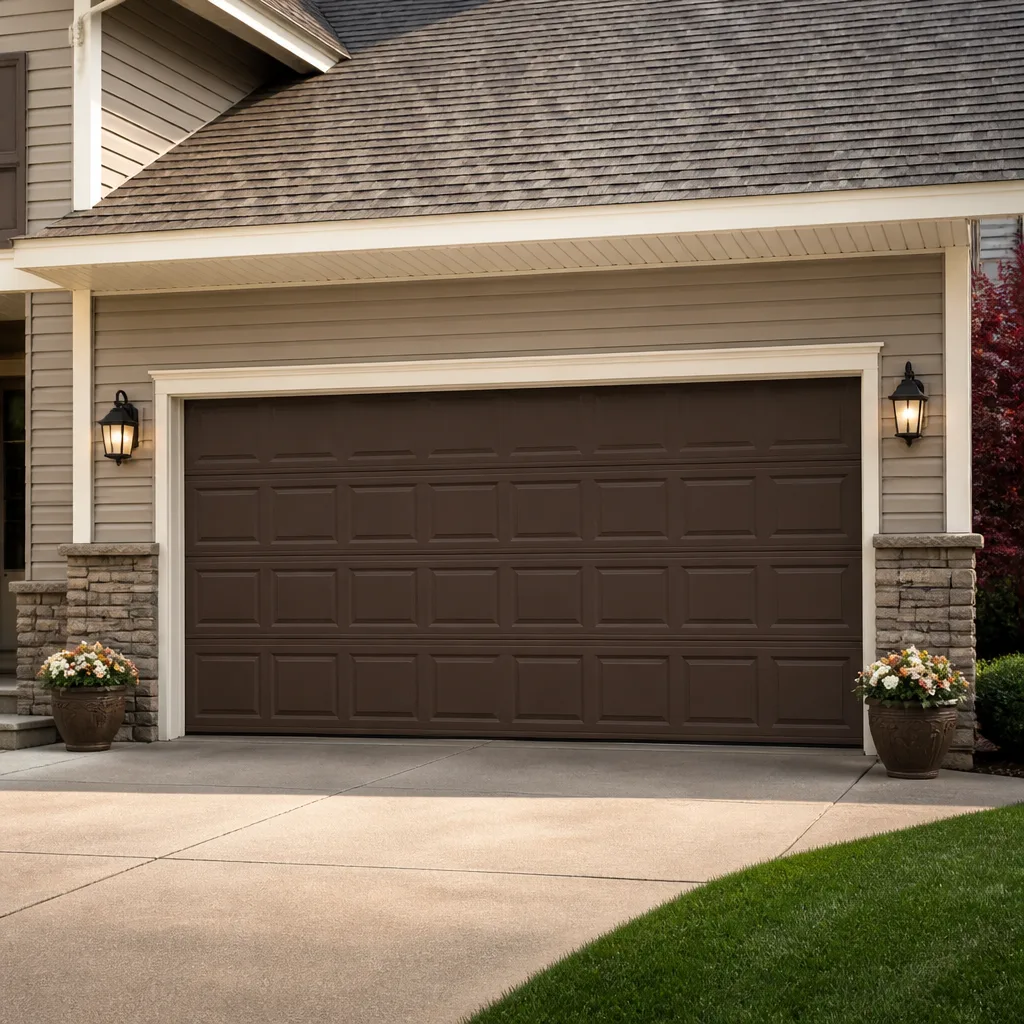 Raised-panel steel
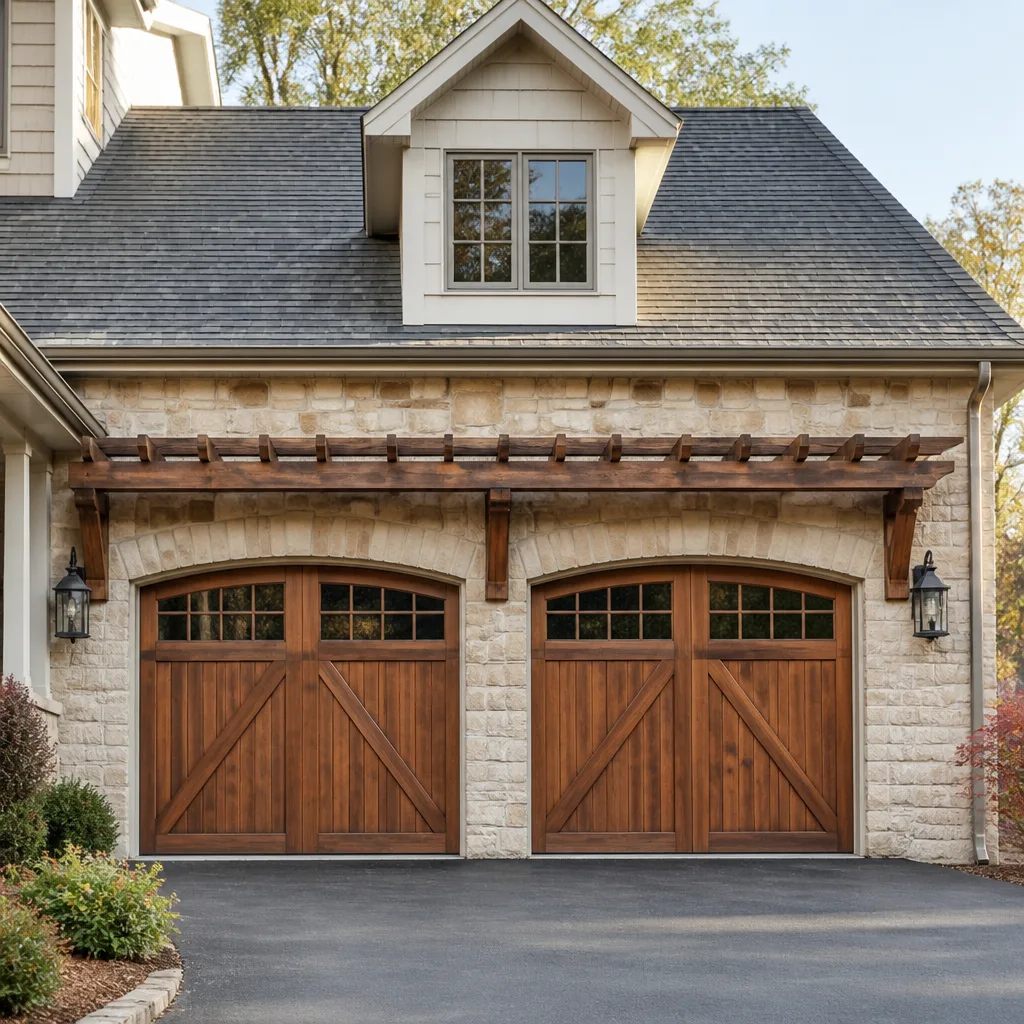 Carriage house
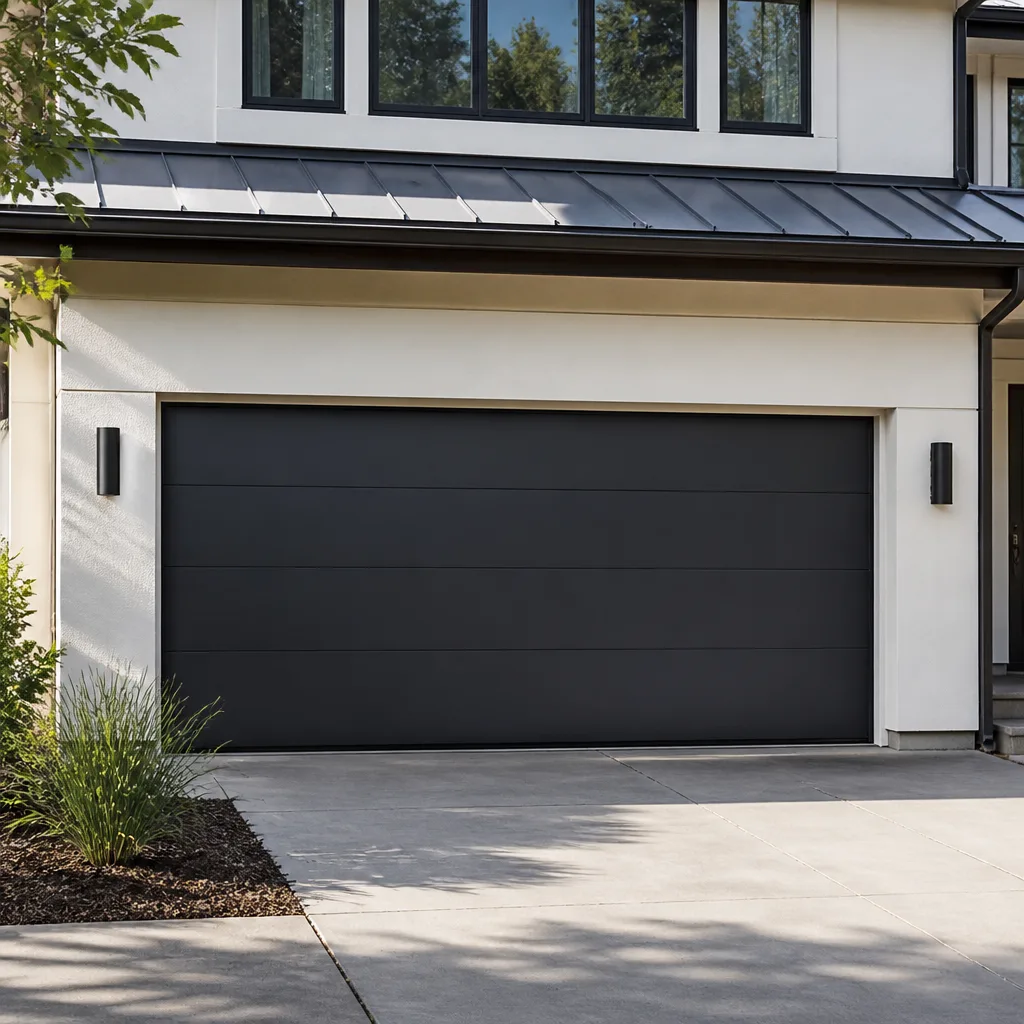 Modern flush
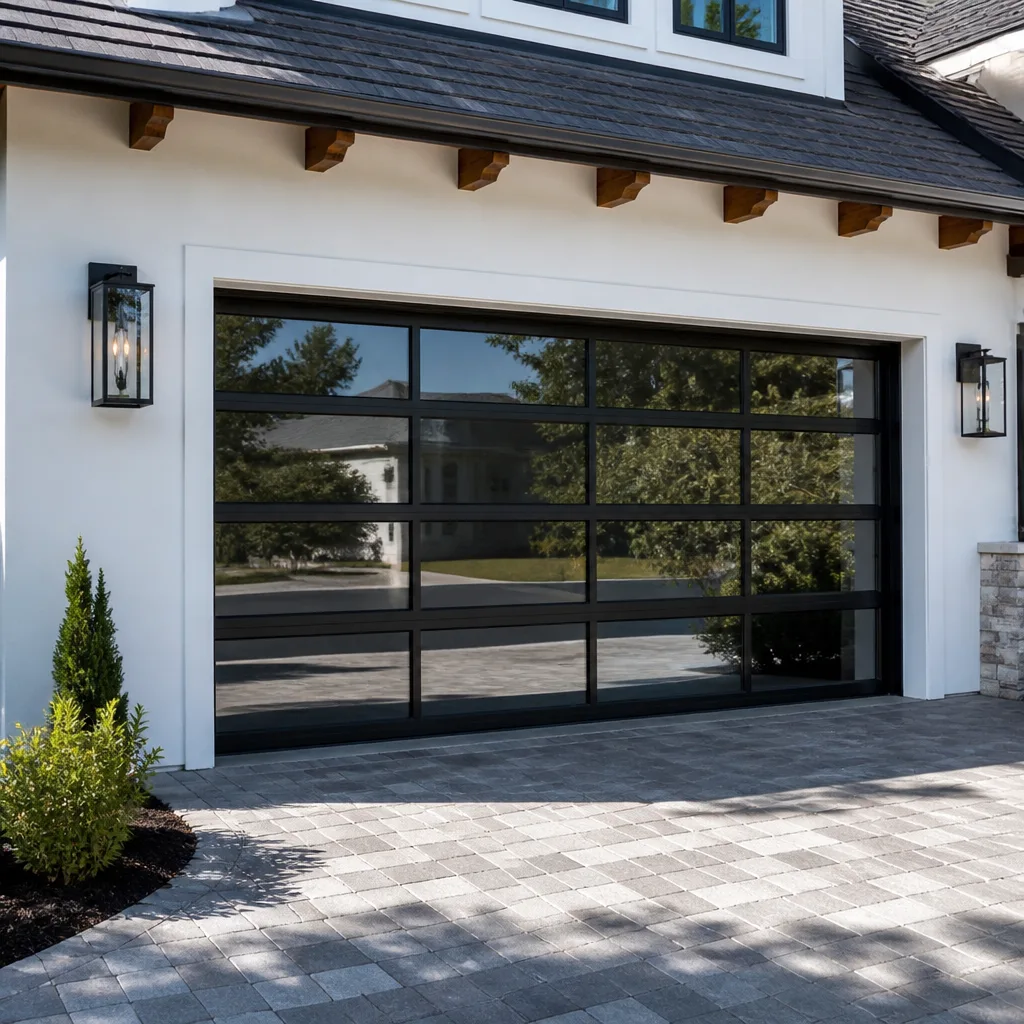 Full-view glass
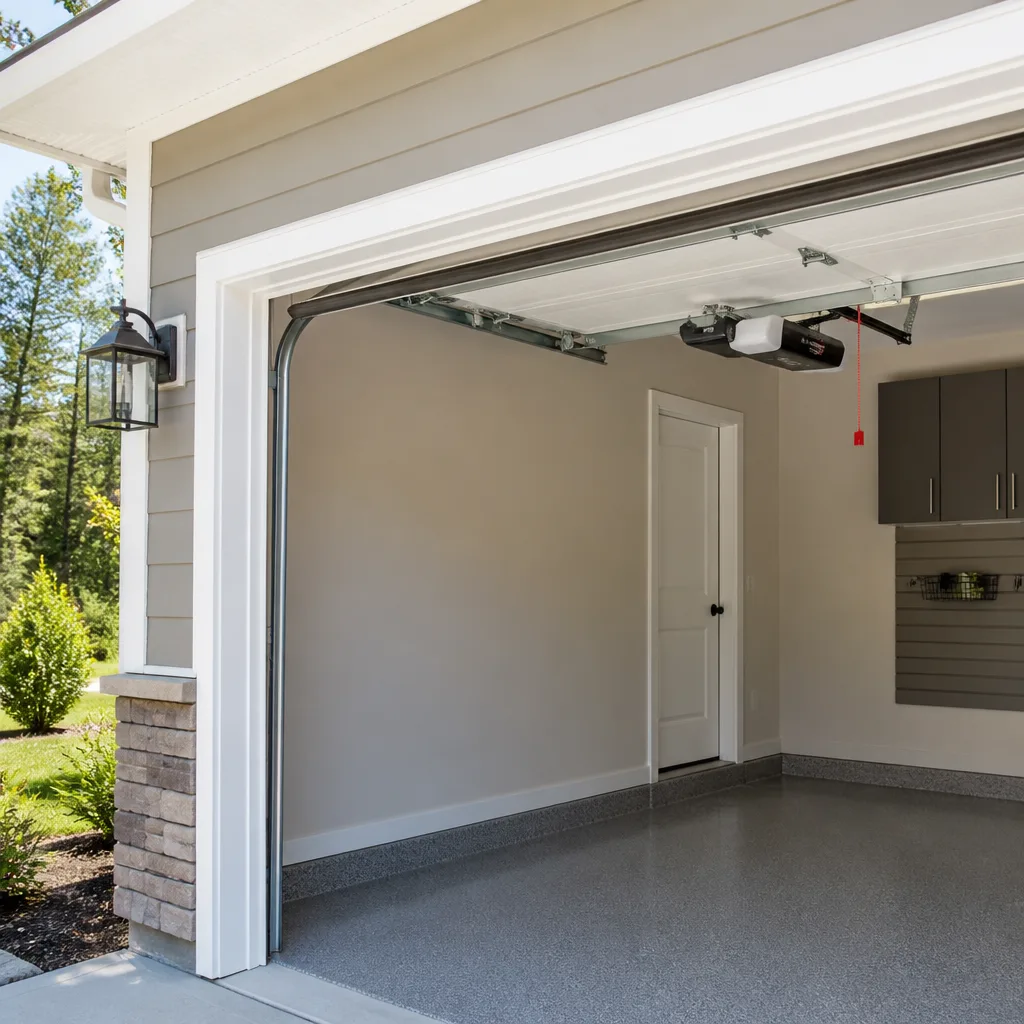 LiftMaster openers
 Chamberlain openers
Full 25-point door and opener safety check with every visit - springs, cables, rollers, tracks, and your LiftMaster or Chamberlain opener included
You get a price before we start. It does not change when the pro arrives.
Get your free estimateSeasonal Garage Door Care for Coon Rapids: Year-Round Homeowner’s Guide
A garage door that runs perfectly in September can be completely non-functional by January. Not because anything broke, but because nothing was done to prepare it for a 60-below windchill. That’s the part most homeowners miss: the gap between “working” and “winterized” is about two hours of work in October. In Coon Rapids, where the freeze-thaw cycle runs deep and long, that October afternoon decides whether your door coasts through to spring or hands you a service call in the middle of a cold snap. This guide maps each season’s specific threat to your door, from freeze expansion to UV stress, with concrete tasks tied to each one.
Quick Answer
Seasonal garage door care in Coon Rapids comes down to four jobs: lubricate and balance the door before the first hard freeze, clear moisture and debris from the tracks and seals in spring, adjust opener sensitivity and watch for heat expansion in summer, and run a full pre-freeze inspection in fall. Do those, and most doors avoid the two failure modes we see most: frozen bottom seals and springs that fail from cold stress.
Styles & brands we work with
- Raised-panel steel
- Carriage house
- Modern flush
- Full-view glass
- LiftMaster openers
- Chamberlain openers
Table of Contents
- Fall Prep: Why October Decides Your Winter
- Winter Failure Modes in Coon Rapids
- Spring Inspections: Finding Winter Damage You Can’t See
- Summer Heat, Humidity, and Opener Sensitivity
- Building a 12-Month Maintenance Log
- When to Call a Professional
- Common Mistakes to Avoid
- Frequently Asked Questions
Fall Prep: Why October Decides Your Winter
The fall prep sequence matters because the tasks build on each other. You can’t adjust a door that hasn’t been cleaned, and you can’t judge balance on a door with dry rollers. Here’s the order that determines whether your door survives a Minnesota winter without a service call.
Order matters in Coon Rapids because the first freeze can arrive fast. Once temperatures drop and stay below freezing, lubricants thicken and any grit in the tracks has already bonded to the metal. Here’s the sequence we recommend, done from top to bottom:
- Wash the tracks and seals. Wipe the vertical and horizontal tracks with a damp cloth to clear summer dust and grit before it freezes in place. Clean the bottom seal with a mild soap solution and let it dry fully.
- Lubricate moving parts. Apply a garage-door-specific lubricant, not WD-40, to hinges, rollers, and the torsion spring (if accessible safely). This keeps the door from binding when cold thickens grease.
- Check the balance. Disconnect the opener and lift the door halfway. It should hold there without drifting. A door that falls means the springs are tired and winter will finish them off.
- Test the safety reverse. Place a 2×4 flat in the door’s path and close it. The door should reverse on contact. Then test the photo-eye sensors by waving an object between them; the door should reverse too. This function is critical in winter when snow buildup can trigger a false trip.
- Inspect weatherstripping. Look at the bottom seal and the perimeter weatherstripping around the frame. Cracked or flattened seals leak cold air and let snow and ice work their way in.
- Lubricate the opener chain or belt. A dry chain is noisy and strains the motor in cold weather. A belt drive (common on LiftMaster and Chamberlain units) needs less attention but should still be checked for tension.
That whole sequence takes about two hours for most doors. Do it before the first hard freeze and you’ve addressed the root causes of nearly every winter failure we’re called out for in Coon Rapids. If you’d rather leave the spring checks and the balance test to a trained eye, our garage door repair team can run through the full pre-winter checklist and flag anything that’s about to give.
Winter Failure Modes in Coon Rapids
Winter doesn’t break doors by accident. It attacks specific components in specific ways. Understanding why they fail is what lets you prevent the failures instead of just reacting to them.
Doors Freezing to the Ground
The bottom seal of a garage door is a rubber or vinyl strip that flexes against the floor. When snowmelt runs under the door and refreezes overnight, that seal bonds to the concrete. The opener then tries to lift a door that’s essentially glued shut, and the force has to go somewhere. Sometimes the seal tears. Sometimes the opener arm bends or strips. Sometimes the spring absorbs the shock and fails weeks later.
To prevent it: clear snow and ice from the threshold area after every storm, keep the bottom seal pliable by cleaning and treating it in fall, and check for uneven floor contact that leaves a gap where water can collect. If your door has frozen, don’t run the opener repeatedly to force it. Free the seal manually with warm water poured along the base, or a de-icer that won’t damage the concrete, then dry the threshold before operating the door.
The Opener Being Overworked Into Failure
Cold thickens every lubricant in the system. If your garage is unheated, as most are in this part of Minnesota, everything runs stiffer in January than it did in October. The opener compensates by drawing more current, which produces more heat in the motor and more wear on the gears. A LiftMaster or Chamberlain unit with a tired spring will fight that load every cycle until something in the gear assembly gives way.
The signs of overwork are subtle: the door sounds louder, the opener runs longer than usual, and you might notice it hesitates or reverses unexpectedly. If your door needs extra help to open in cold weather, that’s your cue to call before the opener gives out too. Our garage door opener repair work in Coon Rapids often catches the problem at the “running loud” stage instead of the “stopped working” stage.
Spring Failure in the Cold
Torsion springs are under enormous tension and they weaken with every cycle. Cold metal is more brittle than warm metal, and a spring that’s near the end of its tolerance often fails on the coldest night of the year. It’s not bad luck; it’s a predictable consequence of accumulated cycles meeting a hard temperature drop. If your spring is making popping noises or the door feels heavier than it used to, don’t wait for it to snap.
Spring replacement is genuinely dangerous work. The tension in a wound torsion spring can cause serious injury if released without the right winding bars and the right procedure. Our technicians handle garage door spring repair as a standalone specialty with proper tools and training; please don’t attempt it as a DIY project.
Spring Inspections: Finding Winter Damage You Can’t See
Spring in Coon Rapids is when the hidden damage shows up. Frost heave, freeze-thaw cycles, and months of cold stress leave marks that aren’t visible from the outside of the door. The annual spring inspection is really a hunt for the damage winter caused silently.
What to Look For
- Cable fraying. The lift cables run alongside the springs and wind around drums at the bottom corners. Look for broken strands, kinks, or rust along the length of each cable. A frayed cable can snap without warning.
- Roller wear. Rollers wear faster in cold weather because lubricant dries out and the plastic or nylon surface develops flat spots. Look for wobble in the roller as the door moves and listen for grinding.
- Track shifts from frost heave. Coon Rapids sits on ground that moves as it freezes and thaws. That movement can push the concrete and, by extension, the door track out of plumb. A track that’s even slightly out of alignment puts lateral stress on the door and causes binding. Run a level along each vertical track and look for visible gaps or bends.
- Panel dents and seal gaps. Winter brings plow spray and ice chunks. Check the bottom panel for dents that might have bent the track, and check the perimeter seal for gaps that will let more water in next season.
- Hinge screws and bolts. Freeze-thaw vibration works screws loose over a winter. Tighten any you can reach safely.
How to Inspect Without Risk
Start with the door closed. Walk around the inside and outside perimeter, looking at the tracks, the seals, and the spring at the top center (from a distance, never touching it). Then disconnect the opener and lift the door by hand to check for balance and movement. If it binds, scrapes, or feels heavier on one side, stop and note where. Don’t force it. Two people make the lift test safer and easier.
Many Coon Rapids homeowners find that just lubricating the spring, rollers, and hinges after a long winter restores smooth operation. A Clopay steel door, for example, runs noticeably smoother once its rollers have been re-lubricated after sitting through a Minnesota winter. If the door is still binding after lubrication, get it looked at before the problem wears out the spring or the opener.
Summer Heat, Humidity, and Opener Sensitivity
Summer in Coon Rapids is brief but humid, and it brings two garage door issues you won’t see in winter.
Heat Expansion in Steel Doors
A dark-painted steel door on a south-facing garage absorbs a lot of direct sun. The steel panels expand slightly when hot and contract when they cool. On a cheaply constructed door, that movement can cause the panels to bow or the sections to bind against each other. A 16-foot-wide Clopay or similar door with a dark finish is especially vulnerable when it faces the sun for hours at a time. If your door starts scraping or sticking on hot afternoons and then runs fine in the cool of morning, that’s expansion. Have the track and hardware checked before it becomes a permanent alignment problem.
Humidity Effects on Wood Composite Doors
Wood composite and wood-look doors absorb moisture from the air. Summer humidity causes the door to swell slightly, while fall dries it back out. Over several seasons, minor swelling can cause the finish to crack and the door’s structure to warp. If you have a wood composite door, check the paint and finish at the start of summer and touch up any areas where moisture has gotten past the surface.
Opener Sensitivity in Hot Weather
Your garage door opener’s sensitivity is often set at the factory and rarely adjusted afterward. The safety reverse system relies on photo-eye sensors and internal force sensing. In summer, when the door is running slightly stiffer due to humidity, a marginal sensitivity setting may trigger false reversals. You can test the balance and reverse function yourself and have the opener settings checked as part of the annual summer tune-up. A Genie or Chamberlain opener with a self-diagnostic feature will often tell you through its light codes if something is off.
Building a 12-Month Maintenance Log
A maintenance log is a small habit that pays off in two specific situations: warranty claims and home resale. If you ever need to make a warranty claim on a door or opener, most manufacturers want to see a record of maintenance. And when you sell your home, a documented maintenance record tells buyers that the garage door and opener have been looked after, not just fixed when they broke.
What to Record
- Date and task. Every time you lubricate, adjust, clean, or test, note the date and what you did. “Lubricated rollers and hinges, cleared tracks, tested safety reverse” is plenty.
- Any repairs. If a technician replaced a spring, cable, or roller, note the date and what was replaced. Keep the written estimate or receipt alongside the log.
- Warranty information. Keep the installation paperwork and warranty documents in one place so you’re not hunting for them when you need them.
- Observations. Note unusual sounds, door noises, or sticking you noticed during the season. This is the raw material for deciding when a repair is due.
A Simple Log Template
You can keep this on paper or in your phone’s notes app. Structure it by season rather than by month, since that’s how a garage door actually fails.
- Fall entry (October): What you prepped, what you tested, any issues noted.
- Winter entry (January): Confirmation the door is running, any cold-related noise or freeze issues.
- Spring entry (April): What the inspection found, what you cleaned or lubricated, whether a technician came out.
- Summer entry (July): Observations about heat-related binding or opener sensitivity.
If you have professional work done, include the written estimate with the log. The estimate gives you the exact date, the exact part, and the exact cost, which makes the record useful if you ever need to prove what was done.
Common Mistakes to Avoid
- Using WD-40 as a garage door lubricant. It’s a solvent, not a lubricant, and it attracts dust that bonds in cold temperatures. Use a purpose-made garage door lubricant instead.
- Ignoring the balance test. A door that doesn’t hold itself open at the halfway point is telling you the springs are weakening. Catch it in fall, not in January when the spring gives out.
- Running the opener to force a frozen door. Every cycle on a frozen door puts more wear on the opener gears and the spring. Free the door first, then operate it.
- Skipping the spring inspection. Coon Rapids winters find every weak spring. If your door is more than a few years old and you haven’t had the spring checked, do it before winter.
- Letting panels stay wet after a storm. In spring, water getting under a damaged perimeter seal can rust the bottom panel from the inside out. A five-minute wipe-down after a wet storm prevents a much bigger repair.
- Adjusting opener sensitivity by trial and error. The opener’s force setting protects the door and anything in its path. If it needs adjusting, have the reasons checked first rather than just turning the dial up.
- Assuming a new door doesn’t need maintenance. A new door needs the same inspection and lubrication routine as an older one, especially in its first year while the hardware beds in.
When to Call a Professional
Most seasonal tasks, like cleaning, lubricating, and testing, are things a careful homeowner can handle. But certain situations call for a trained technician, not a guess.
Call us if spring is making noise or the door feels heavy, if you hear a loud pop from the garage, if the door is visibly out of level or the tracks are bent, if the opener runs but the door doesn’t move, or if anything about the door’s movement concerns you. Those are the signs that the problem is internal to the system and needs a trained diagnosis. Our technicians have up to 14 years of experience, and we work on the major residential brands: LiftMaster, Chamberlain, Genie, Clopay, Amarr, Wayne Dalton, Craftsman, and Raynor. One call covers it, whether the fix is a part or a full new door.
Coon Rapids Garage Door Repair offers free estimates in Coon Rapids. Call (833) 509-5386. We answer 24/7. Fast dispatch from 7am to 7pm, Sunday through Friday.
Frequently Asked Questions
Once a year, ideally in fall before the first hard freeze. The pre-winter inspection catches most of the issues that would otherwise turn into emergency repair calls in January. If your door is getting older or your opener is past its midpoint, a second spring inspection is worth the time.
Snowmelt runs under the bottom seal and refreezes overnight, bonding the seal to the concrete. Clear snow from the threshold after storms, keep the seal clean and pliable, and free any frozen door manually before operating it. Never run the opener to force a frozen door.
No, and we strongly advise against it. A torsion spring is under enormous tension and can cause serious injury if released without the right tools and procedure. This is the single most dangerous garage door repair. Leave it to a trained technician.
Fall. That’s when you have time to correct problems before the first freeze. A door that gets lubricated, balanced, and inspected in October is far less likely to freeze, bind, or snap a spring in January.
It’s common and usually means the steel panels are expanding as they heat up. It can also indicate a track alignment issue that’s only noticeable under heat stress. Have the door checked to rule out a track or hardware problem.
You don’t need one, but it helps. Warranty claims and home resale both go smoother with a documented history of what was done and when. A page in a notebook or a note on your phone is enough.
Yes. We repair doors, openers, and springs, and we handle full new-door installation. If the door needs a part, we fix it; if it needs replacing, we handle that too. Call (833) 509-5386 for a free estimate.
The Bottom Line
Seasonal garage door care in Coon Rapids comes down to timing: prep in October, maintain through winter, inspect in spring, and tune in summer. Two hours of work in fall is what separates a door that coasts through a Minnesota winter from one that hands you a January emergency. Keep a simple log, watch for the four warning signs (balance loss, cold-weather noise, visible track misalignment, and door binding), and leave the spring work to a trained technician. Call (833) 509-5386 for a free estimate. We answer 24/7. Fast dispatch from 7am to 7pm, Sunday through Friday.
Written by the team at Coon Rapids Garage Door Repair.
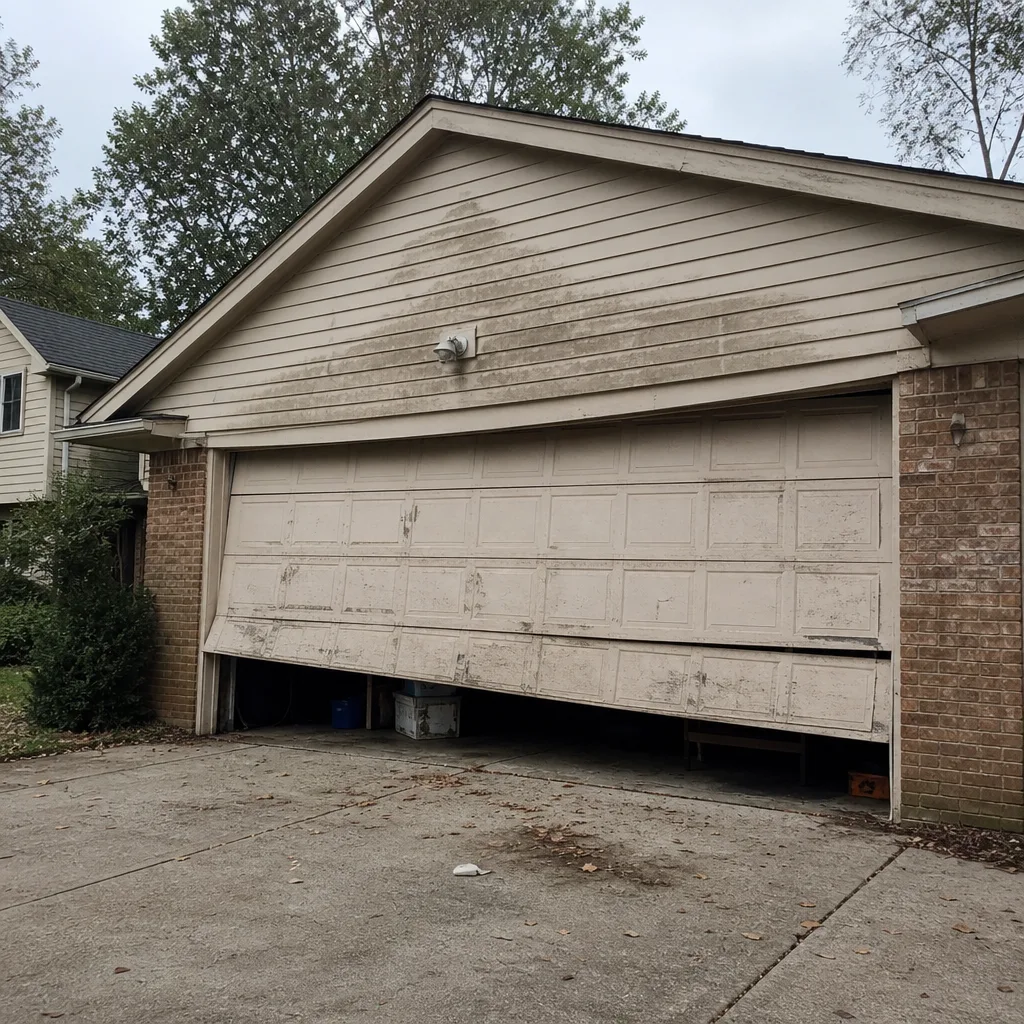
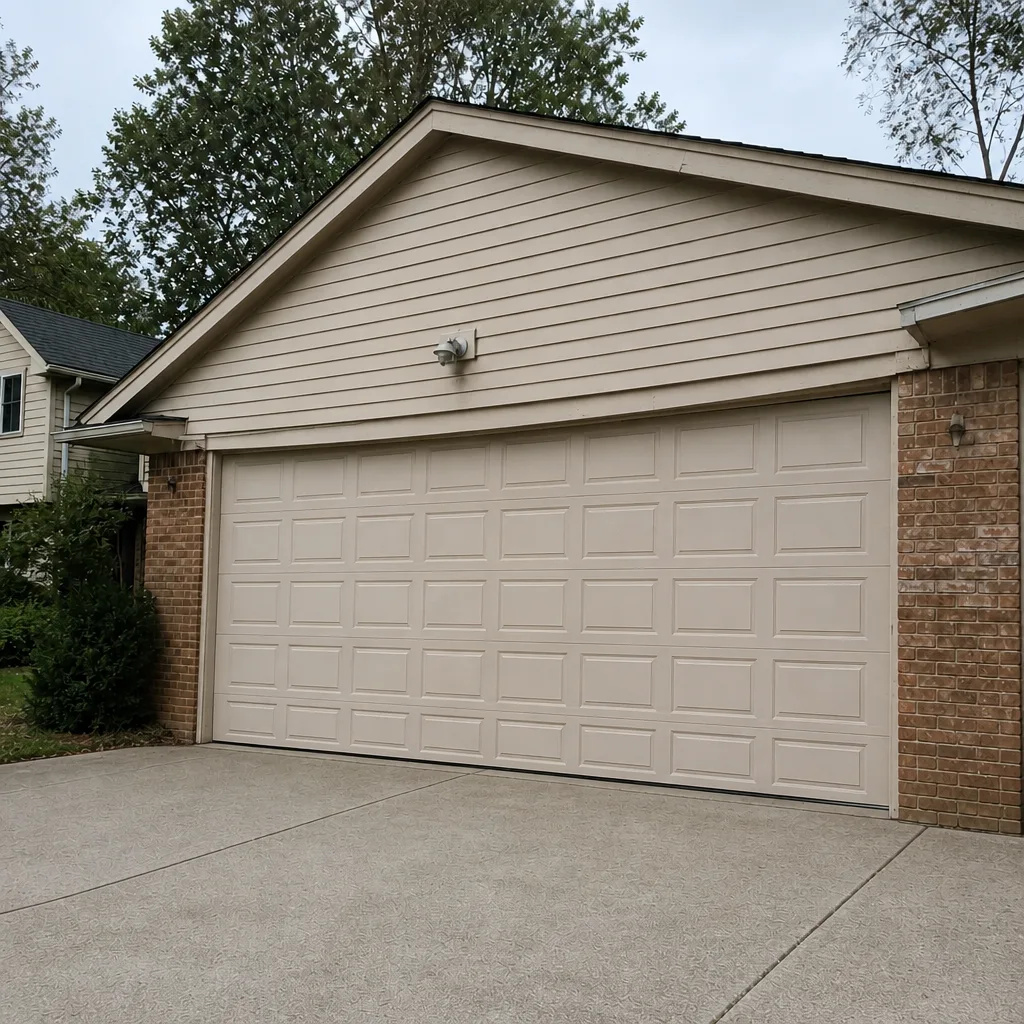
See the difference
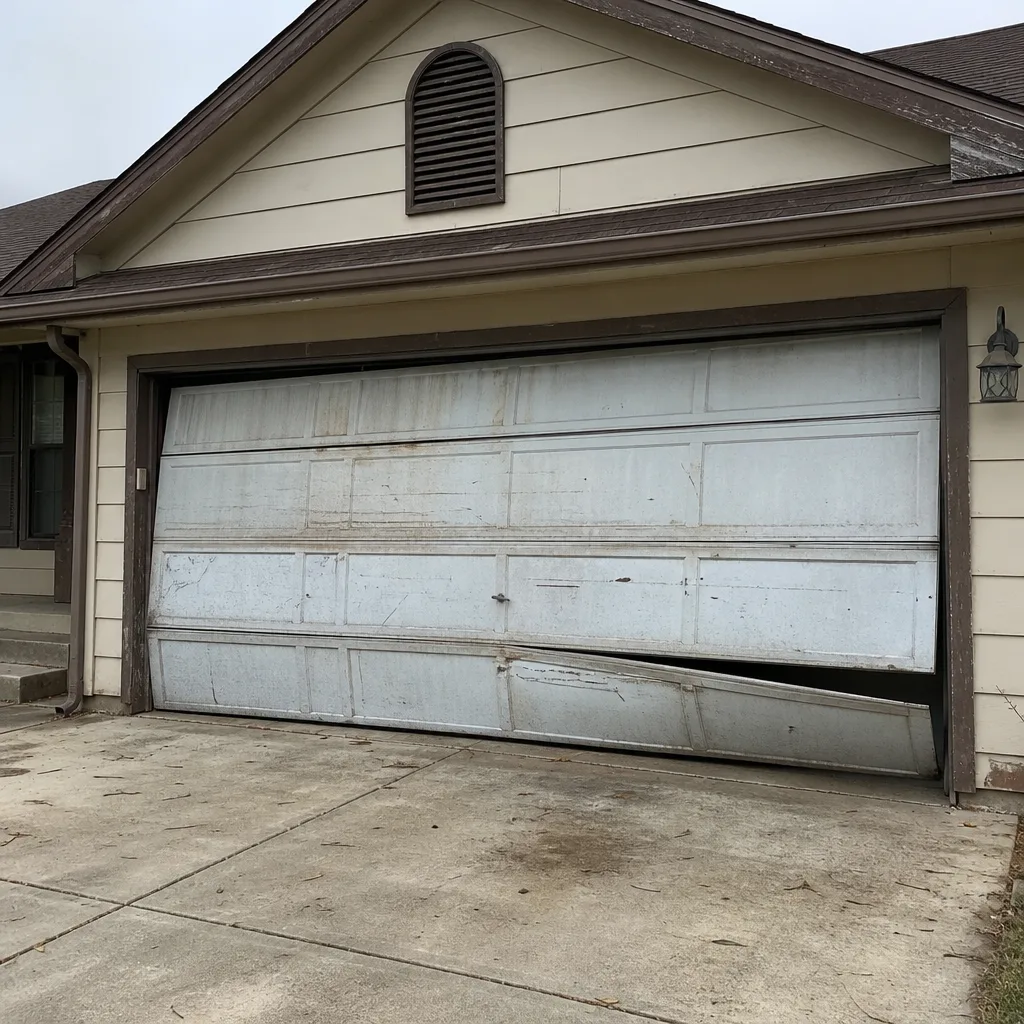 Before
 After
 Before
 After
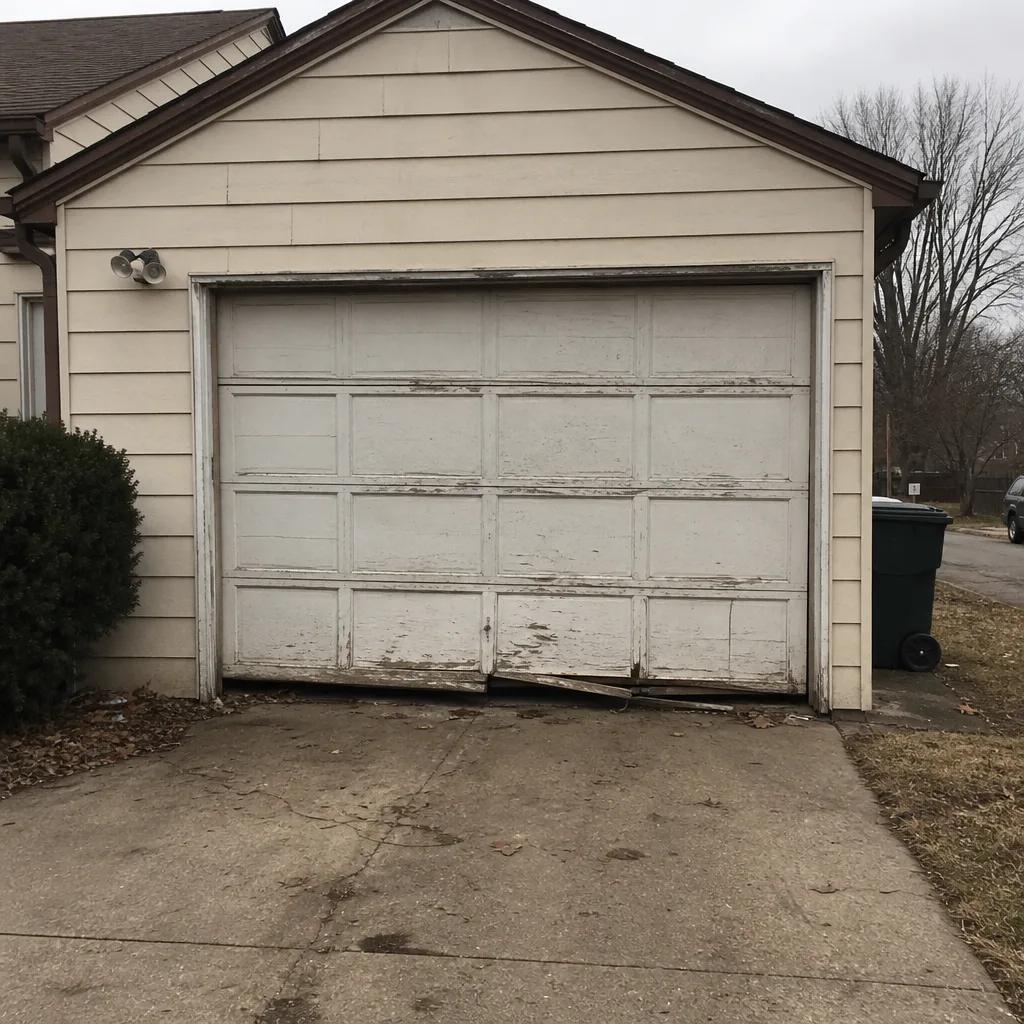 Before
 After