
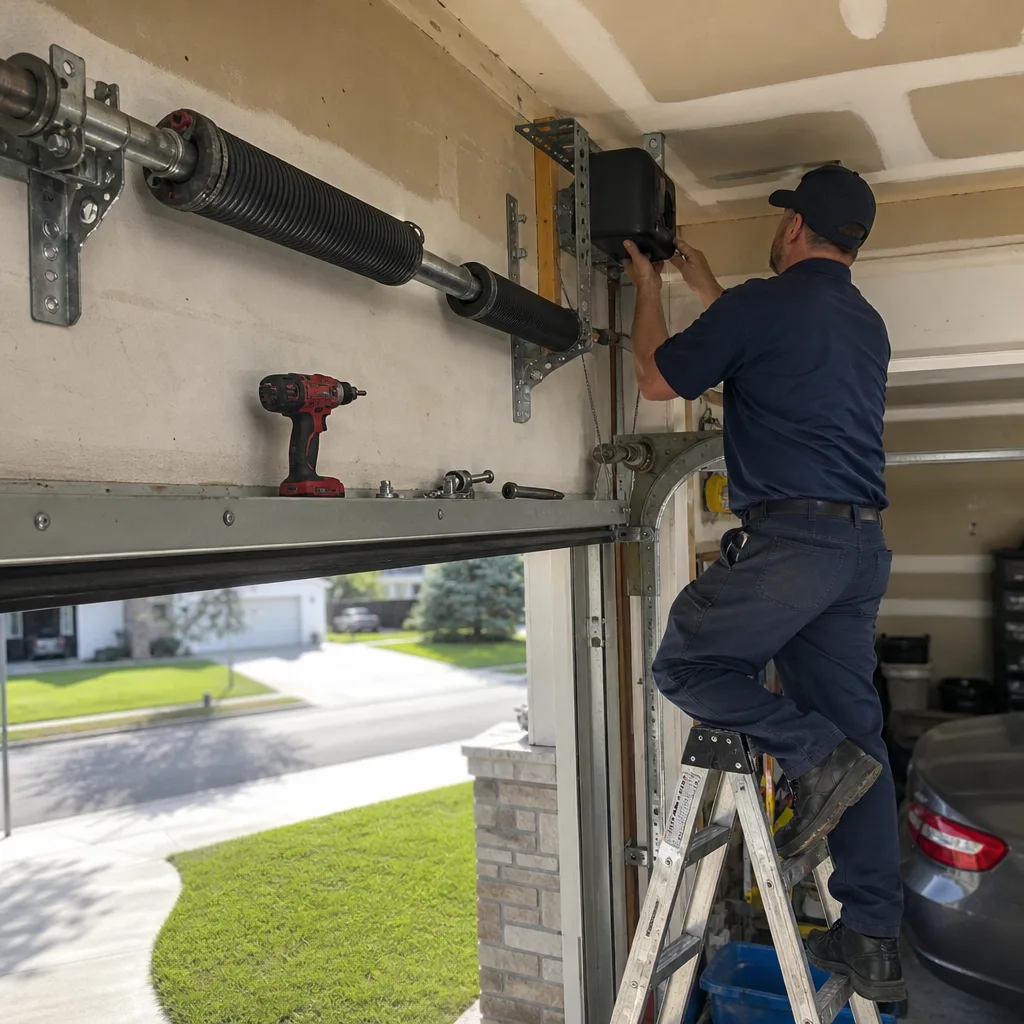
Last updated November 22, 2026
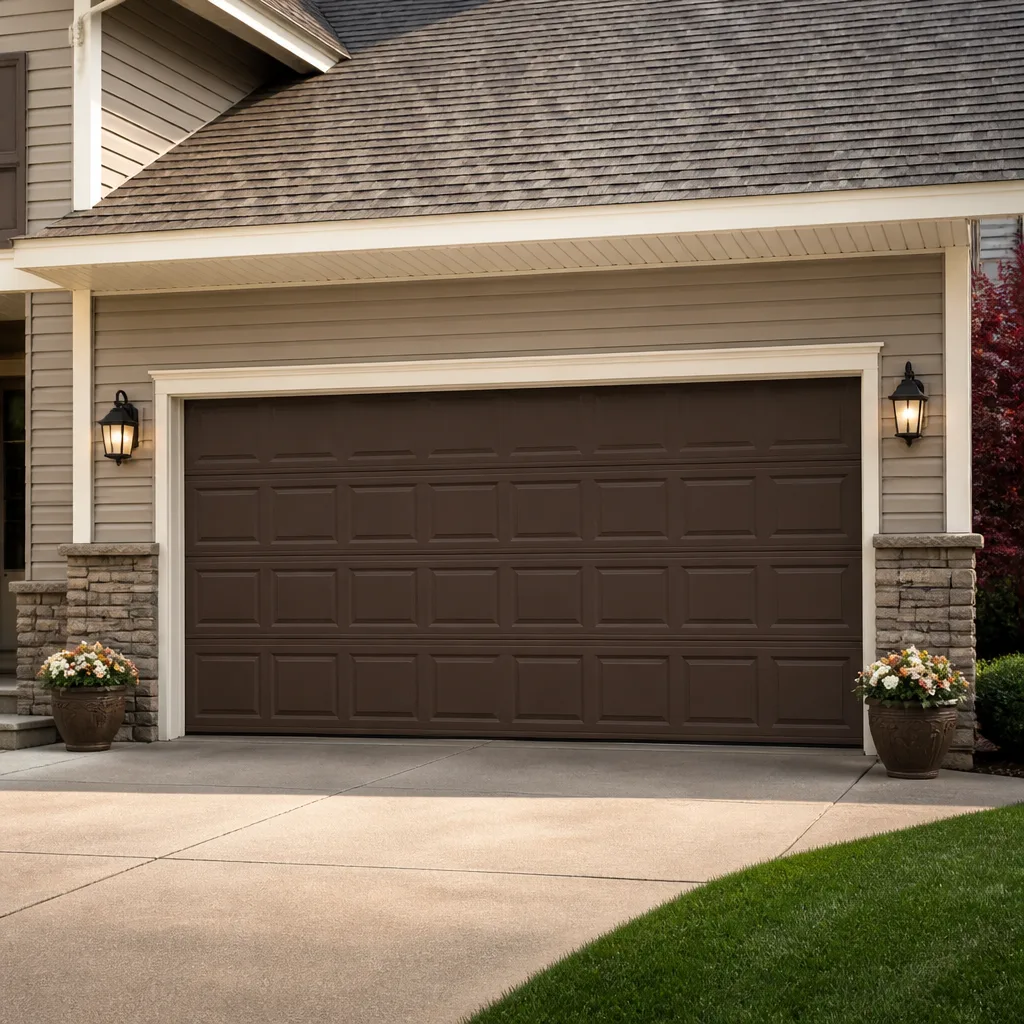 Raised-panel steel
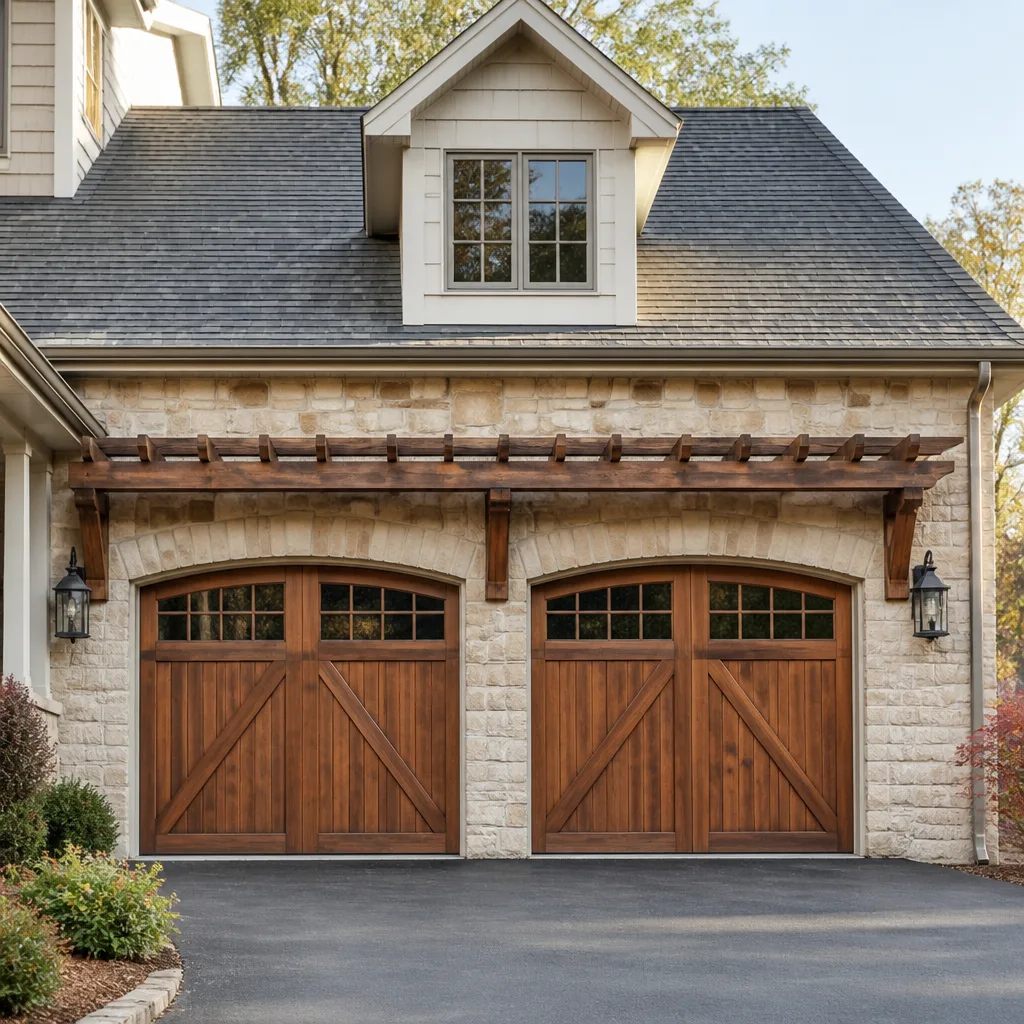 Carriage house
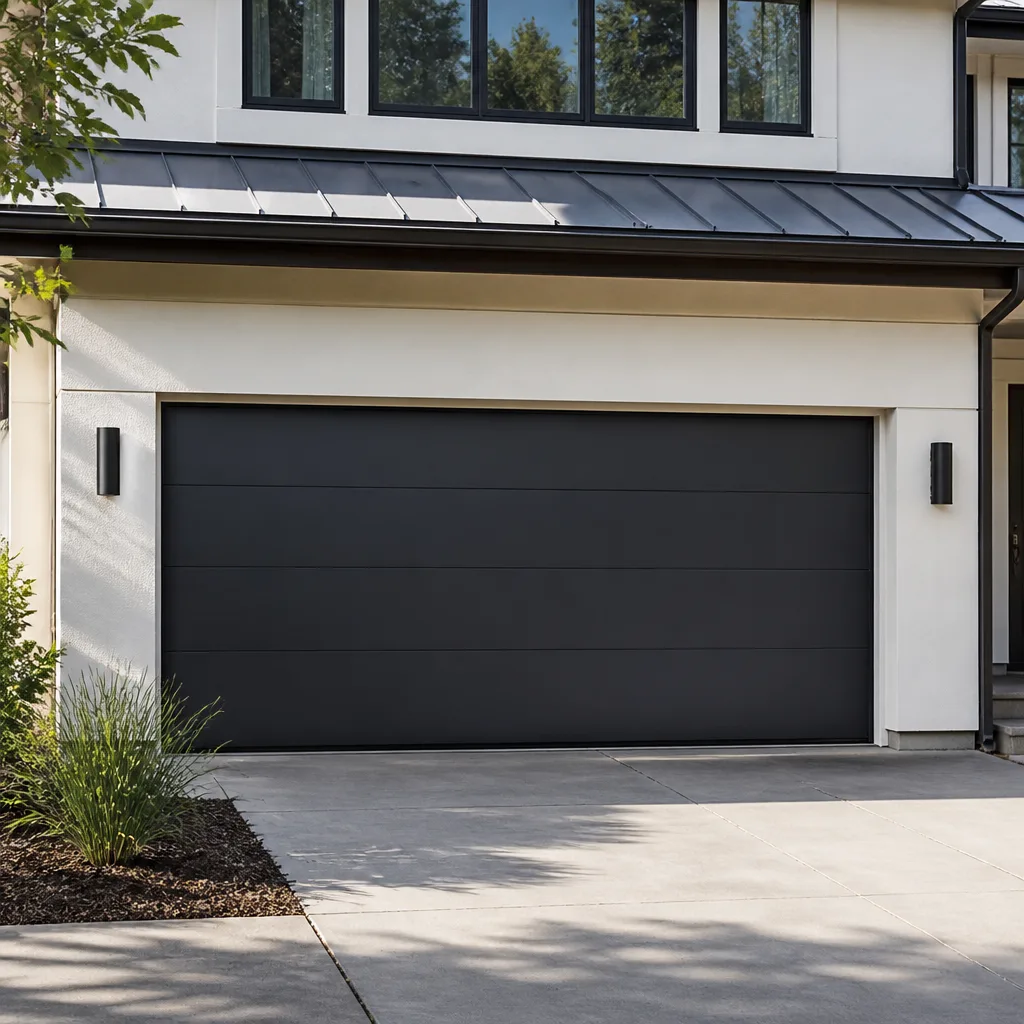 Modern flush
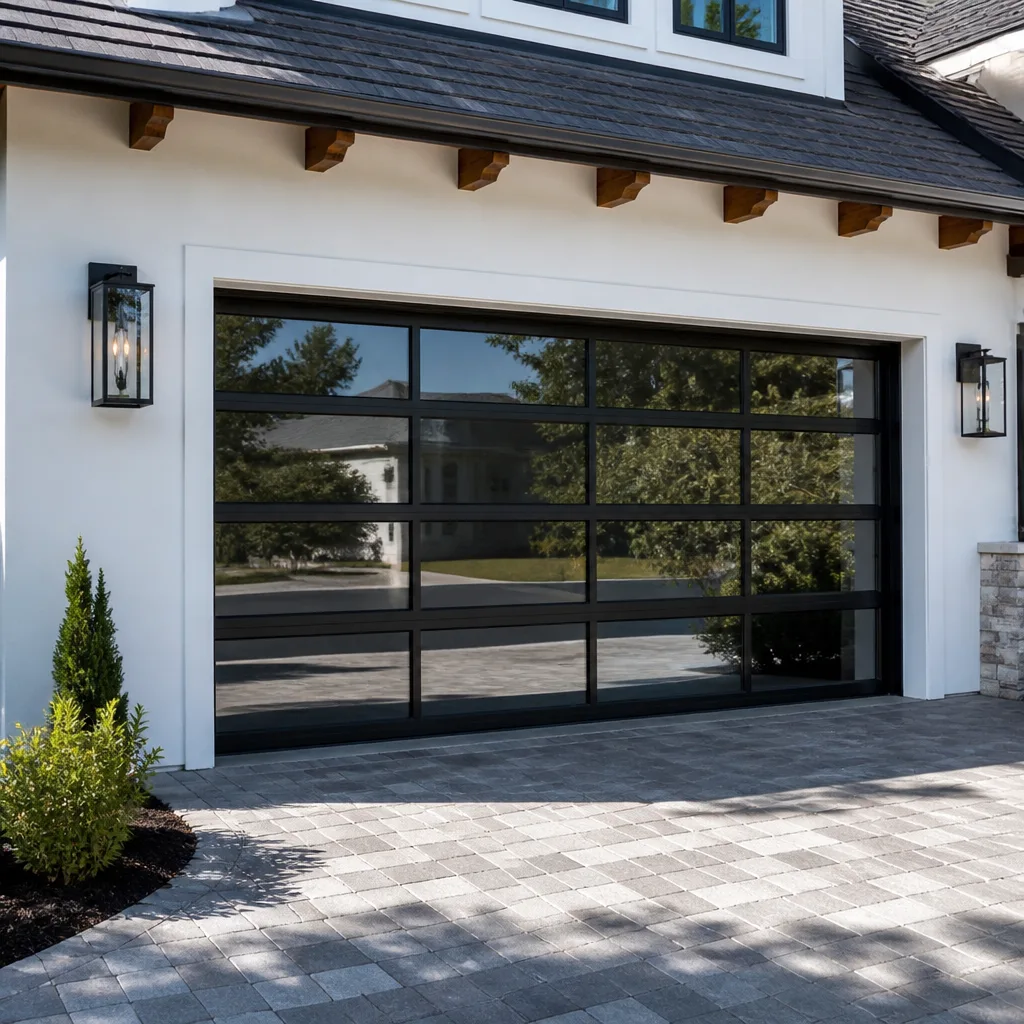 Full-view glass
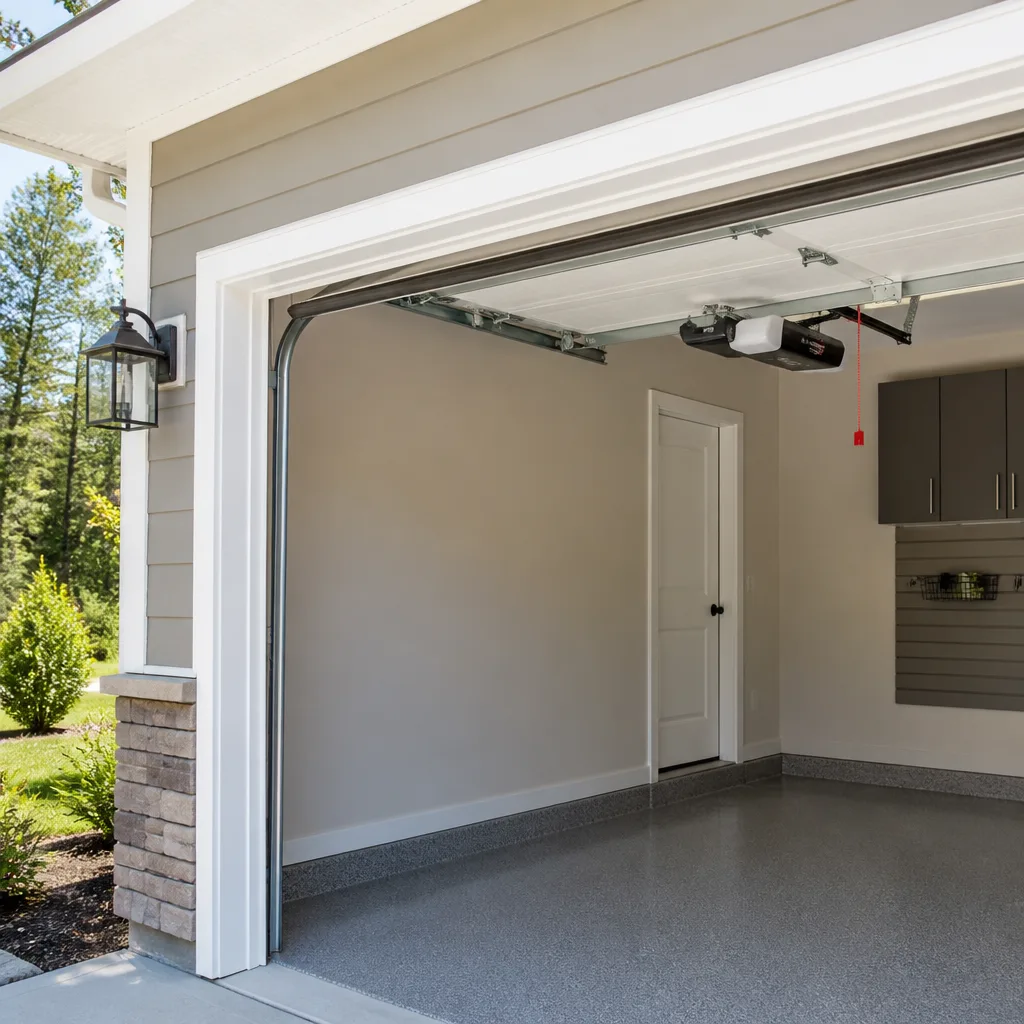 LiftMaster openers
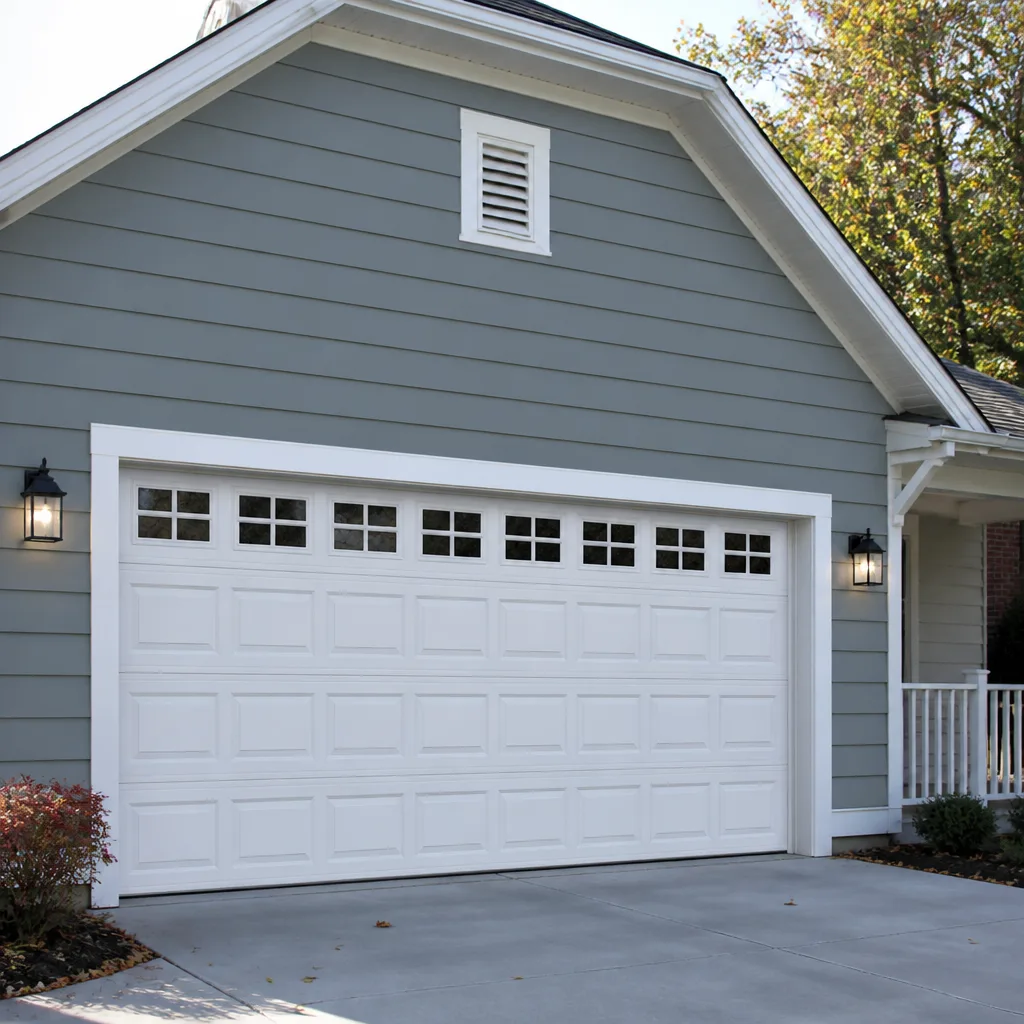 Chamberlain openers
Full 25-point door and opener safety check with every visit - springs, cables, rollers, tracks, and your LiftMaster or Chamberlain opener included
You get a price before we start. It does not change when the pro arrives.
Get your free estimateChoosing the Right Garage Door Brand: A Buyer’s Guide for Coon Rapids
Most garage door brand comparisons are written for a national audience, which means they rank doors for a climate that doesn’t exist here. A brand that earns top marks in a Texas consumer report and a brand that holds up through 20 Coon Rapids winters are not necessarily the same brand. Insulation, bottom seal compounds, and paint adhesion all behave differently at -20°F, and almost none of the buying guides mention it. This guide covers what actually matters for a Minnesota door: how polyurethane and polystyrene insulation differ in sustained cold, what steel gauge really means for dent resistance, how to read warranty terms line by line, how to evaluate bottom seal specs, and which brands Twin Cities distributors keep on the shelf. By the end you’ll know how to choose a brand without getting talked into a door you don’t need.
Styles & brands we work with
- Raised-panel steel
- Carriage house
- Modern flush
- Full-view glass
- LiftMaster openers
- Chamberlain openers
Quick Answer
The best garage door brand for a cold climate like Coon Rapids is one with polyurethane insulation (not polystyrene), 24-gauge or thicker steel, a bottom seal rated for sustained freeze-thaw cycling, and a warranty that explicitly covers panel replacement and finish. For most attached garages here, Clopay, Amarr, and Raynor polyurethane doors cover those bases, with Wayne Dalton and Craftsman as solid value options if the spec sheet lines up. Brand matters less than the spec on the tag: two doors from the same brand can differ wildly in cold-climate performance depending on insulation type, steel gauge, and seal compound.
Table of Contents
- Why Cold-Climate Performance Should Drive Your Brand Choice
- Polyurethane vs. Polystyrene: Which Insulation Holds Up in Minnesota Cold?
- Steel Gauge Reality Check: What 24-Gauge vs. 25-Gauge Actually Means
- Brand Warranties Decoded: Panels, Paint, and Hardware
- Reading a Bottom Seal Spec for Cold-Climate Performance
- Local Parts Availability: Which Brands Repair Fast in Coon Rapids
- Matching the Door Brand to Your Opener
- Common Mistakes to Avoid
- When to Call a Professional
- Frequently Asked Questions
- The Bottom Line
Why Cold-Climate Performance Should Drive Your Brand Choice
A garage door is the largest moving object attached to your house, and in Coon Rapids it cycles through some of the widest temperature swings in the country. Summer highs in the 90s, winter lows well below zero, and months of freeze-thaw cycles that stress every gasket, hinge, and paint film on the door. Brands that perform well in mild climates are rarely tested to these conditions, and the failure modes are quiet and cumulative rather than dramatic.
Here’s what actually happens to a door in this climate:
- Insulation loses efficiency. A polyurethane core that’s rated well in a lab is rated at a steady temperature. Repeated thermal cycling is different, and lower-density foams will show it first as frost on the inside face of the panel.
- Bottom seals harden and crack. The rubber or vinyl compound has to stay flexible at -20°F. Cheap compounds go brittle after two or three winters, then fail to seal, which lets snow melt and refreeze under the door.
- Paint adhesion breaks down. The factory finish on a steel door is a system: pretreatment, primer, topcoat. When any layer skips a step to save cost, the film chalks and peels, starting along the bottom edge where snow sits against the panel.
- Hardware loosens faster. Hinges, rollers, and track brackets all move slightly as the door expands and contracts. That’s normal, but it means hardware quality matters more here than in a steady climate.
The takeaway is simple: don’t buy a brand. Buy a spec. Two doors wearing the same brand name can differ in insulation type, steel gauge, seal compound, and finish system. When you’re comparing quotes, compare those four rows, not the logo. For standard repair work on a door you already own, we cover the practical side in our garage door repair guide.
Polyurethane vs. Polystyrene: Which Insulation Holds Up in Minnesota Cold?
Polyurethane insulation performs better than polystyrene in extreme cold because its closed-cell structure is denser and more uniform, which keeps the panel face warmer and resists moisture intrusion when the door cycles through freeze-thaw. Polystyrene is a bead-board or extruded foam that’s lighter and cheaper, and it’s often glued into the panel rather than bonded to it. That construction gap is what shows up after a few Coon Rapids winters.
Here’s how the two compare for an attached garage:
- Polyurethane (foamed-in-place): Foam is injected between the steel skins and bonds to both faces. The result is a stiff, solid panel with no voids. Thermal performance is higher, and the panel resists denting better because the foam supports the steel from behind. This is the standard for cold-climate doors, and it’s what we recommend for most attached garages in Coon Rapids.
- Polystyrene (bead-board): Expanded foam beads pressed into a board. Lighter, cheaper, and it doesn’t bond to the panel faces. In cold climates, the gap between foam and steel is where condensation collects, which can lead to rust along the panel seams and interior frost. Fine for a detached garage you don’t heat, less good for a garage attached to living space.
- Polystyrene (extruded): A denser board than bead-board polystyrene, with better moisture resistance. Still glued rather than bonded. A reasonable middle option, but it won’t match polyurethane for stiffness or sealing.
- No insulation (single-skin steel): Not a real option for an attached garage in Coon Rapids. Corrugated single-skin doors are loud, dent easily, and transmit cold straight through into the house.
Why it matters for an attached garage specifically: whatever air temperature the garage holds, the wall shared with the house feels. A well-insulated door lets you run the garage as a workshop or keep the mudroom cooler in July and warmer in January. A poorly insulated door turns the garage into a cold box that pulls heat off the house wall and makes the garage too cold for a car to start smoothly on the harshest mornings. If your opener has been straining against a heavier or less balanced door, our garage door opener repair page covers what that looks like.
Steel Gauge Reality Check: What 24-Gauge vs. 25-Gauge Actually Means
Lower gauge numbers mean thicker steel. A 24-gauge door skin is measurably thicker steel than 25-gauge, and in a hail-prone market like the north metro, that difference shows up as dents that don’t happen versus dents that do. The gap sounds tiny on paper. Across a 9-foot-wide panel, it’s the difference between steel that flexes and steel that dents.
Here’s what actually matters for a door in the Twin Cities hail belt:
- 24-gauge steel: The practical standard for a residential door in a hail market. Thicker skin, better impact resistance, and it holds its shape through freeze-thaw better because the skin moves less.
- 25-gauge steel: Common on builder-grade and entry-price doors. Lighter, cheaper, and it will show hail dents and door-handle dings earlier. Fine if the door faces a protected side of the house or a low-traffic area.
- 26-gauge and thinner: Found on the cheapest doors sold as “steel.” Avoid for any door that faces the driveway in Coon Rapids.
One more thing most buyers miss: the back skin matters as much as the front. A door that’s 24-gauge on the front and 27-gauge on the back is a two-tier product, and it will flex and rattle more than a door built with matching skins. Ask for both numbers.
And go one step further: ask about wind-load rating, not just gauge. A 24-gauge door with a good strut system and reinforced hinges handles a north-metro wind gust far better than a lighter door of the same gauge that skipped the reinforcement. Gauge is the entry point, but the hardware and reinforcement pattern are what make the door survive a storm.
Brand Warranties Decoded: Panels, Paint, and Hardware
Garage door warranties are written to sound like they cover everything and technically cover very little. A typical warranty page lists section warranties, finish warranties, and hardware warranties, and each one has fine print that decides whether a claim is honored or denied. Read it before you buy, not after the panel peels.
Here’s how to break a warranty into the three lines that actually matter:
- Section (panel) warranty. This covers the steel panels themselves. Look for terms like “limited lifetime” on the panel skin, then look for the exclusions. Most brands exclude damage from hail, wind, and impact, which is fine, but they also exclude rust-through claims that don’t include perforation. Read whether the claim requires the panel to be structurally compromised or just compromised cosmetically.
- Finish (paint) warranty. This covers peeling, cracking, and chalking of the factory finish. Most finish warranties run for a set number of years and require the door to be maintained as instructed. The brands that honor finish claims without friction are the ones that specify a pretreatment and topcoat system in their literature, not just a “powder coated” line.
- Hardware warranty. Hinges, rollers, springs, cables, and track. This is where the difference between brands really shows up. Springs in particular are often covered for a shorter period than the panels, and spring breakage from normal use is a routine event, not a defect. Ask what the spring coverage looks like before you buy the door, not after one breaks.
Two warranty habits worth adopting:
- Ask which claims the dealer handles vs. which go back to the manufacturer. The smoother experience is usually with a brand whose dealer network handles claims locally rather than pushing every decision to a factory process.
- Keep the paperwork, not just the receipt. Finish warranty claims often require proof of the original installation date and the model number. A photo of the door’s identification sticker goes a long way if the paperwork goes missing.
If you’re dealing with a spring failure right now, warranty terms are a tomorrow problem. The safety problem is today’s, and we go into the risk side on our garage door spring repair page. Springs are the highest-tension component on the door, and they’re not a homeowner repair.
Reading a Bottom Seal Spec for Cold-Climate Performance
The bottom seal is the single cheapest component on the door and the one most likely to fail first in Coon Rapids. A cold-climate bottom seal should stay flexible below zero, compress against an uneven floor, and spring back after a full winter of use. Most of the seals on builder-grade doors don’t meet that bar, and it shows up as snow melt collecting under the door by February.
Three specs to look at:
- Material compound. EPDM rubber stays flexible at temperatures that harden vinyl and PVC. A vinyl or low-grade rubber seal will crack along the kerf by the end of its second or third winter here. EPDM is the compound to ask for on any door that opens to an unheated or partially heated garage.
- Compression profile. Look for a bulb or double-bulb profile over a flat blade. The bulb shape gives the seal more travel, which lets it conform to an uneven concrete floor when the slab heaves or settles with frost. A flat blade seals only when the floor is dead flat, which almost no garage floor is after a few winters.
- Expected replacement interval. A quality EPDM seal on a well-adjusted door typically gives a longer service life than a bargain seal, and the interval depends on how much the door runs. A door that opens four times a day wears its seal faster than one that runs once a week. Check the seal each fall: run your fingers along it and look for cracks, missing chunks, or a flattened profile that no longer touches the floor.
One local wrinkle: the frost heave that lifts a slab in Coon Rapids can open a gap under a door that sealed fine in October. If you find daylight under the door in January, it’s usually the seal, the bottom bracket, or a slightly out-of-adjustment door, not the concrete. A trained technician can tell the difference in a few minutes.
Local Parts Availability: Which Brands Repair Fast in Coon Rapids
Repair speed comes down to parts. A brand with a distribution footprint in the Twin Cities means hinges, rollers, bottom brackets, and opener components come off a shelf in the metro; a brand without one means ordering, waiting, and losing access to your garage in the meantime. The difference isn’t the brand name, it’s where the parts are stocked.
Here’s how the picture usually goes for Coon Rapids homeowners:
- Common repair brands with metro distribution: Clopay, Amarr, and Wayne Dalton all have strong Twin Cities parts availability for doors and hardware. LiftMaster and Chamberlain opener components are the standard stocked items at metro distributors. These are the doors and openers where a broken hinge or a failed gear kit is usually a one-visit repair.
- Builder-tier brands with lighter retail distribution: Craftsman door hardware is widely available through opener channels, and the brand’s door line is mostly distributor-ordered. Raynor doors and hardware have solid metro availability through specialty distributors, but some panel and trim parts go through the manufacturer.
- Imported or discontinued lines: Parts can require long-lead ordering, and in some cases a substitute part isn’t compatible. If your door is more than 15 years old and the brand has changed hands or discontinued the line, ask what the parts picture looks like before a failure happens, not after.
Two practical habits:
- Write down the door’s model and serial number. Usually on a sticker on the inside face of the top or bottom panel. That one photo tells a parts desk exactly what fits.
- Match the door brand to the opener brand where possible. A LiftMaster or Chamberlain opener paired with a compatibly built door usually moves, balances, and reverses the way the opener’s engineers intended, and the safety reverse test runs cleaner.
When a door fails, the fastest path back to normal is a specialist with a stocked shop, not a brand-specific dealer who has to order every part. That’s part of why our single-trade focus helps: 100% of what we work on is garage doors, which means deeper parts access and faster diagnosis than a general handyman or a multi-trade company. If your door is stuck right now, Coon Rapids Garage Door Repair is the page to start on, and the phone line below is the fastest route.
Matching the Door Brand to Your Opener
Your door and your opener are a system, and a brand change on one side is worth a quick compatibility check on the other. A heavier polyurethane door needs a stronger opener than the builder-grade door it might be replacing. If you’re choosing a door brand and keeping your existing opener, ask what the door’s weight and balance point look like.
Two things to check before you buy:
- Opener capacity vs. door weight. Most residential openers are rated for standard doors, but a fully insulated double door is heavier than a single-skin door. Get the door weight from the spec sheet and match it to the opener’s rated capacity.
- Brand ecosystem. LiftMaster and Chamberlain openers use the same MyQ platform and the same safety sensor logic, and Craftsman openers share a lot of parts with that family. If your opener works and you install a door from a brand with a good metro parts presence, you usually don’t need to swap the opener at the same time.
One safety note: new door installations should always finish with a safety reverse test and a photo-eye alignment check. If the opener’s reversing system doesn’t work, that’s a safety problem, not a convenience one. If you’re replacing the door but keeping the opener, have the technician run that test on the new door.
Common Mistakes to Avoid
- Buying the brand instead of the spec. Two doors with the same logo can differ in insulation, gauge, and seal. Compare insulation type, steel gauge on both skins, seal compound, and finish system, not the label on the brochure.
- Choosing polystyrene for an attached garage. It’s cheaper and it shaves a bit off the quote, but the panel-gap condensation and interior frost make it a poor fit for an attached garage in Coon Rapids. Polyurethane is the better call for any door shared with living space.
- Skipping the bottom seal spec. It’s the cheapest part on the door and the first to fail in a freeze-thaw climate. Ask for EPDM, ask for a bulb profile, and check the seal every fall.
- Reading only the first line of the warranty. “Limited lifetime” on the panel doesn’t mean the finish, hardware, or springs are covered the same. Read all three warranty lines before signing, and ask how claims are handled locally.
- Ignoring parts availability. A door from a brand with no Twin Cities distribution can be a difficult repair two winters in. Before you buy, ask where the hinges, rollers, and springs are stocked.
- Letting a hail-dented door sit too long. Dings that start small in the summer can become rust points in a Coon Rapids winter once the finish breaks. Address any area of bare metal before the first snow.
- Assuming bigger brand equals better cold-weather performance. Several nationally popular brands market heavily to warm-climate buyers and sell doors in Minnesota with the same bottom seal and insulation as their southern lines. Read the spec sheet, not the ad.
When to Call a Professional
Call a professional when the issue involves tension or height. Springs and cables are under enough stored force to cause serious injury, and they are not a homeowner job. Never try to adjust a spring, cut a cable, or re-tension a drum by yourself; call a trained technician. The same applies if the door is stuck open or stuck shut and you can’t safely leave it, if a hinge or bottom bracket has pulled out of the panel, or if your opener reverses on its own or fails the safety reverse test.
Call us when you’re buying a new door and want a spec review before you commit. We work on 8 of the common residential brands, including LiftMaster, Chamberlain, Genie, Clopay, Amarr, Wayne Dalton, Craftsman, and Raynor, so the brand question is usually a spec question we can answer directly. Our technicians have up to 14 years of experience. Coon Rapids Garage Door Repair offers free estimates in Coon Rapids – call (833) 509-5386. We answer 24/7. Fast dispatch from 7am to 7pm, Sunday through Friday.
Frequently Asked Questions
Clopay, Amarr, and Raynor polyurethane doors hold up best in cold climates because they combine a bonded polyurethane core, 24-gauge or thicker steel, and finish systems built for sustained freeze-thaw. Wayne Dalton and Craftsman can be solid value choices if the spec sheet matches, but the brand matters less than the insulation type, gauge, seal compound, and warranty terms. Call (833) 509-5386 for an exact quote on a door that fits your garage – estimates are free.
Yes, for an attached garage. Polyurethane bonds to both steel skins, resists condensation inside the panel, and holds its stiffness through multiple winters. Polystyrene is glued rather than bonded, which is where cold-climate failures start. The price difference is usually modest compared to the cost of replacing the door earlier than you should.
Ask where the hinges, rollers, bottom brackets, and springs are stocked. Brands with strong metro distribution (Clopay, Amarr, Wayne Dalton) and openers from LiftMaster, Chamberlain, Genie, and Craftsman are typically stocked at Twin Cities distributors, so common repair parts are a one-visit fix. If the brand has no local distribution, expect ordering delays that keep the garage out of service.
Any experienced garage door specialist can work on your door if they know the brand. We work on 8 of the common residential brands, including LiftMaster, Chamberlain, Genie, Clopay, Amarr, Wayne Dalton, Craftsman, and Raynor, so the brand question is usually a spec question, not a gatekeeper. What matters more than brand is whether the technician works on garage doors as their only trade.
No. The written estimate is the price. If we find something beyond the original scope after we start, we stop and talk to you before doing anything that changes the number. The price is quoted and agreed before any work starts.
Same-day dispatch is available for urgent repairs in Coon Rapids. We answer 24/7, and dispatch runs 7am to 7pm, Sunday through Friday. A call outside dispatch hours is booked into the next opening. Call (833) 509-5386 for an exact quote on the failure – estimates are free.
The Bottom Line
Buy the spec, not the brand. In Coon Rapids, cold-climate performance should eliminate or rerank a lot of what national comparison guides recommend, and the four rows that matter most are insulation type, steel gauge on both skins, bottom seal compound and profile, and warranty terms on panels, finish, and hardware. Add a fifth: where the parts are stocked. A brand with Twin Cities distribution keeps your door in service; a brand without one leaves you waiting on a hinge. Once you have those rows in hand, the brand choice usually makes itself. If you’d rather have a specialist read the sheets with you, that’s what we’re here for.
Ready for a straight answer on your door? Call Coon Rapids Garage Door Repair at (833) 509-5386 for a free estimate. We answer 24/7. Fast dispatch from 7am to 7pm, Sunday through Friday. We work on your brand, whether it’s a door you’re repairing or one you’re about to buy, and we’ll tell you what the spec actually means before you sign. No upsell to a new door you don’t need, and no invoice bigger than the quote.
Written by the team at Coon Rapids Garage Door Repair.
See the difference
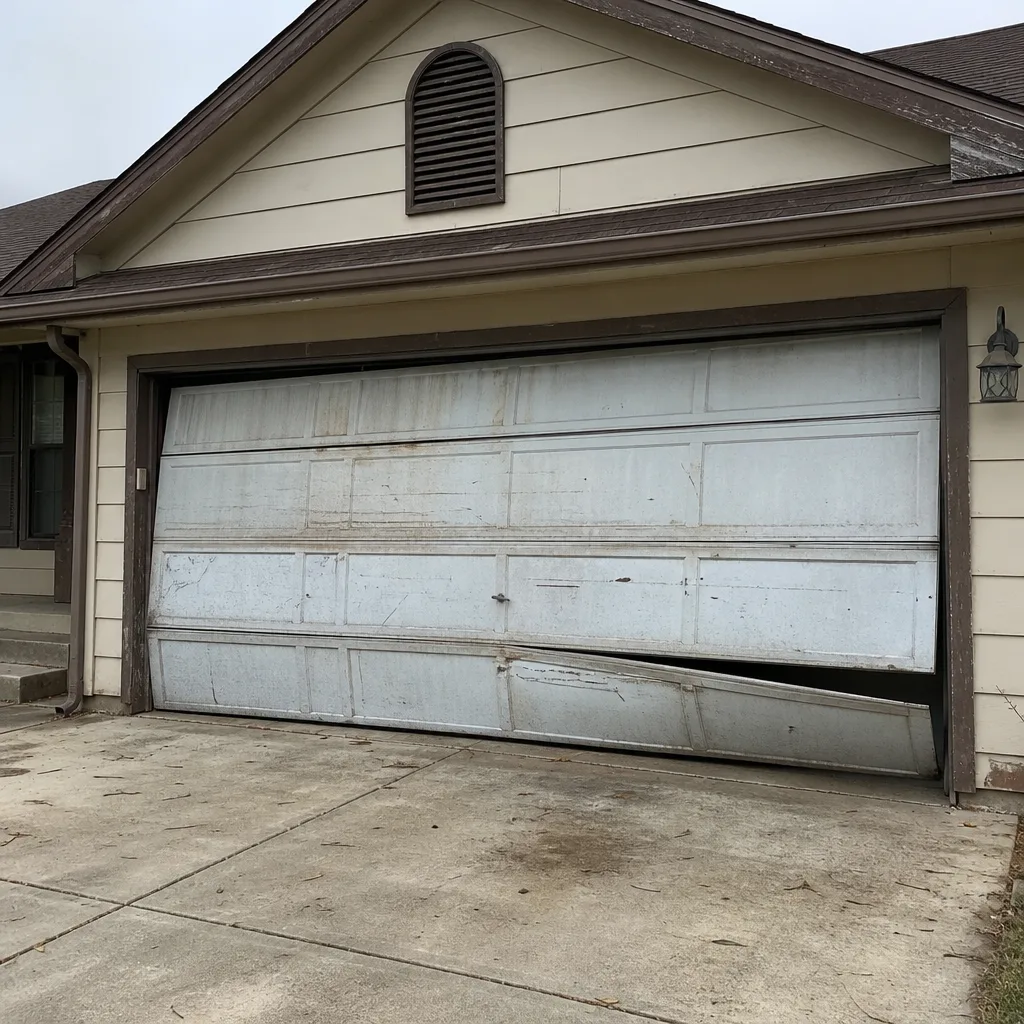 Before
 After
 Before
 After
 Before
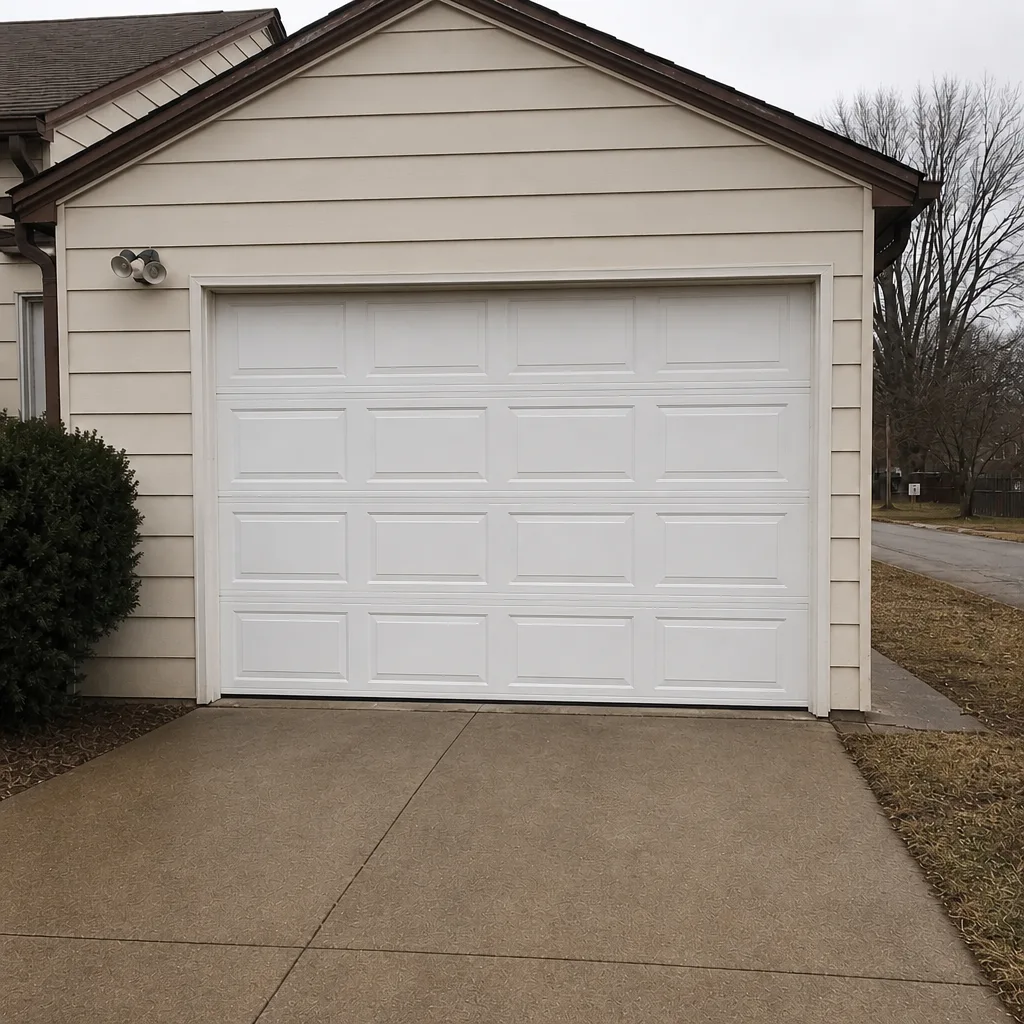 After