
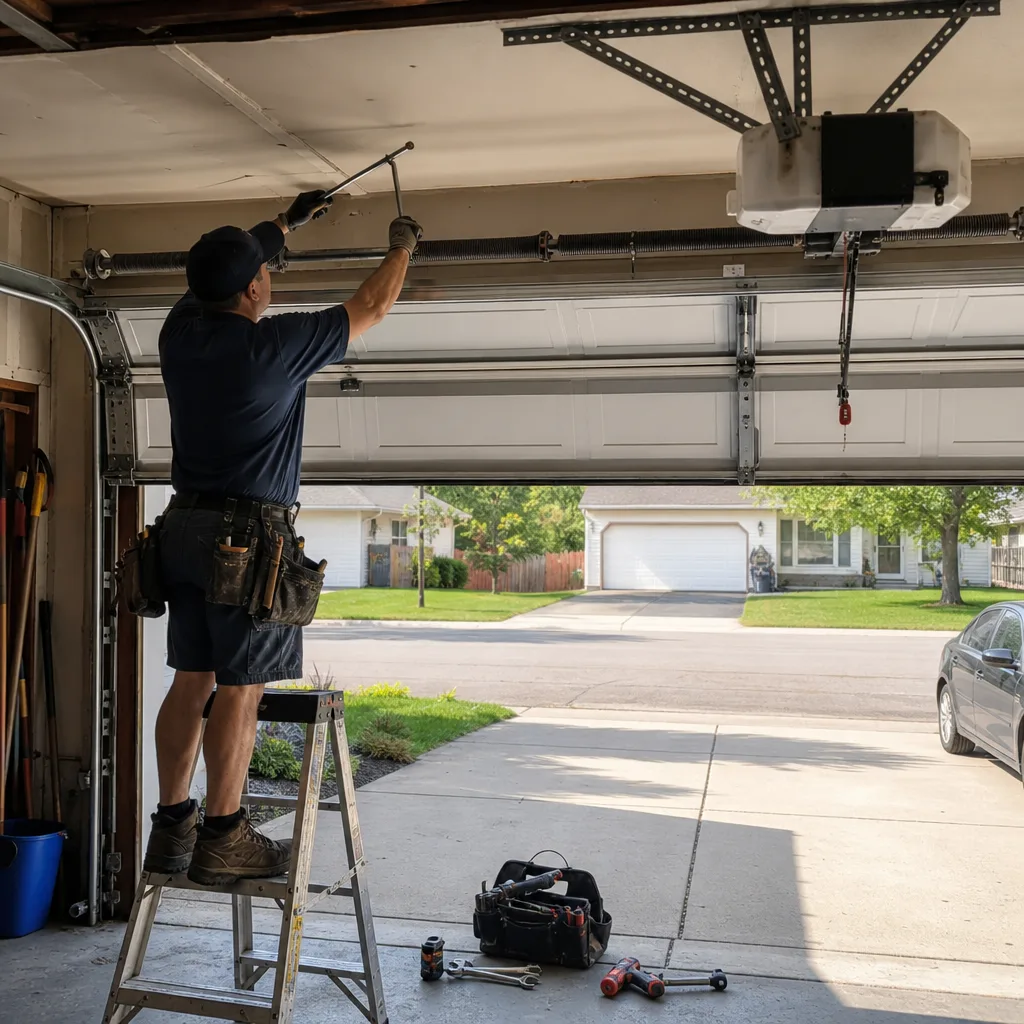
Last updated November 22, 2026
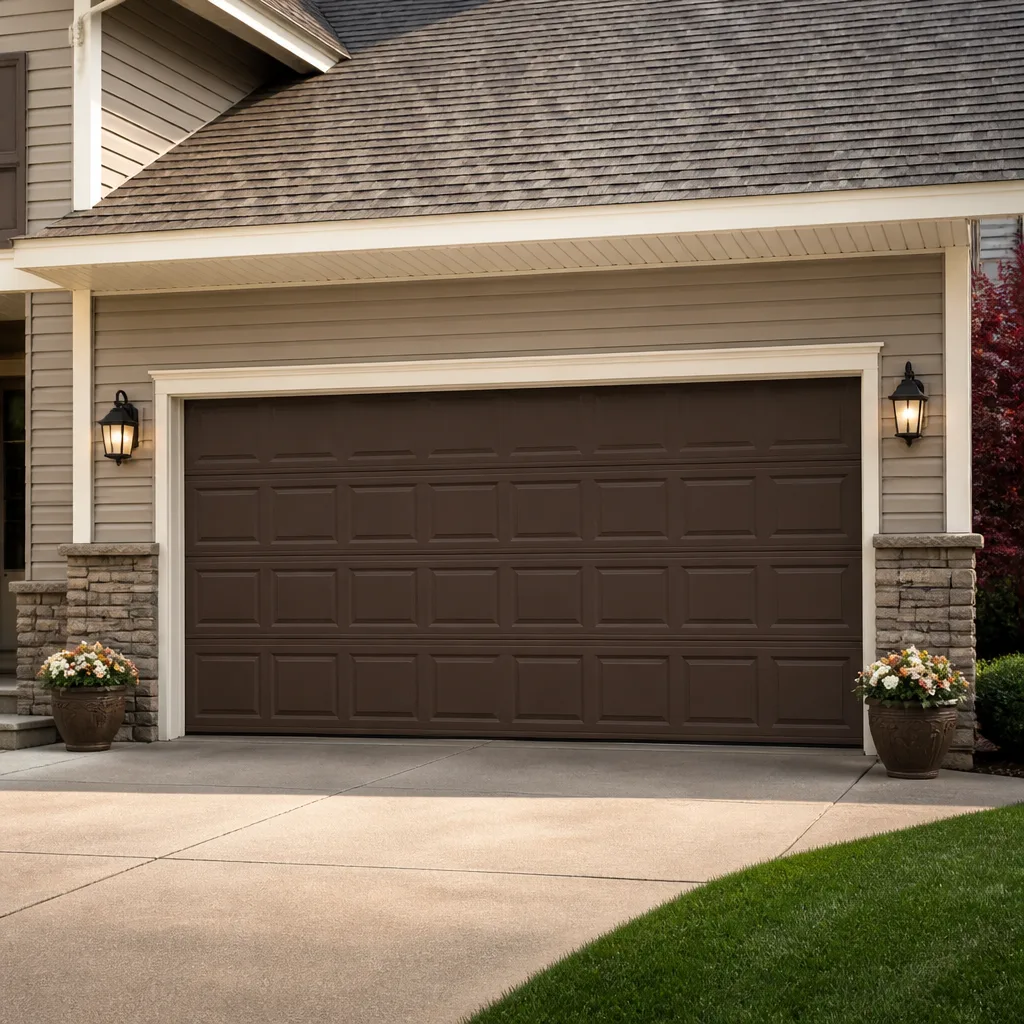 Raised-panel steel
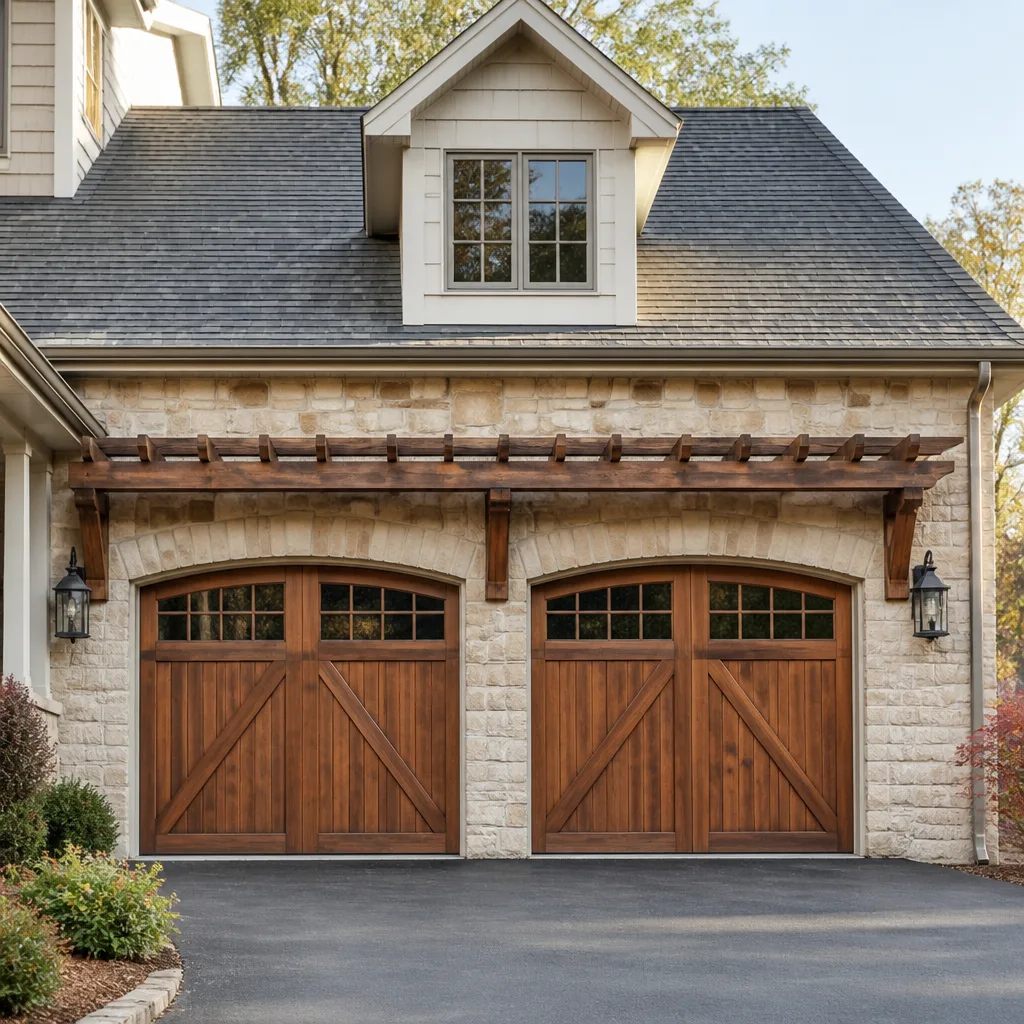 Carriage house
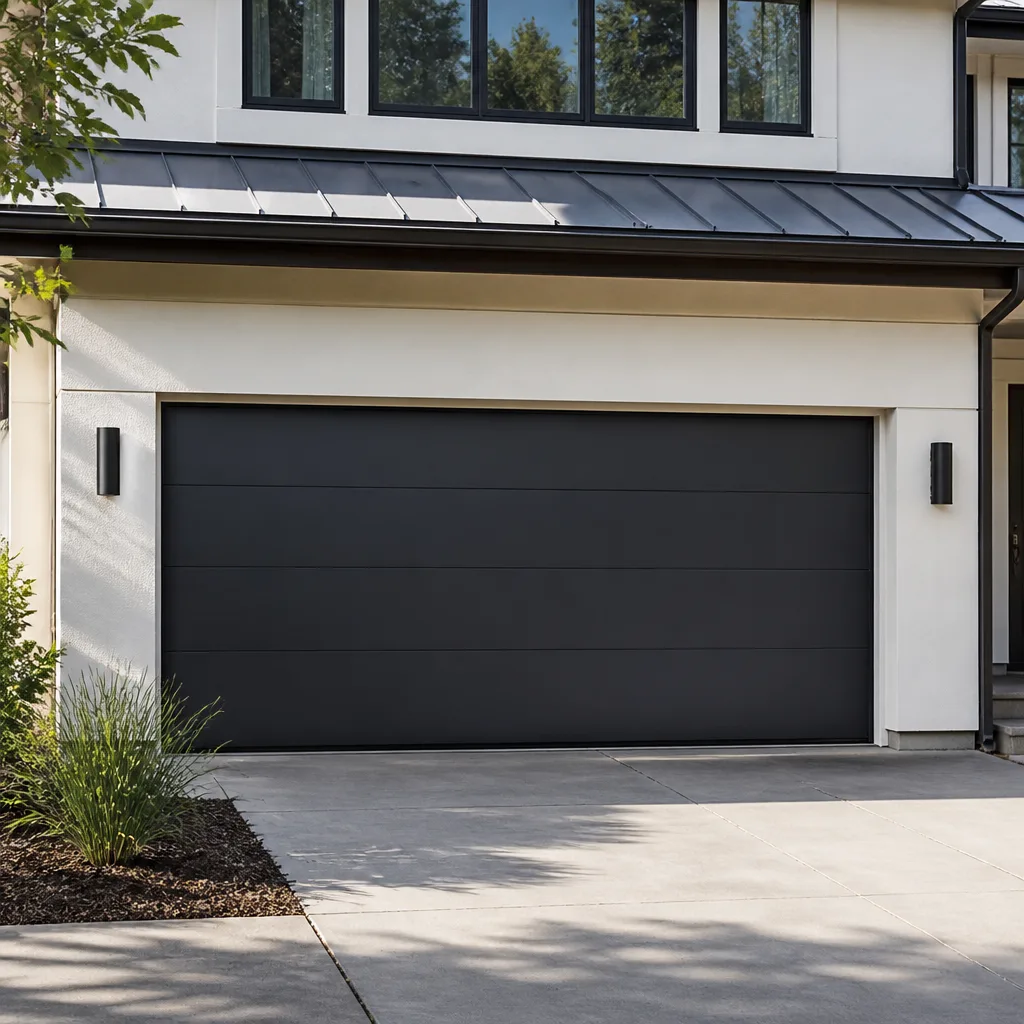 Modern flush
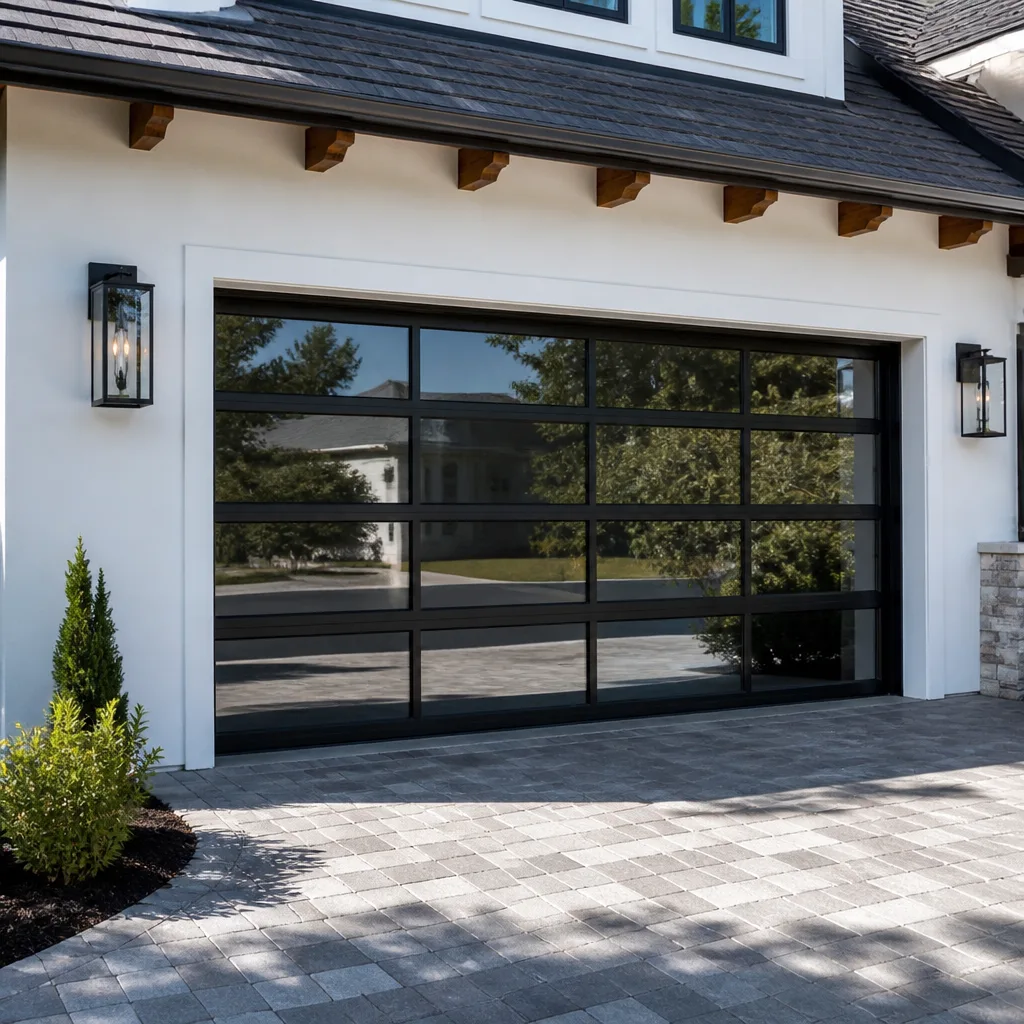 Full-view glass
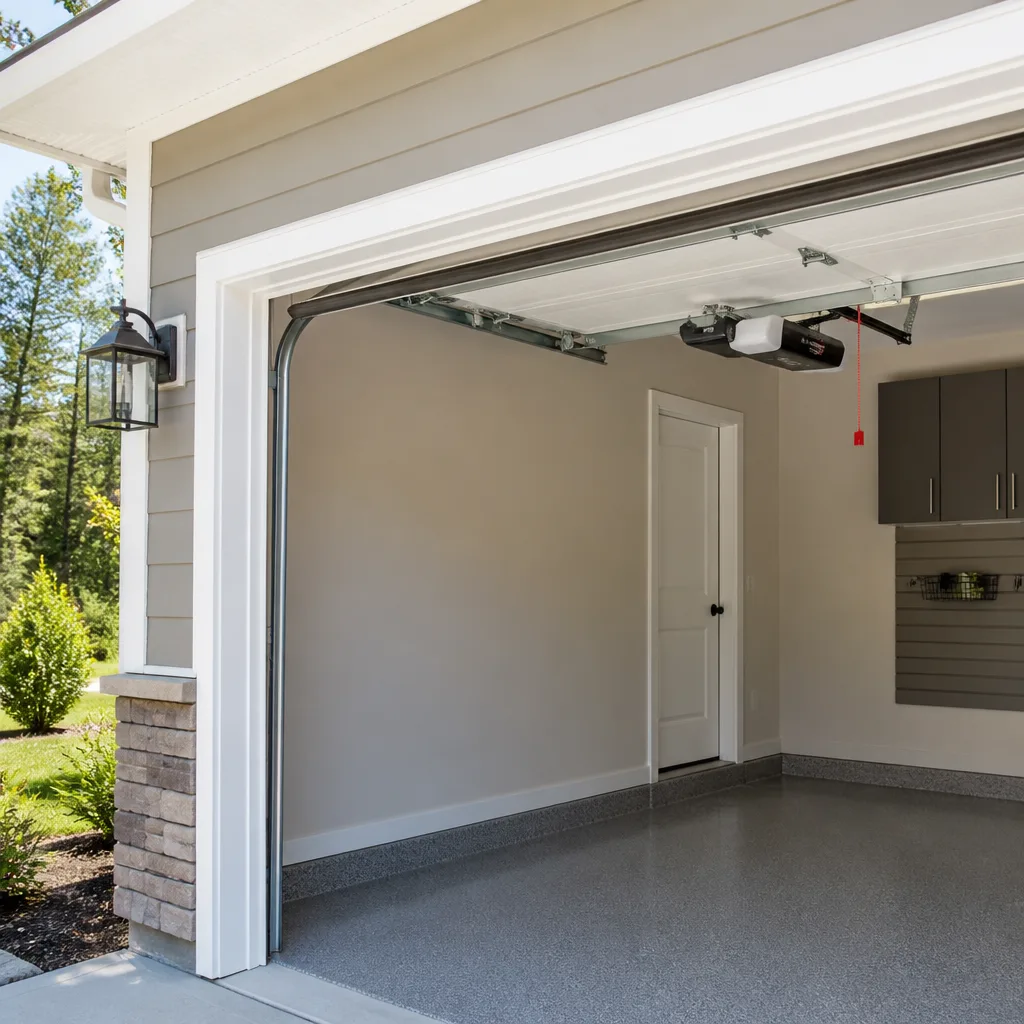 LiftMaster openers
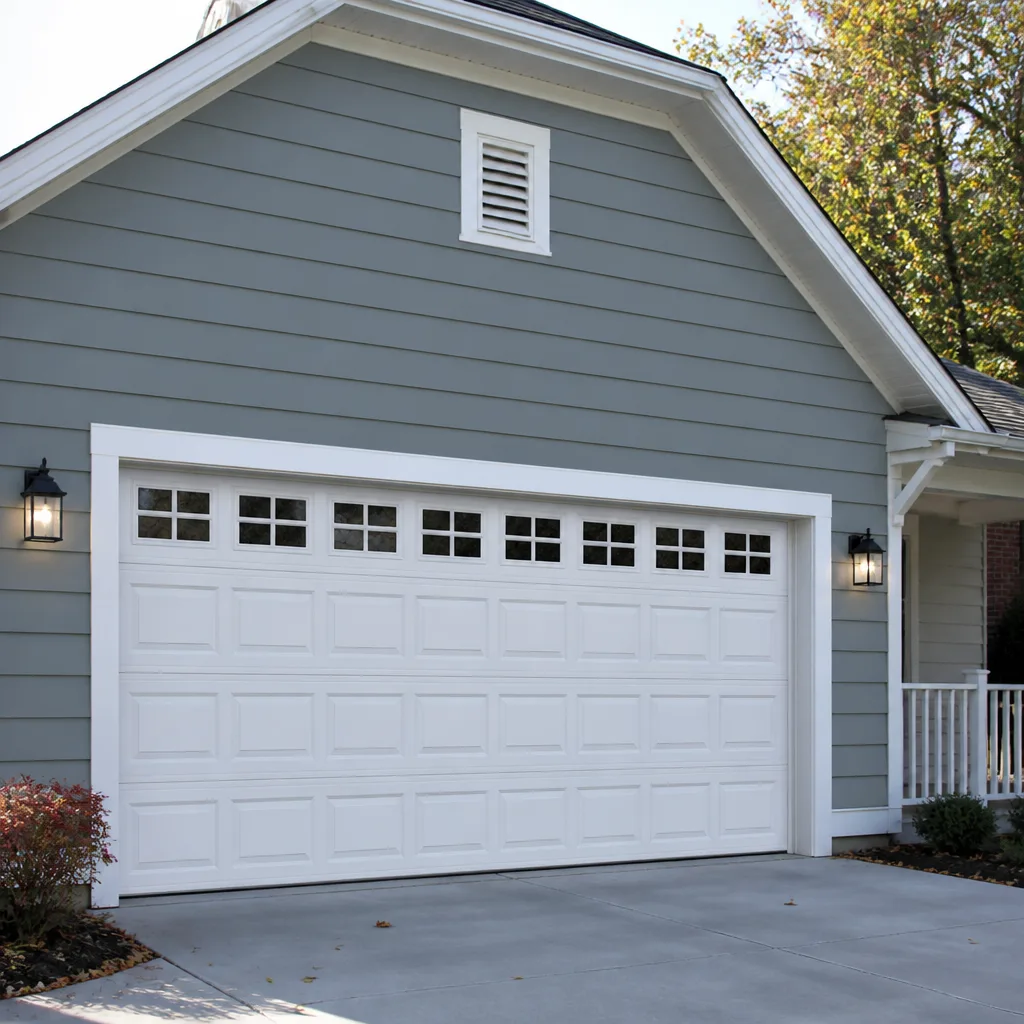 Chamberlain openers
Full 25-point door and opener safety check with every visit - springs, cables, rollers, tracks, and your LiftMaster or Chamberlain opener included
You get a price before we start. It does not change when the pro arrives.
Get your free estimateDIY vs Professional Garage Door: The Coon Rapids Homeowner’s Decision Guide
Torsion springs store enough energy to cause permanent injury. That’s not a scare tactic, it’s physics. But painting your garage door, replacing a bottom seal, or reprogramming an opener remote? Those are legitimately DIY-friendly, and telling you otherwise would be dishonest. The line between the two is clearer than most guides admit, and it has almost nothing to do with how handy you are. It has to do with whether a mistake is recoverable. This guide breaks down garage door work task by task for Coon Rapids homeowners, so you can honestly decide what to take on and what to hand off.
Styles & brands we work with
- Raised-panel steel
- Carriage house
- Modern flush
- Full-view glass
- LiftMaster openers
- Chamberlain openers
Quick Answer
Safe DIY garage door tasks are limited to painting, cleaning, lubricating moving parts, replacing bottom seals and weatherstripping, and reprogramming openers and remotes. Everything involving torsion springs, cables, drums, bottom brackets, panel replacement, and opener force or travel limit settings belongs with a trained technician, because a failure there can injure you or bring the door down. Most Coon Rapids homeowners should DIY the cosmetic and routine upkeep and call a specialist for anything mechanical, and a written estimate tells you the cost before work starts.
Table of Contents
- Which Garage Door Tasks Are Actually Safe to DIY?
- Why Springs and Cables Are Never a DIY Job
- The Hidden Danger in DIY Opener Adjustments
- DIY vs Professional: Cost Reality for the Five Most Common Repairs
- Tools and Knowledge Minimums for DIY-Eligible Tasks
- What Coon Rapids Weather Does to Your Garage Door
- A Self-Assessment Checklist Before You Start
- Common Mistakes to Avoid
- When to Call a Professional
- Frequently Asked Questions
- The Bottom Line
Which Garage Door Tasks Are Actually Safe to DIY?
The DIY-safe list is shorter than most big-box store signage suggests, but it isn’t empty. A homeowner with basic tools and reasonable care can handle several jobs on a sectional garage door without putting anyone at risk. These tasks share one trait: if you get them wrong, the door still stays up.
Here’s the honest list of what’s genuinely DIY-eligible:
- Painting and staining. Steel doors take exterior paint well; wood and wood-composite doors (Clopay and Amarr both make wood-look lines) take stain. Prep work matters more than technique, and a ladder is the main hazard.
- Cleaning and lubricating. Wiping panels down and applying a garage-door-rated lubricant to hinges, rollers, and tracks is routine upkeep and extends the life of the hardware.
- Replacing the bottom seal and side weatherstripping. Vinyl seals pull out of their retainers and slide back in. This is one of the highest-value DIY tasks for Coon Rapids homeowners because it affects both energy loss and water intrusion.
- Reprogramming remotes and keypads. Garage door openers from LiftMaster, Chamberlain, Genie, and Craftsman all have owner-manual programming sequences, and following them exactly is the whole job.
- Tightening visible loose hardware. A rattling hinge bolt or a loose handle bracket can be snugged up with a socket set. Torque spec is “snug, not cranked.”
- Replacing a light bulb or a battery backup. Cosmetic and low-risk.
- Clearing track obstructions. If a small object or debris is visible in the track with the door fully open and disconnected from the opener, a homeowner can safely clear it.
Everything else, from spring work to opener adjustments to panel swaps to cable work, carries a failure mode that either hurts someone or requires a redo. We work on garage doors all over Coon Rapids, and the pattern we see most often is homeowners correctly handling the cosmetic stuff and correctly stopping at the mechanical stuff. The trick is knowing exactly where that line sits before you climb the ladder.
Why Springs and Cables Are Never a DIY Job
Garage door springs are counterbalance mechanisms, not assistive hardware. A torsion spring on a standard residential door stores energy equal to lifting the full door weight over and over, and it releases that energy in a fraction of a second when it fails. There’s no way to arm yourself with knowledge that makes that safe to handle by hand.
Two distinct systems sit under your garage door ceiling, and they carry different risk profiles:
- Torsion springs mount above the door on a shaft and wind and unwind around a steel bar. They run under extreme tension even when the door is closed and at rest. Replacing one requires special winding bars, a controlled release sequence, and knowing exactly what the door weighs. A wrong move can strike a technician or a homeowner at close range.
- Extension springs run horizontally along the sides of the door on a cable. They also fail with force, but the failure typically happens along a more predictable line, and many modern installations include a containment safety cable that limits travel if the spring breaks. Even so, swapping an extension spring still requires a trained hand.
We focus our spring work specifically because it’s the highest-risk and most common garage door failure. That focus is the reason we can diagnose a spring problem over the phone and know exactly which replacement we’re bringing. For a homeowner, the right move is almost always garage door spring repair handled by a specialist rather than a homegrown experiment. Cables, drums, and bottom brackets fall in the same category as springs. Bottom brackets attach to the cable under tension, and a slipped bracket can whip outward with enough force to break bone. No homeowner should be releasing that tension with anything but the right tools and training.
The Hidden Danger in DIY Opener Adjustments
Opener repairs often look simpler than spring work, which is exactly why homeowners get hurt by them. The dangerous settings are the two that don’t announce themselves: force limits and travel limits.
Force limits control how much resistance the opener applies before it reverses. Travel limits control how far up and down the door goes. If a homeowner turns up the force limit to stop a stalling door, the door might start closing smoothly, but the safety reversal will no longer trip when it should. If you or a child is in the door’s path, that setting is the difference between a stoppage and an injury. When a door leans heavily on the opener, the right fix is usually the door’s balance, not the opener’s force setting.
Travel limits have their own failure mode. Set too high, the door slams into the header. Set too low, it stops short and leaves a gap. Repositioning the limits repeatedly can drift the door out of proper alignment, and the opener begins to work against a door that’s out of balance. A homeowner can reasonably learn to program a remote or a keypad, but adjusting the opener’s internal force and travel settings belongs with a technician who can also see whether the door’s balance is what’s actually causing the problem.
That’s where a focused call helps. When a door stutters, reverses without reason, or won’t fully close, the right answer is usually garage door opener repair that starts with balance and safety-reversal testing, not just a new force setting. We work on the major opener brands in Coon Rapids specifically because the fix varies by model and the diagnostics matter. A Clopay or Wayne Dalton door paired with a LiftMaster or Genie motor has its own tuning quirks, and guessing at them wastes time and money.
DIY vs Professional: Cost Reality for the Five Most Common Repairs
The DIY-versus-pro question comes down to dollars for most homeowners, and the dollars aren’t always what you’d guess. Some repairs genuinely save money when you DIY. Others cost more once you account for the redo. Here’s how the five most common garage door issues actually break down for a Coon Rapids homeowner, based on what we see.
These numbers are typical estimated ranges for the Coon Rapids market, and they are quoted and agreed before any work starts. Your written estimate sets the final price.
- Bottom seal replacement. DIY is a legitimate win here. The material itself runs modest, and the job is a pull-out, slide-in routine. Professional installation stays modest too, so the choice is mostly about time. Safe to DIY.
- Opener reprogramming or remote pairing. No reason to call unless the manual’s instructions don’t take. Cheap and safe to DIY.
- Opener replacement. A DIY opener swap is possible for a competent homeowner, but it involves electrical connections, header mounting, and the safety-reversal testing afterward. Professional installation is a mid-hundreds job. The redo cost if force or travel settings drift is higher than the original labor. Usually pro.
- Broken spring replacement. Typical professional spring replacement for one torsion spring runs roughly $180 to $340 depending on door weight and spring type. Extension springs run lower; heavier doors run higher. A matched pair is usually replaced together because when one fails the other is close behind, so a pair costs about twice the single-spring range. Not DIY. The injury risk alone rules it out.
- Off-track or bent door. Professional service is a few hundred dollars or more depending on damage. A homeowner who forces an off-track door back into place usually adds panel and hardware damage and turns a repair into a replacement. Never DIY.
The pattern: the two lowest-risk tasks are genuinely cheaper to DIY, and the three highest-risk tasks cost more overall when a DIY attempt fails. If you’re staring at a broken part right now and want an answer, our garage door repair service gives free written estimates so you can compare the pro number against your own time and risk. Call (833) 509-5386. We answer 24/7. Fast dispatch from 7am to 7pm, Sunday through Friday.
Tools and Knowledge Minimums for DIY-Eligible Tasks
Every DIY task on this list has a minimum tool and knowledge bar. If you can’t clear the bar honestly, that’s your signal to stop. Self-assessment matters more than confidence because the failure modes on a garage door don’t announce themselves.
Here’s the honest checklist for each DIY-eligible task:
- Painting and staining. Tools: exterior-grade paint or stain, brushes or sprayer, drop cloths, ladder rated for the door height. Knowledge: read the door manufacturer’s finish recommendation (Clopay and Amarr both publish care guidelines) and know that some doors ship with a factory finish that only needs cleaning, not painting.
- Bottom seal replacement. Tools: measuring tape, utility knife, a rubber mallet, and the correct replacement profile. Knowledge: measure the track width, not the panel width, and confirm the seal slides into the door’s existing retainer.
- Weatherstripping around the door frame. Tools: measuring tape, utility knife, staples or nails. Knowledge: the door jambs need to be clean and dry, and the seal needs to sit against the door panel without binding.
- Lubrication. Tools: a garage-door-rated lubricant, rag. Knowledge: lubricate hinges, rollers, and the opener’s chain or belt per the opener manual. Never lubricate the tracks. Tracks run dry.
- Remote and keypad programming. Tools: the opener’s manual. Knowledge: model-specific programming codes, and the safety-reversal test checklist that follows every adjustment.
- Battery replacement in the opener and safety sensors. Tools: matching battery. Knowledge: test the safety reversal after any sensor work.
If you’re missing the manual for a LiftMaster, Chamberlain, Genie, or Craftsman opener, most manufacturer manuals are online by model number. If you’re missing the manual and the model number isn’t legible, that’s a sign to call rather than guess. The teams we connect you with can identify the opener model on-site.
What Coon Rapids Weather Does to Your Garage Door
A Minnesota garage door lives through a harder year than a door in most parts of the country. Freeze-thaw cycles, snow, ice, and road salt all work on the hardware and the seal, and that changes the DIY calculus in specific ways.
The freeze-thaw cycle matters because moisture collects in the bottom seal and freezes, which is why Coon Rapids bottom seals wear out faster than homeowners expect. That’s actually good news for DIYers, because a bottom seal is the safest task on the list. Snow and ice buildup under the door also stress hinges and the opener when a homeowner pushes the door open before clearing the drift. If the door struggles in winter, that’s the opener working against a physical obstruction, not a force limit that needs turning up.
Road salt is worth a mention. It’s not a coastal issue, it’s a winter issue, and salt spray from a slushy driveway quietly corrodes hinges, rollers, and the bottom of a steel door. A wipe-down of the hardware and a thin coat of lubricant before the deep cold sets in is a legitimate DIY chore that extends hardware life. Coon Rapids homeowners who do it find their doors quieter and their openers longer-lived. Small habit, real payoff.
None of this changes the line between DIY and pro, but it does change what you check. Every Coon Rapids homeowner should be looking at the bottom seal, the hinges, and the safety reversal test at minimum, once a year, before the cold arrives. What you find in that walk-around tells you whether this is a DIY year or a call year.
A Self-Assessment Checklist Before You Start
The single best way to avoid a DIY mistake is to run an honest self-assessment before you touch a tool. The checklist below is what we’d ask you over the phone anyway, so you might as well have it in front of you. If you can’t clear every item honestly, that’s your answer.
- Can you identify the exact part that’s failing? “The door won’t close” isn’t a diagnosis. A loud noise followed by a limp door, an uneven bottom edge, or a rattling opener is a diagnosis. If you can’t name the failing part, don’t start.
- Does the task appear on the DIY-safe list above? If it involves springs, cables, drums, bottom brackets, panels, or opener force and travel limit settings, stop.
- Do you have the right tool and the manual with your model number? Missing either one means you’re guessing.
- Are you comfortable working at ladder height without help? Garage door work happens at a ladder, in a sloped or uneven space. Have someone spot you.
- Can you do the safety-reversal test after the work? On any opener work, the reversal must trip within a reasonable resistance band. If you can’t test it, you can’t verify it.
- Would a mistake hurt someone or damage the door? If yes, the task belongs with a technician. Not because you’re incapable, but because the failure mode is set by the physics, not the person.
Coon Rapids homeowners who clear all six are usually on a safe DIY path. Homeowners who clear four or five are usually looking at a call. There’s no shame in either answer, and an honest “this one’s a call” is cheaper than a redo every time.
Common Mistakes to Avoid
- Trying to wind a torsion spring by hand. Torsion springs are under extreme tension, and no household tool substitutes for the correct winding bars and training. The outcome is a serious injury risk that no amount of planning can offset.
- Forcing an off-track door back into its track. A panel that’s jumped its track is usually bent, and pushing it back adds panel and roller damage. Off-track work is always a technician call, not a wrestle in the driveway.
- Cranking the opener force limit to fix a stalling door. The setting was likely working correctly the whole time. The real problem is usually door balance or a bound track, and the force adjustment turns off the very safety feature that protects you and your family.
- Adjusting travel limits without testing reversal. Travel and force settings interact with the safety reversal, and Coon Rapids winter drifts and ice can mask the true problem. Test the reversal after any change.
- Greasing the tracks. Tracks run dry. Lubricant collects grit, which adds noise and drag. Lubricate hinges and rollers, not the tracks.
- Ignoring a broken extension spring because the door “still opens.” When one spring fails and the door still opens, the opener is doing the work both springs once did. Opener wear is a real cost that shows up on your next bill.
- Buying a replacement part without confirming the door weight or model. Spring and cable parts are door-weight specific. A wrong-weight spring can fail early or leave the door out of balance.
When to Call a Professional
Call a professional for springs, cables, drums, bottom brackets, panels, off-track doors, opener force and travel limits, and any failure that’s blocking the door from opening. Call also if the door won’t close, if the door is stuck open overnight, or if a car is trapped inside. Those are the scenarios where speed and a trained hand matter more than a DIY savings. We offer emergency service because those calls can’t wait.
We can also tell you about the parts you need without a physical visit in plenty of cases, and we work on LiftMaster, Chamberlain, Genie, Clopay, Amarr, Wayne Dalton, Craftsman, and Raynor, so there’s no brand-specific referral. If you’re stuck, call (833) 509-5386. We answer 24/7. Fast dispatch from 7am to 7pm, Sunday through Friday.
Coon Rapids Garage Door Repair offers free estimates in Coon Rapids, and the price is quoted and agreed before any work starts. That’s not a sales pitch, it’s the difference between a homeowner deciding on a number and a homeowner finding out after the work is done.
Frequently Asked Questions
No. Torsion springs are under extreme tension at all times and release that force in a fraction of a second when they fail, and no amount of research makes hand-winding a torsion spring safe. Spring repair is the most dangerous garage door job and belongs with a trained technician. Call (833) 509-5386 for a free estimate on garage door spring repair.
Typical professional spring replacement for one torsion spring runs roughly $180 to $340 in the Coon Rapids market, depending on door weight and spring type. A matched pair is usually replaced together because the second spring is close behind the first, so a pair costs about twice that single-spring range. Your written estimate sets the final price, and the price is quoted and agreed before any work starts. Call (833) 509-5386 for an exact quote; estimates are free.
Painting, cleaning and lubricating hinges and rollers, replacing the bottom seal and side weatherstripping, reprogramming remotes and keypads, and tightening visible loose hardware are genuinely DIY-eligible. Anything involving springs, cables, drums, bottom brackets, panels, or opener force and travel limit settings is not. The dividing line is whether a mistake can injure someone or bring the door down.
Sometimes, if you’re comfortable with electrical connections, header mounting, and safety reversal testing. In practice, a DIY opener swap carries two hidden costs: the force and travel limit adjustments that fail under real conditions, and the redo cost if the door ends up out of alignment. For most Coon Rapids homeowners, a professional install costs less than a DIY job plus the correction. Call (833) 509-5386 for a free estimate on garage door opener repair or replacement.
No, not if the written estimate already covers what you described. The estimate is quoted and agreed before any work starts, so you know the price before the technician begins. If the door reveals a different problem than described, you’ll hear about it before the work goes ahead. Call (833) 509-5386 for a free estimate and a written price.
Yes, for repair and emergency work, same-day service is typically available, and emergency garage door service is a core offering rather than an upsell. We answer 24/7. Fast dispatch from 7am to 7pm, Sunday through Friday. A call outside dispatch hours is booked into the next opening, Sunday through Friday, 7am to 7pm. Call (833) 509-5386.
The Bottom Line
The DIY-versus-professional question comes down to one thing: whether a mistake on this task is recoverable. Paint, seals, lubricant, and remote programming are recoverable, and doing them yourself is a legitimate way to save money. Springs, cables, drums, bottom brackets, panels, and opener force or travel settings are not recoverable, and the failure modes are injuries rather than overruns. Coon Rapids winters add specific wear to bottom seals and hardware that a homeowner can reasonably keep an eye on. Everything past that line belongs with a trained technician. If you’re on the fence, call and ask. That call is free, and the answer usually takes a minute or two.
Whenever a part on your door stops behaving the way it should, we have a specialist on the other end of the line. For a full rundown of what we cover across the north metro, start with Coon Rapids Garage Door Repair. When you’re ready for a free estimate, call (833) 509-5386. We answer 24/7. Fast dispatch from 7am to 7pm, Sunday through Friday, and the price is set per job by the written estimate before any work starts. Our technicians have up to 14 years of experience, and every one of them works on garage doors exclusively.
Written by the team at Coon Rapids Garage Door Repair.
See the difference
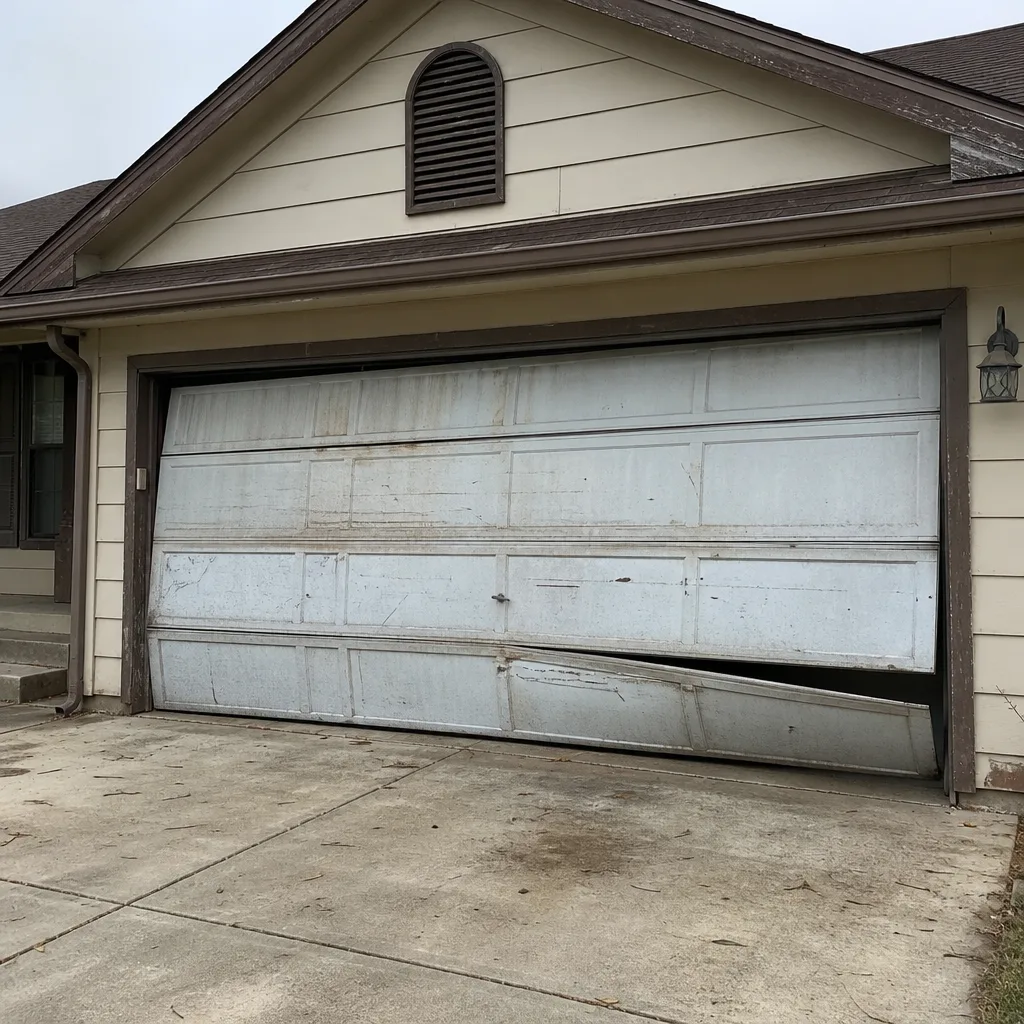 Before
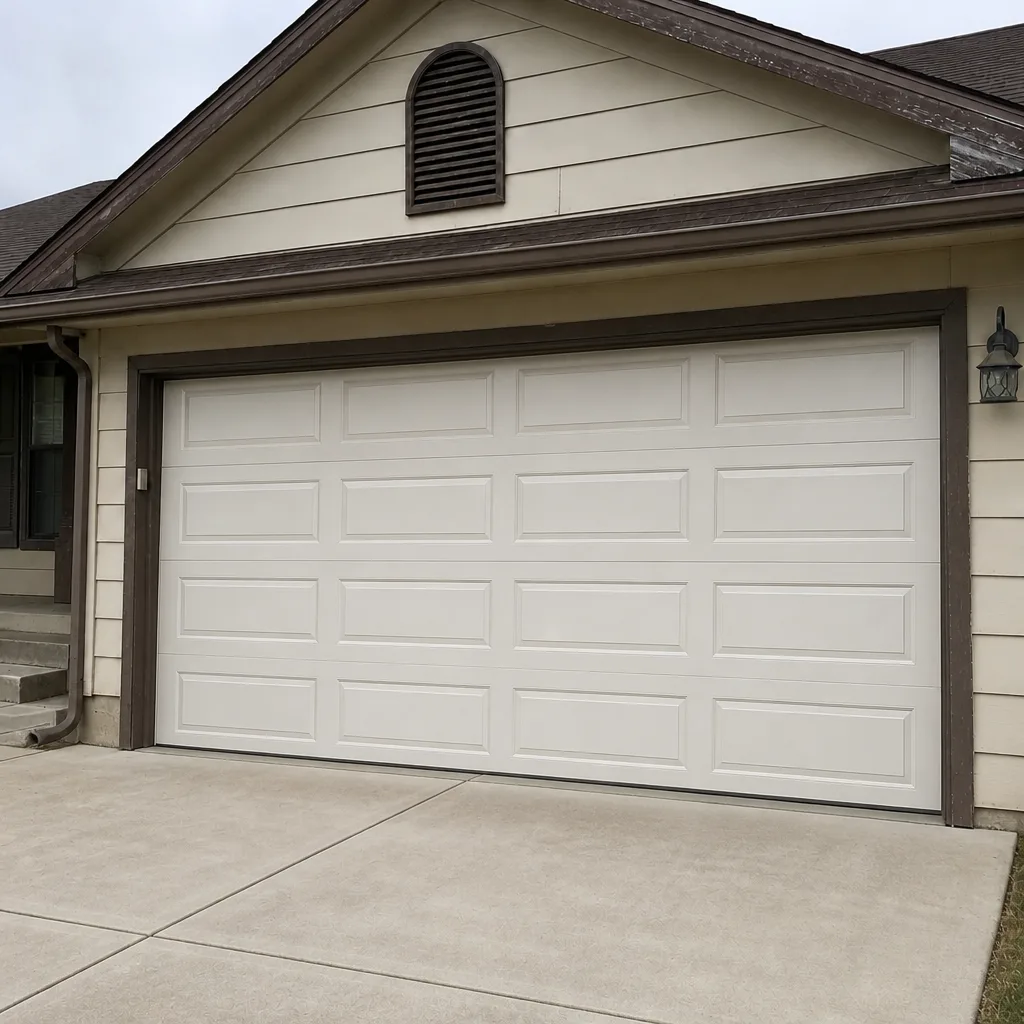 After
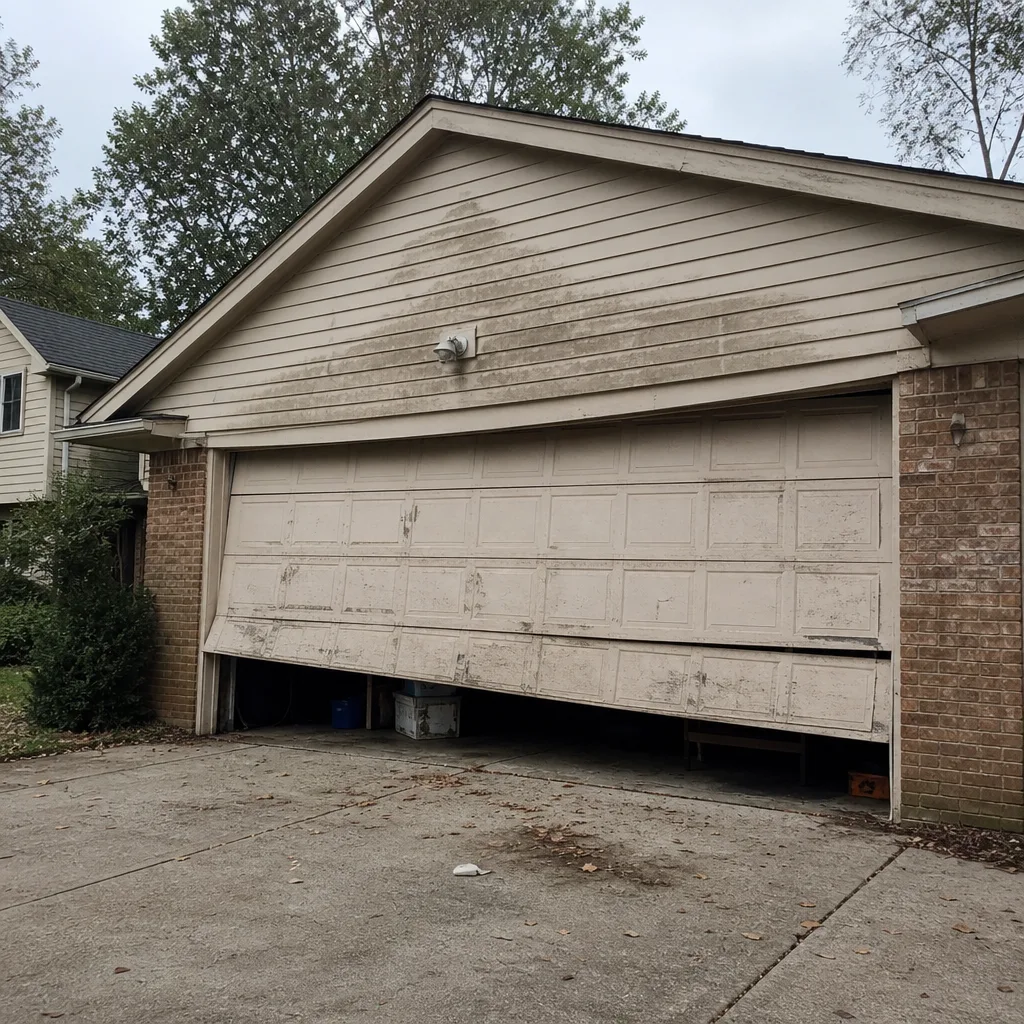 Before
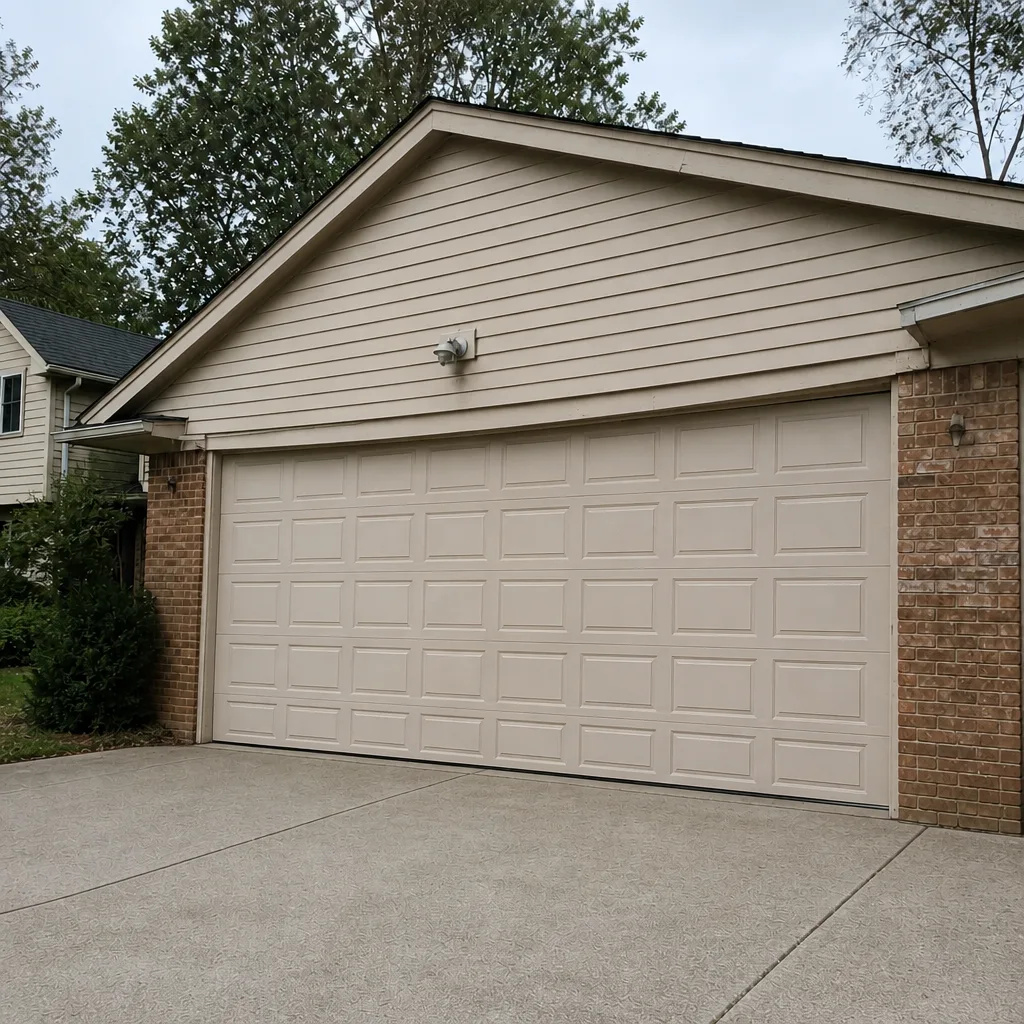 After
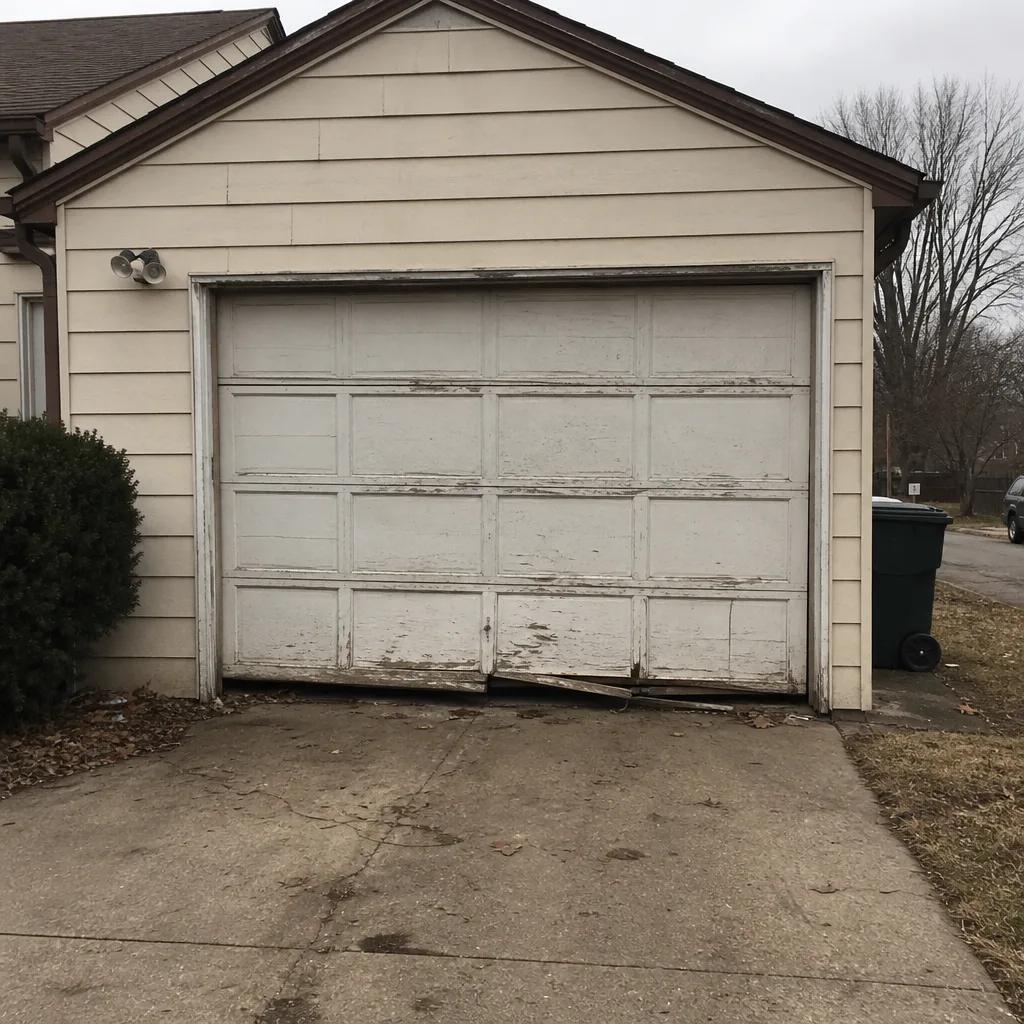 Before
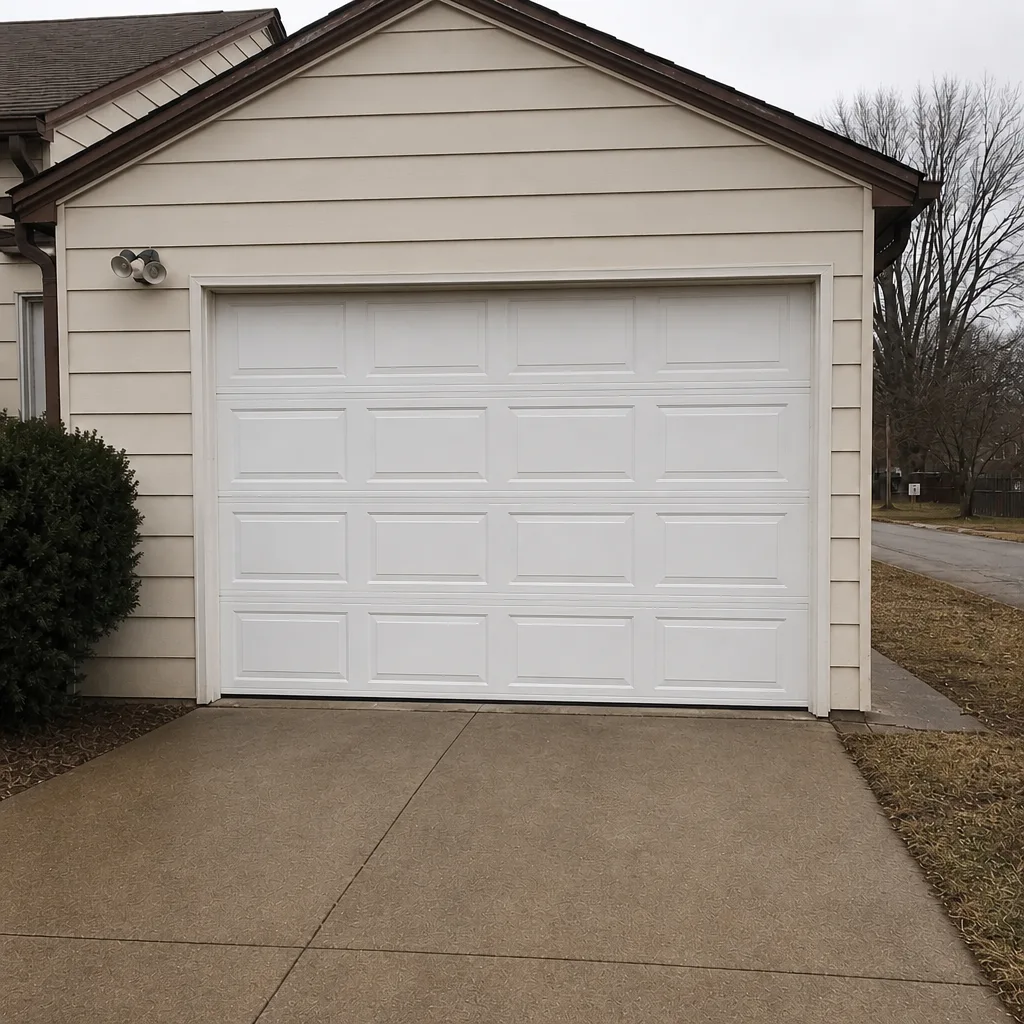 After