
Last updated November 22, 2026
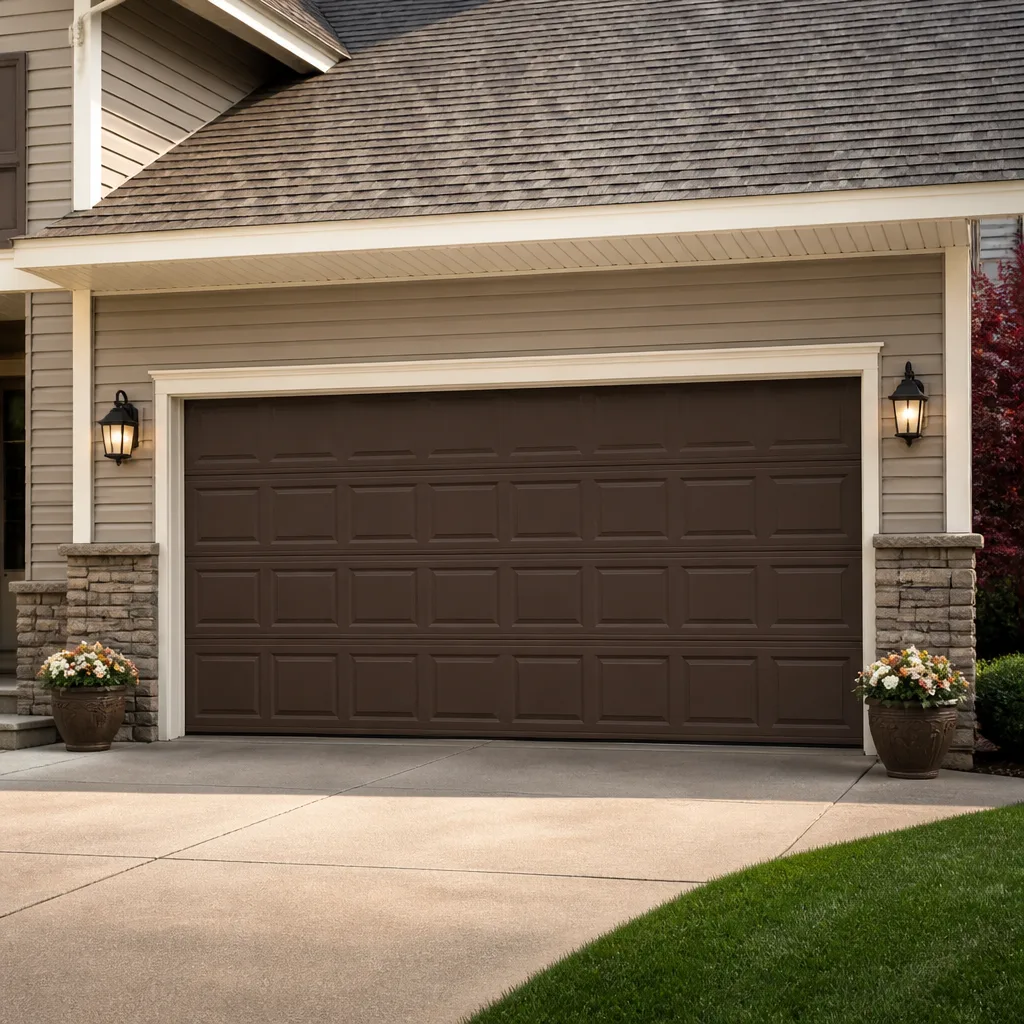 Raised-panel steel
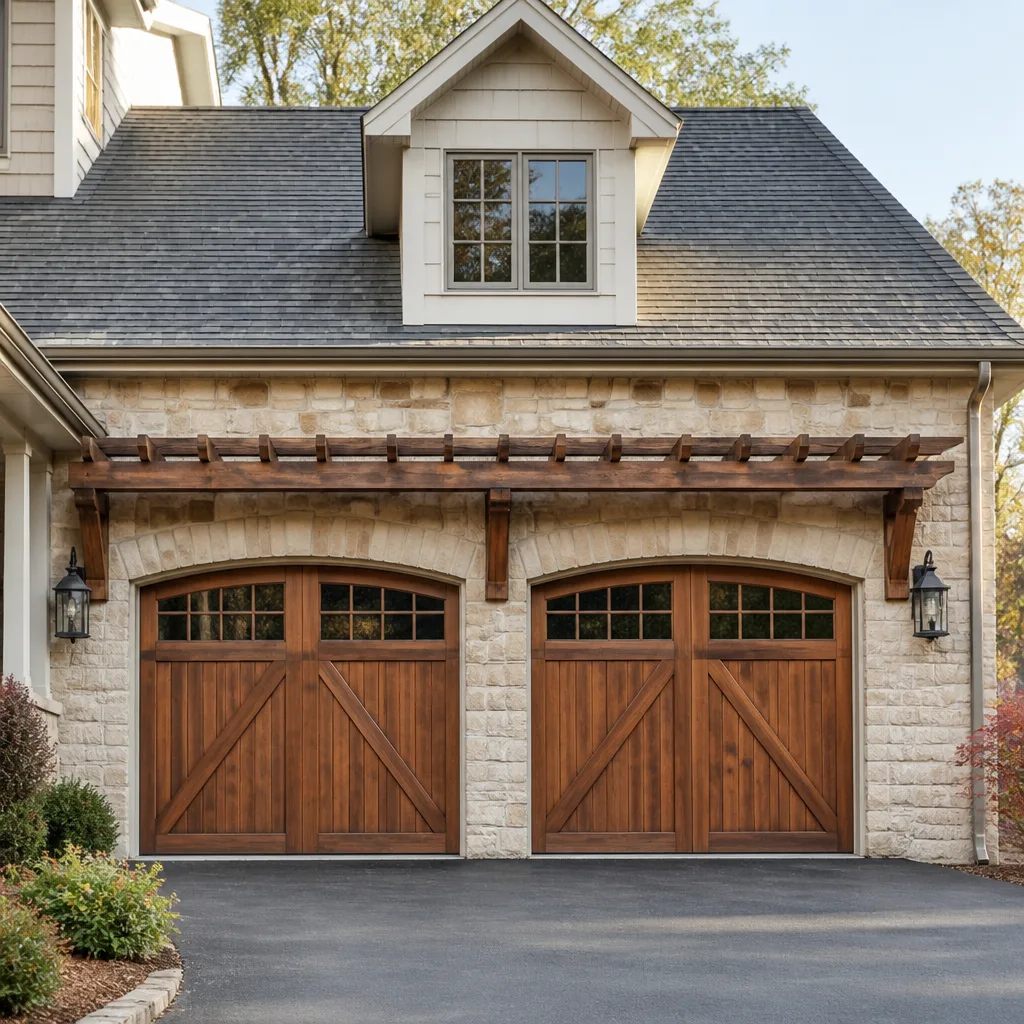 Carriage house
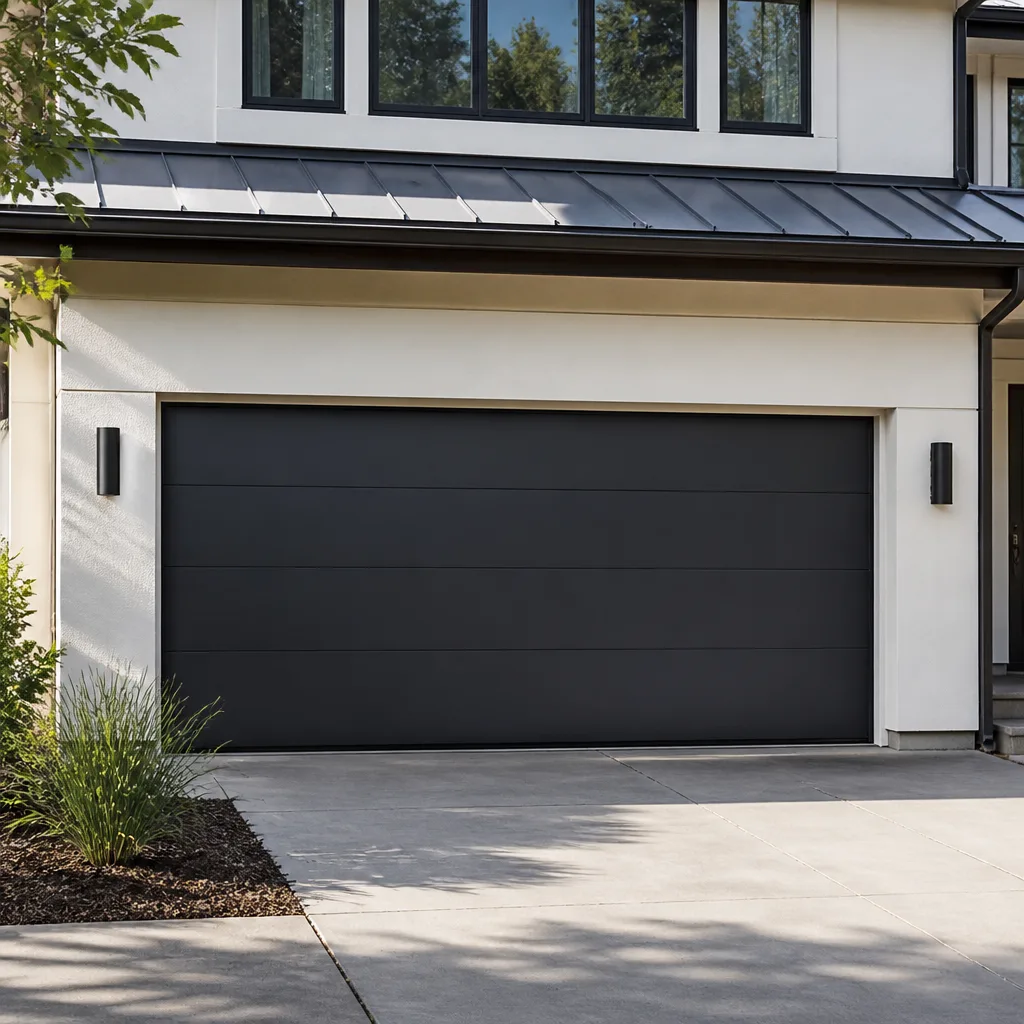 Modern flush
 Full-view glass
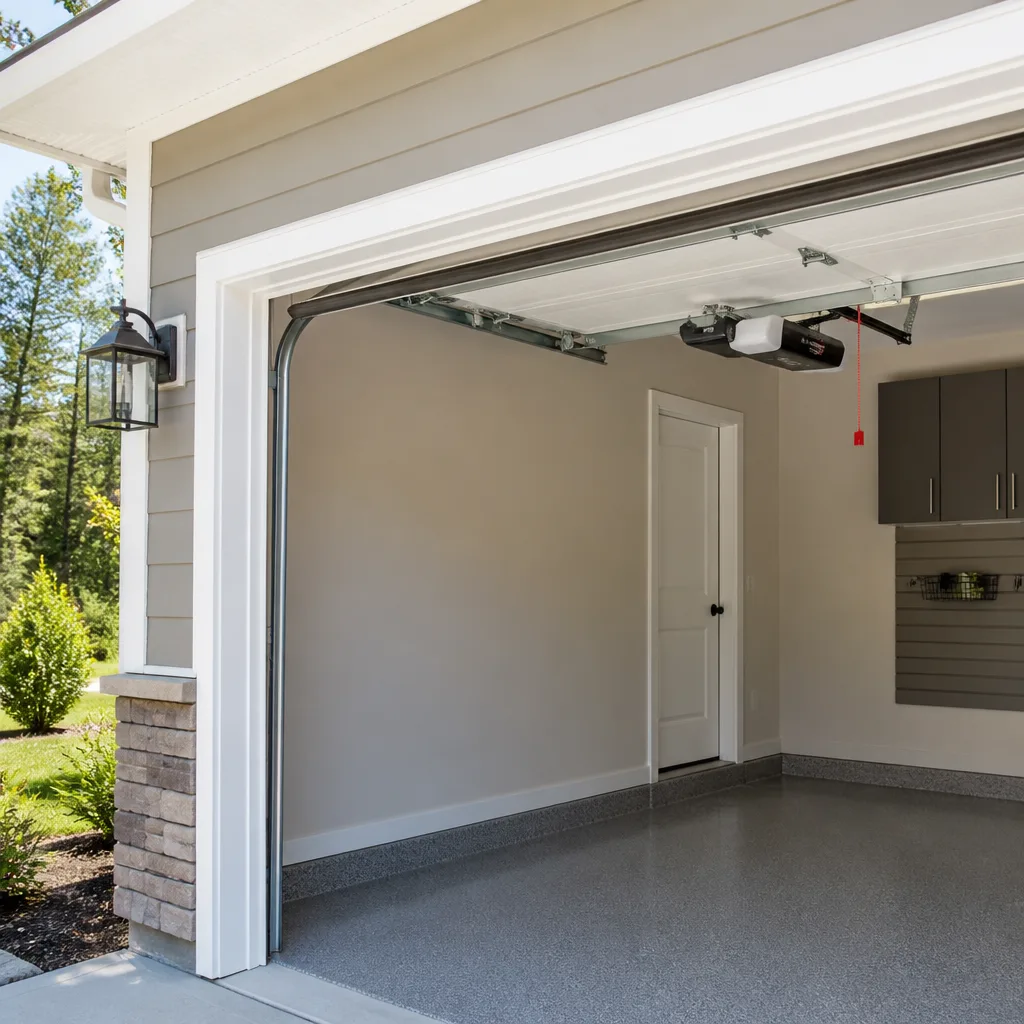 LiftMaster openers
 Chamberlain openers
Full 25-point door and opener safety check with every visit - springs, cables, rollers, tracks, and your LiftMaster or Chamberlain opener included
You get a price before we start. It does not change when the pro arrives.
Get your free estimateGarage Door Emergency Preparedness Guide for Coon Rapids Homes
Most homeowners think a stuck garage door is a nuisance, not an emergency. In Coon Rapids, that assumption is wrong about four months out of the year. A door frozen to the floor at 6 AM on a January morning while the car sits inside is a safety situation, and what you do in the first ten minutes decides whether it stays a repair or becomes a replacement. Two of the three moves people make in that moment will bend a panel, strip an opener gear, or hurt someone. We wrote this guide so the third move is the one you already know. It covers how to diagnose the failure, how to use the emergency release without wrecking your opener, how to run the door by hand during an outage, and how to prepare before the freeze, with the cold-climate realities that matter on Coon Rapids streets.
Styles & brands we work with
- Raised-panel steel
- Carriage house
- Modern flush
- Full-view glass
- LiftMaster openers
- Chamberlain openers
Quick Answer
If your garage door won’t open or close in Coon Rapids, first work out which of three things happened: a broken spring, a jammed door, or a door frozen to the ground. A frozen door can often be freed carefully from outside. A jammed door should not be forced. A broken-spring door must never be opened by hand. Call (833) 509-5386 for emergency service. We answer 24/7, with fast dispatch from 7am to 7pm, Sunday through Friday. Never force a door you don’t yet understand.
Table of Contents
- How Do You Know What Went Wrong With Your Door?
- The Manual Release Cord: How to Use It Without Damaging Your Opener
- Is Your Door Frozen, Jammed, or Spring-Failed?
- What to Do While You Wait for a Technician
- Power Outage Protocol: Running and Securing the Door by Hand
- Pre-Winter Prep: Two Jobs That Prevent the Most Common Emergency Calls
- Common Mistakes to Avoid
- When to Call a Professional
- Frequently Asked Questions
- The Bottom Line
How Do You Know What Went Wrong With Your Door?
The answer to a stuck door starts with a sound and a look, not a tool. Garage door failures in Coon Rapids fall into a handful of categories, and the category tells you which move is safe. A door that suddenly drops partway and hangs crooked was almost certainly a spring. A door that stays put but sounds strained or grinds as it tries to move has an opener or track problem. A door that won’t budge at all after a cold snap is likely frozen to the floor. Learn to tell them apart before you touch anything.
Here is what to run through when the door won’t work. Do it from outside the garage where you can, with the opener switched off and the door in view:
- Listen to the opener. If it runs and hums but the door doesn’t move, the motor is fine and something is disconnected or the door is bound up. If it clicks and stops, you may have a logic or safety-sensor issue.
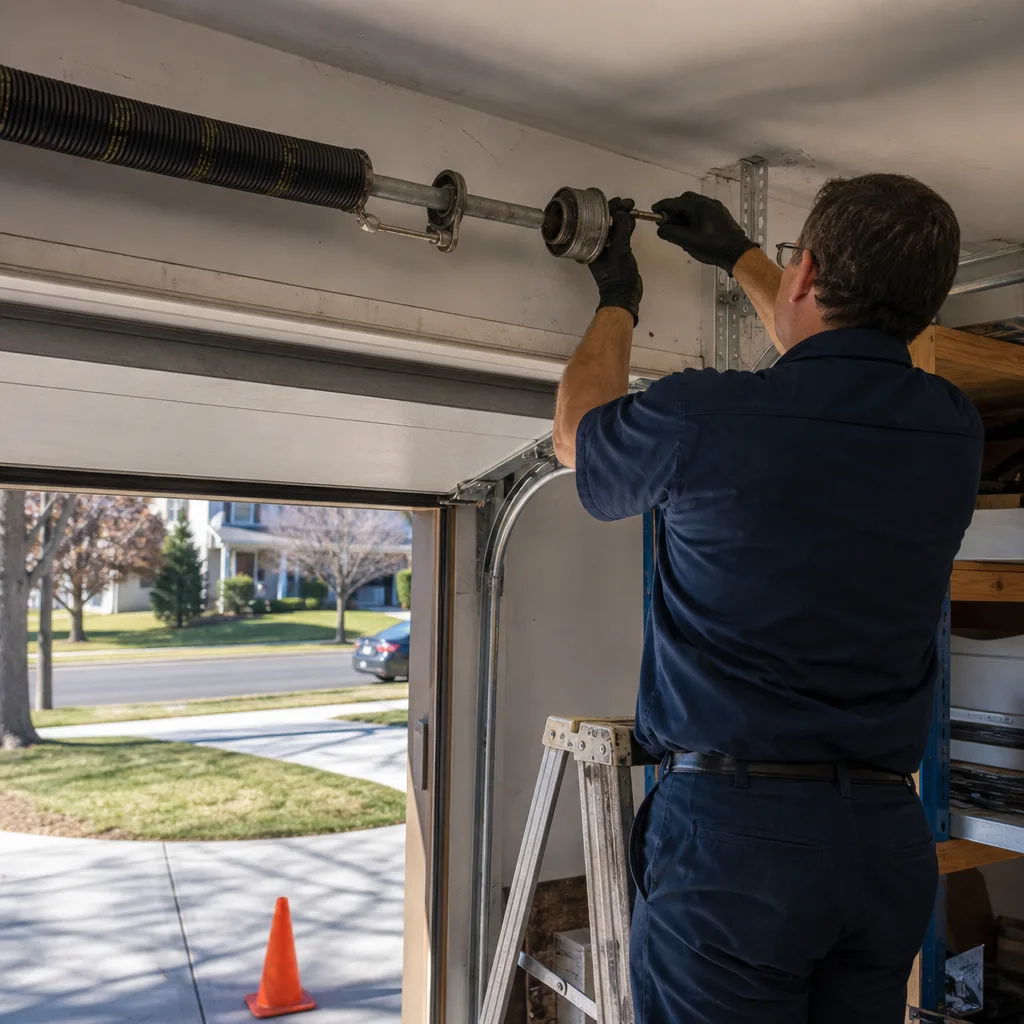
- Look at the springs. The springs are balanced overhead: either coiled at the top of the door (torsion) or stretched alongside the tracks (extension). A torsion spring that’s snapped shows as a clean gap in the coil. An extension spring that’s failed is visibly stretched or hanging.
- Check the safety sensors. The small eyes near the floor on each side of the opening should be lit and aimed at each other. A bumped sensor is one of the most common false alarms and shows up as a door that goes partway down, then reverses.
- Test the floor seal. Look all along where the door meets the ground. A frozen door has a thin bond along the floor and the door won’t lift even with help. A jammed door has a bent track, a roller off its rail, or debris in the way.
- Try the wall button once, then stop. If you get no movement after one attempt, do not repeat it. Cycling a damaged door loads the opener and the springs harder each time.
If step four shows a broken spring, stop here and read the release-cord section before you touch the door. For the wider repair picture, our page on garage door repair covers the components and how they fail. Our technicians have up to 14 years of experience, so a fast phone call with the symptoms you found usually points to the right fix before anyone arrives.
The Manual Release Cord: How to Use It Without Damaging Your Opener
The manual release cord is the red rope hanging from the opener rail. It disconnects the door from the opener motor so you can move the door by hand. Used correctly, it’s your key to getting the car out and securing the house. Used wrong, it can let a door slam shut, burn out the opener carriage, or drop the door onto someone. That’s the risk most people don’t know about.
Here is the safe sequence, and the reasons behind it. Do this only when the springs are intact. We’ll say it plainly: if a spring is broken, do not use the release cord and do not lift the door by hand. A door with a broken spring is unbalanced, weighing far more than you can control, and can fall. Call us and let a trained technician handle it.
When the springs are fine, here’s how to pull the release safely:
- Close the door fully first. The release is safest when the door is down and resting on the floor, so nothing is suspended.
- Pull straight down and hold. Pull the cord firmly downward until the carriage disengages with a click. Don’t yank sideways or twist the rope.
- Test the door gently. Lift it a foot and let go slowly. With the springs balanced, the door should feel light and stay roughly where you leave it.
- Move the door by the bottom section, slowly. Keep your hands away from the hinges, the rollers, and the space between the door and the frame.
- Re-engage before the next motorized use. See the power outage section for how to reconnect the carriage correctly.
The single biggest mistake is pulling the release while the door is open overhead with a broken spring. That’s the move that drops a door. The second biggest mistake is lifting the door by the release cord instead of the bottom panel. The cord is a switch, not a handle. When in doubt, leave it alone and call for emergency service. We’ll break down the spring-safety side of this on the garage door spring repair page.
Is Your Door Frozen, Jammed, or Spring-Failed?
Diagnosis is the whole game. Three different problems, three different safe responses. Get the diagnosis right and you avoid the classic mistake of treating a frozen door like a mechanical jam and prying it loose, or treating a broken spring like a frozen door and forcing it up. Here’s how to read each one.
Frozen to the ground. Common after an overnight freeze, freezing rain, or a melt-and-refreeze cycle, all of which happen in Coon Rapids. Clues: the door ran fine the day before, there’s ice or a wet line at the base, and the door won’t lift even with a firm hand. The fix is gentle heat from outside: warm the floor seal along the bottom with a hair dryer or warm (not boiling) water, working along the base in short sections. Never chip at the ice with a shovel or pry the door up with a bar. Both bend the bottom panel and the track.
Mechanically jammed. Clues: the door ran and stopped partway, a grinding or scraping sound, a bent vertical track, a roller out of its rail, or an object caught in the opening. Do not force it. Forcing a jammed door can snap a roller or panel and turn a small repair into a large one.
Spring-failed. Clues: a loud bang from the garage at the moment of failure, a door that feels extremely heavy, a visible gap in the torsion spring, or a door that drops and hangs crooked. This is the one where the answer is a call, not a workaround. The springs do the heavy lifting, and when one fails, that weight is on the door and on you.
Our short version, for the fridge door:
- Frozen: heat the base from outside, gently.
- Jammed: don’t force it, clear the obvious and call.
- Spring-failed: never lift it by hand, call in.
If you have any doubt, treating a stuck problem as a “call us” problem is the safe default. Coon Rapids Garage Door Repair specializes in spring repair because it’s the single most dangerous part of the door, and the technicians who handle it treat it that way.
What to Do While You Wait for a Technician
Most of the damage in a garage door emergency happens in the waiting period, not at the failure. The door is already broken; the homeowner trying to “help” is what turns a repair into a replacement. Here’s what to do and what to leave alone between the call and the technician’s arrival.
Do these things for everyone’s safety:
- Secure the opening if the door is up. If the door is stuck open, block access to the garage from outside and keep children and pets out. Lock the entry door between the house and garage.
- Move vehicles and people clear of the door. Don’t park under an open door with a questionable spring, and keep everyone back from the tracks and springs.
- Leave the opener switched off. Don’t keep hitting the wall button or the remote to see if it works. Each try stresses the springs and the opener.
- Note the symptoms. When you call, tell us what you heard, what you saw, and what the door is doing. It helps us send the right technician with the right parts.
And do not:
- Don’t try to lift or straighten a heavy door by hand.
- Don’t cut or bend the tracks to free a roller.
- Don’t touch the springs, wind them, or take the winding bars to them.
- Don’t let a helpful neighbor “take a look” at the springs.
We work on the door and opener brands you’re most likely to have, including LiftMaster, Chamberlain, and Clopay, so a parts match is quick once we know what’s wrong. Our broader Coon Rapids garage door repair service covers everything from a stuck door to full installations, so one call starts the right process.
Power Outage Protocol: Running and Securing the Door by Hand
An extended power outage in Coon Rapids, from a winter storm or a line fault, leaves you with a garage door you can’t open from the button. You can still get in and out, and you can still secure the house. The manual release is the tool, and re-engaging it correctly when the power returns is the part people get wrong.
To operate the door manually during an outage:
- Confirm the springs are intact first. Release only a door with working springs.
- Close the door fully, then pull the release cord straight down. You’ll hear the carriage disengage.
- Lift by the bottom section, slowly, to the height you need. Move your body out of the door’s path as you lift.
- Lower it fully when you’re done. Don’t leave the door partway up and unattended.
To secure the house while you’re away or overnight: lower the door fully and lock it. Many doors have a manual slide lock or a lock bar that engages the track. Some openers lock via the rail. With the door down and any slide lock engaged, the door stays put. Don’t rely on the opener to hold a disengaged door.
When power returns, re-engage the opener like this, and do it before you use the button:
- Close the door fully by hand.
- Pull the release cord once more to reset the carriage into the connect position. Or run the opener momentarily to move the carriage into alignment with the door arm, then pull the release to reconnect.
- Listen for the click. Push the door up a few inches by hand to confirm it’s re-engaged. If it moves freely with the carriage, it isn’t connected; try again.
- Test with the wall button at the lowest speed or shortest travel. Confirm the door stops and reverses properly on the safety sensors.
If re-engagement fights you, don’t force it. That’s when opener parts get damaged. Call for garage door opener repair. Genie and Chamberlain openers re-engage the same way as most residential units, but the carriage release position varies, so check your owner’s manual if it won’t catch.
Pre-Winter Prep: Two Jobs That Prevent the Most Common Emergency Calls
Most winter garage door emergencies in Coon Rapids don’t come out of nowhere. They’re predictable, and two prep jobs before the first hard freeze prevent the majority of them. Neither is complicated. Both are far easier than a January morning spent stuck with the car inside.
Prep job one: the balance and spring check. With the door disconnected from the opener (springs intact), lift the door halfway and let go. A properly balanced door stays roughly in place. A door that drops or races up has a spring that’s losing tension, and it won’t get better with cold. Before winter, have the springs inspected, the door balanced, and any worn parts addressed. This is the single biggest call-avoider. Cold makes brittle springs more likely to fail at the worst time, and a pre-winter check catches the ones already on the way out.
Prep job two: weatherproof the base and the tracks. A frozen door usually starts with moisture at the floor seal. Clear snow and ice from the base of the door, and check that the bottom seal is intact, flexible, and making contact all the way across. A worn bottom seal lets water pool and refreeze. Lubricate the rollers and the track lightly so the door moves freely in cold. Confirm the safety sensors are clean and aimed, since ice and road grime on the lens is a frequent false-alarm cause in Coon Rapids.
If you’d rather have these checked by someone who does this all day, that’s what we’re here for. Our technicians have up to 14 years of experience with winter garage door issues in Coon Rapids, and a pre-winter visit can catch a failing spring before it leaves you stranded. Coon Rapids homes take a real beating from the freeze-thaw cycle, and a little prep goes a long way.
Common Mistakes to Avoid
- Pulling the release cord with a broken spring. That’s the move that lets a heavy door drop. If the spring is gone, leave the door alone and call.
- Hitting the opener button over and over. Each attempt strains the opener and any failing springs. One try to confirm the symptom, then stop.
- Prying a frozen door with a shovel or bar. It bends the panel and the track. Warm the base gently from outside instead.
- Chipping ice out of the track with a tool. Tracks are easy to bend and hard to straighten. Clear snow around the base, not inside the track.
- Letting a neighbor touch the springs. Garage door springs are under high tension and are not a DIY job, no exceptions. We’ve seen how quickly a well-meant attempt turns dangerous; leave them to trained technicians.
- Ignoring a door that sounds wrong before winter. Grinding, a door that feels heavy, or one that reverses partway are early warnings. Addressing them in fall is cheaper than a January emergency in Coon Rapids.
- Re-engaging the opener without testing it. A carriage that seems connected but isn’t will let the door drop when you hit the button. Test by hand first, then the button.
When to Call a Professional
Call us when the door won’t move and you’ve run the diagnosis and either a spring is broken, the door is jammed, or you can’t tell what’s wrong. Call when the door is stuck open and the house is exposed. Call when an opener runs but the door doesn’t, or the door reverses partway down. Call when the re-engagement won’t catch. All of these are situations where forcing it makes it worse, and where a trained technician gets you sorted fast. Coon Rapids Garage Door Repair offers free estimates in Coon Rapids. Call (833) 509-5386. We answer 24/7. Fast dispatch from 7am to 7pm, Sunday through Friday. A call outside dispatch hours is booked into the next opening.
Frequently Asked Questions
Before anything else, work out whether the door is frozen to the ground, jammed, or spring-failed, because each needs a different response. A frozen door can be warmed gently from outside. A jammed door should be left alone. A spring-failed door must never be lifted by hand. Then call for emergency service. Call (833) 509-5386 for an exact quote; estimates are free.
No. If a spring is broken, do not use the manual release cord and do not lift the door by hand, because the door is unbalanced and can fall. The springs do the heavy lifting, and without them the door is far too heavy to control safely. Call a trained technician. Call (833) 509-5386 and we’ll take it from there.
If the door ran the day before, there’s ice or a wet line along the bottom, and it won’t lift even with a firm hand, it’s frozen. Warm the floor seal with a hair dryer or warm water from outside, working along the base in short sections. Never pry it with a shovel or bar. If it still won’t free, call us.
With the door fully closed, pull the release cord to reset the carriage, or run the opener briefly to bring the carriage into alignment with the door arm, then reconnect. Listen for the click and test by hand before using the button. If it won’t catch, don’t force it. Call (833) 509-5386; it’s often a quick fix when we see it.
No. Garage door springs are under high tension and are the most dangerous part of the door. A DIY attempt can cause serious injury even with the door seemingly under control. This is a job for trained technicians. Call (833) 509-5386; we handle spring repair as a specialty.
Yes, for urgent repairs we offer same-day service. Call (833) 509-5386. We answer 24/7. Fast dispatch from 7am to 7pm, Sunday through Friday. A call outside dispatch hours is booked into the next opening.
The Bottom Line
A garage door emergency in Coon Rapids is manageable if you know the three categories: frozen, jammed, and spring-failed. Warm a frozen door gently. Don’t force a jammed one. Never lift a spring-failed door or pull its release. Use the manual release only when the springs are intact, re-engage it carefully when power returns, and prep before winter with a balance check and a weatherproof seal. The peace of mind isn’t in a gadget or a workaround; it’s in knowing the right move in the first ten minutes, and having a number to call when you need one. That’s what keeps a broken door a repair and not a replacement.
Need help now? Coon Rapids Garage Door Repair offers free estimates in Coon Rapids. Call (833) 509-5386. We answer 24/7. Fast dispatch from 7am to 7pm, Sunday through Friday.
Written by the team at Coon Rapids Garage Door Repair.
See the difference
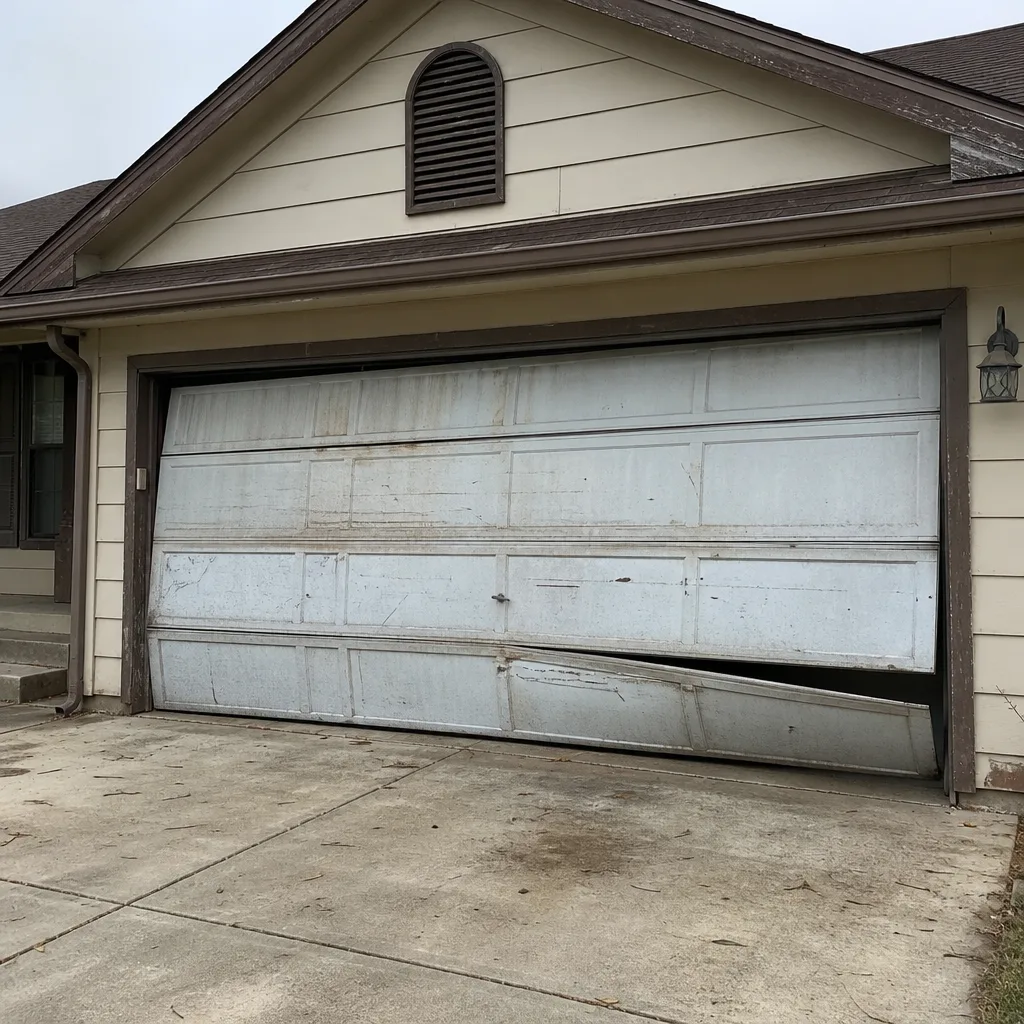 Before
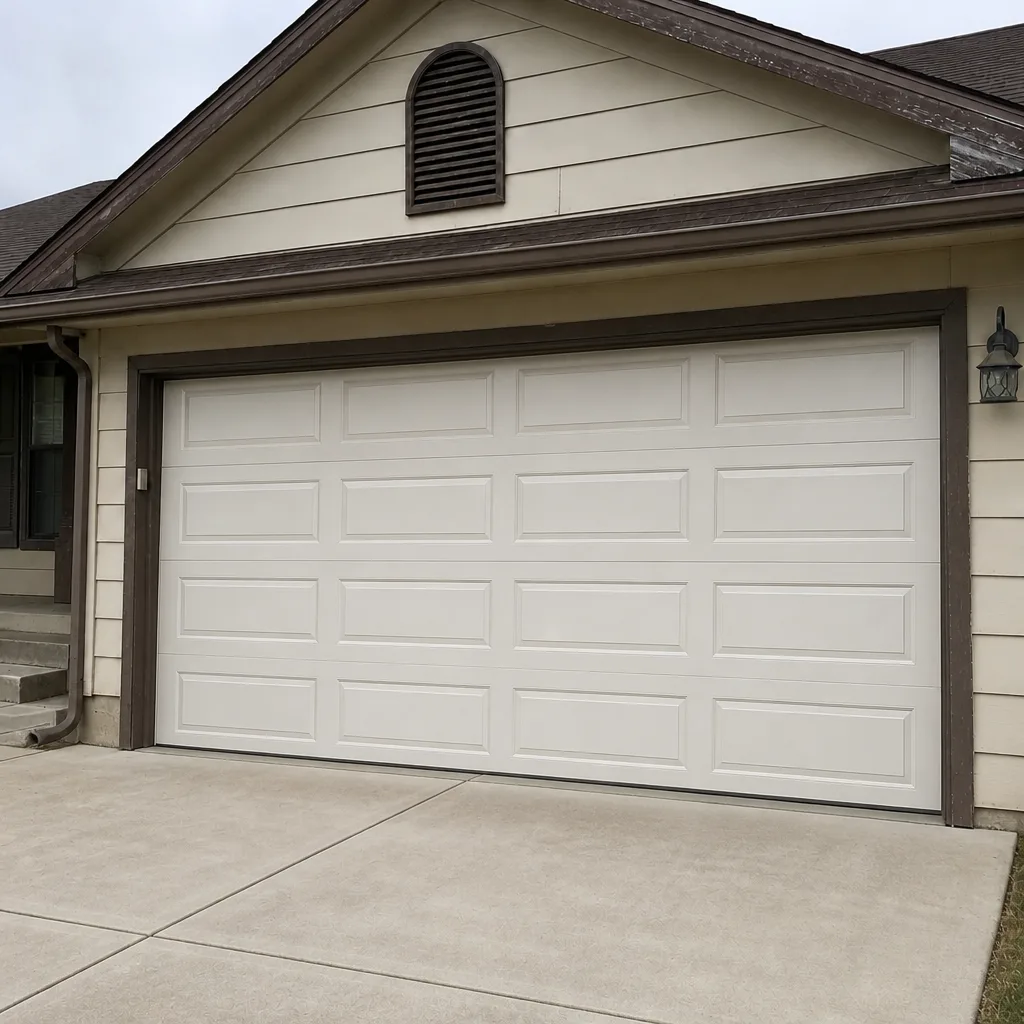 After
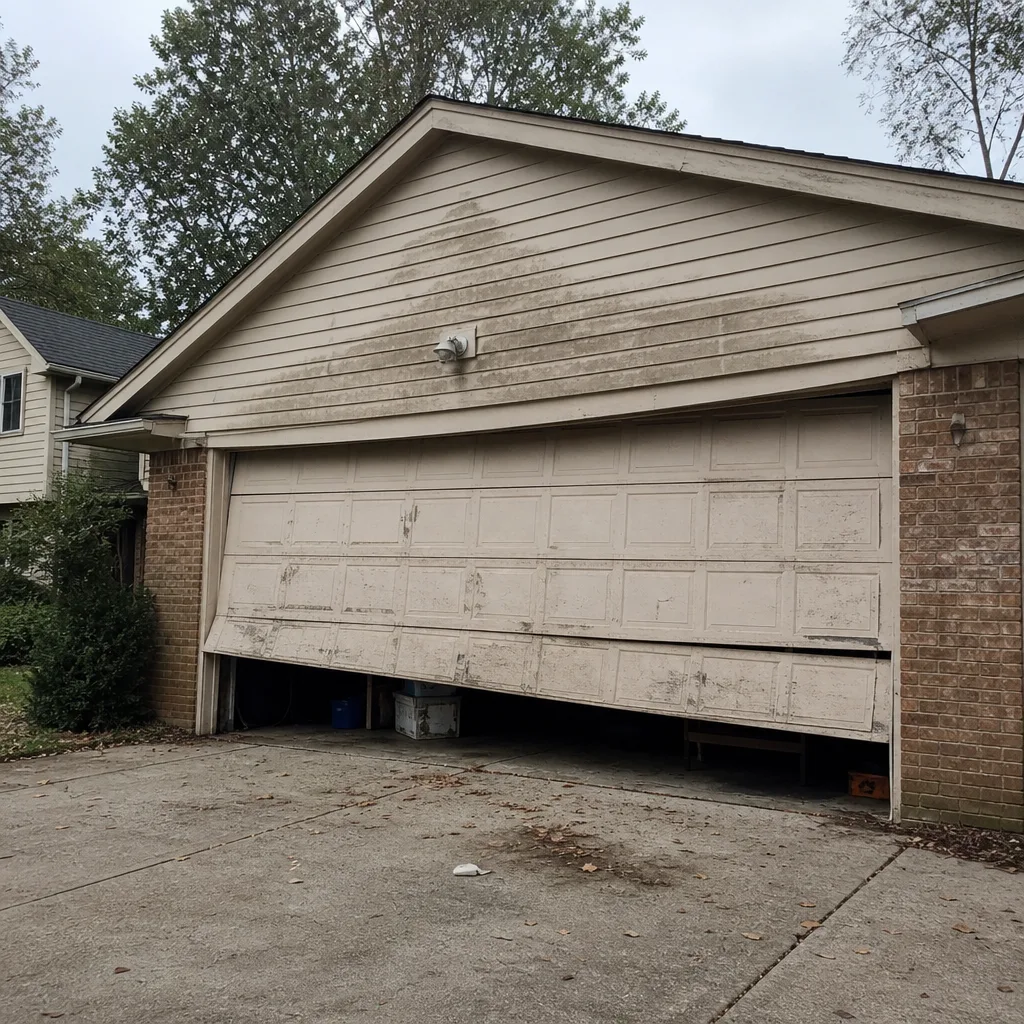 Before
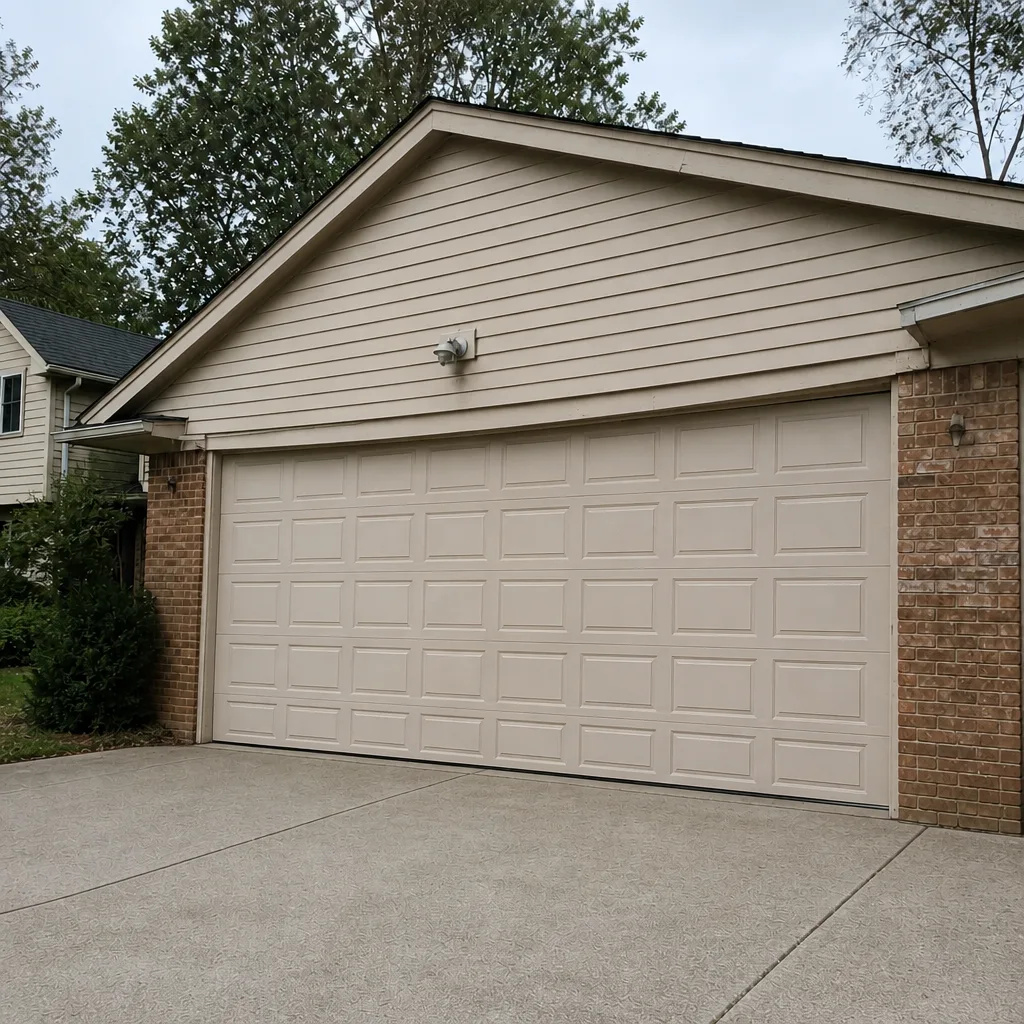 After
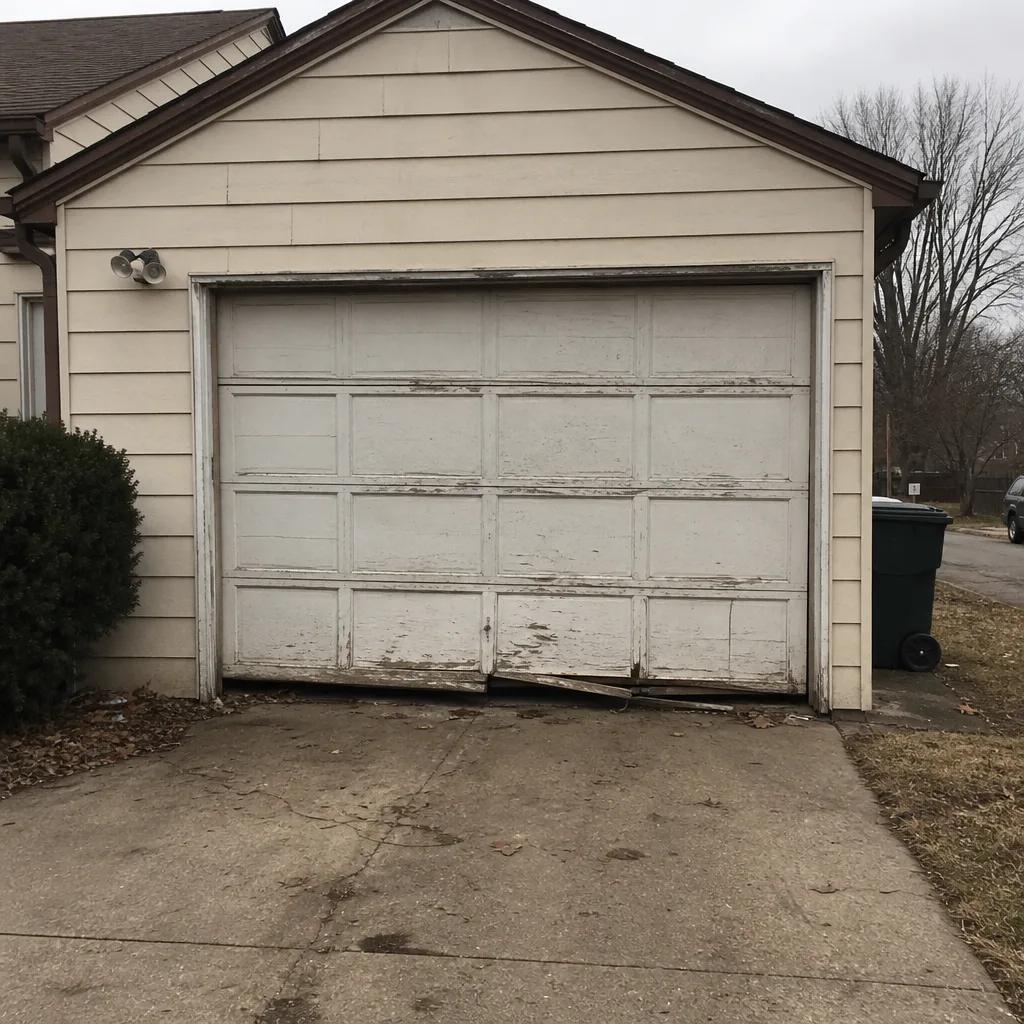 Before
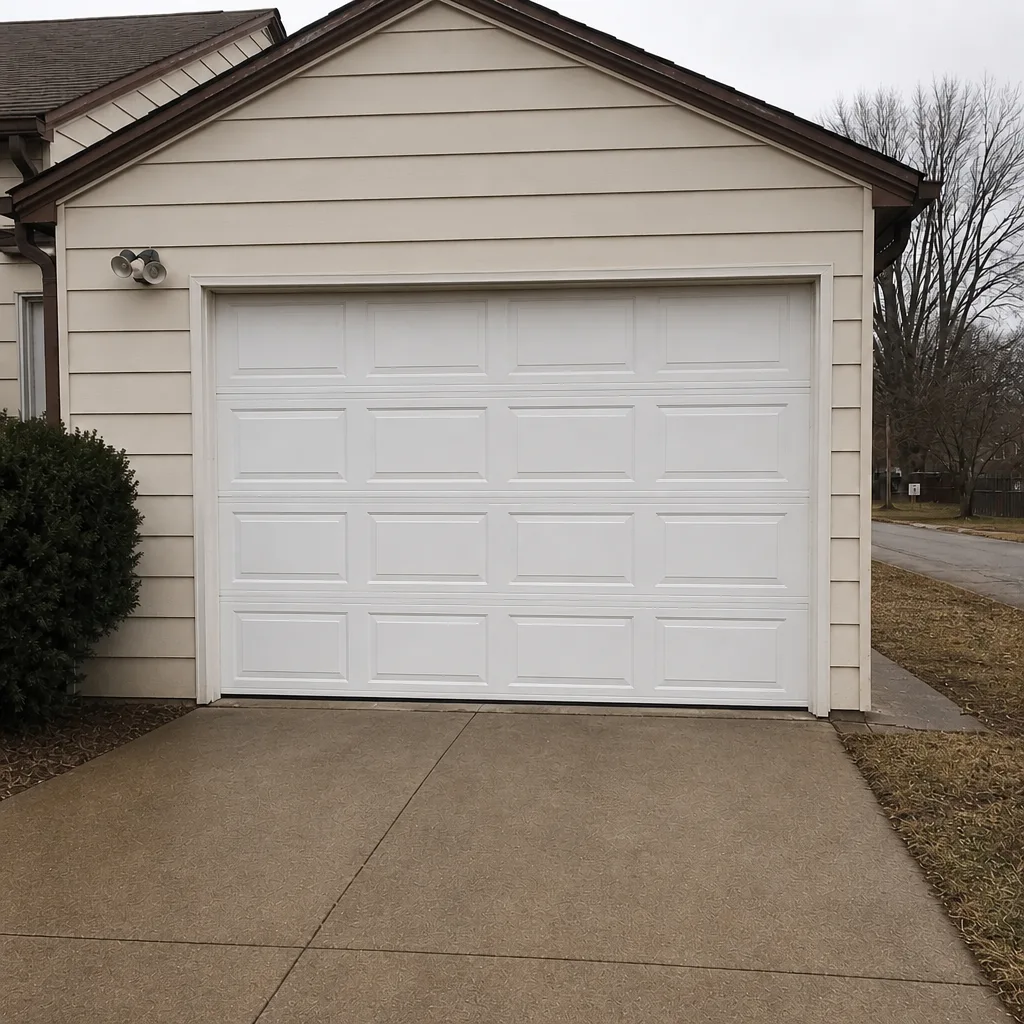 After