
Last updated November 22, 2026
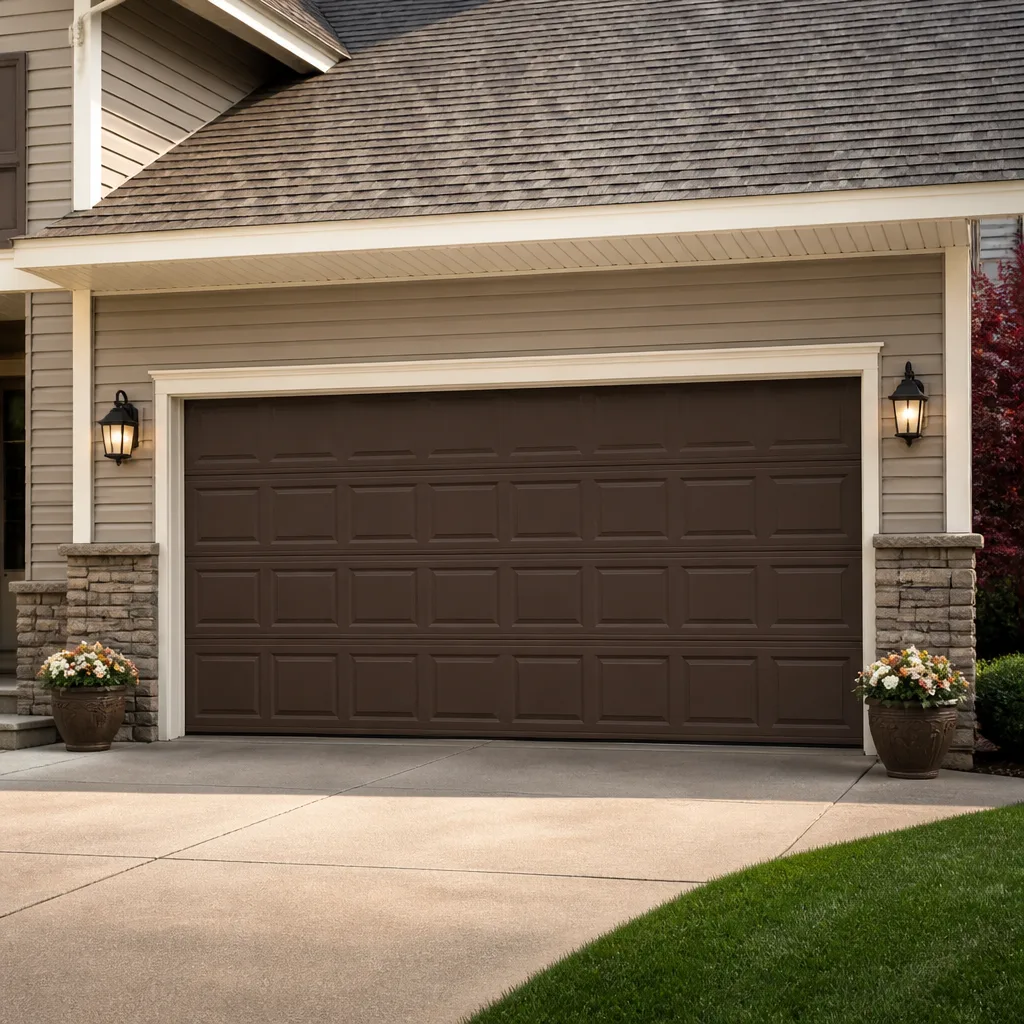 Raised-panel steel
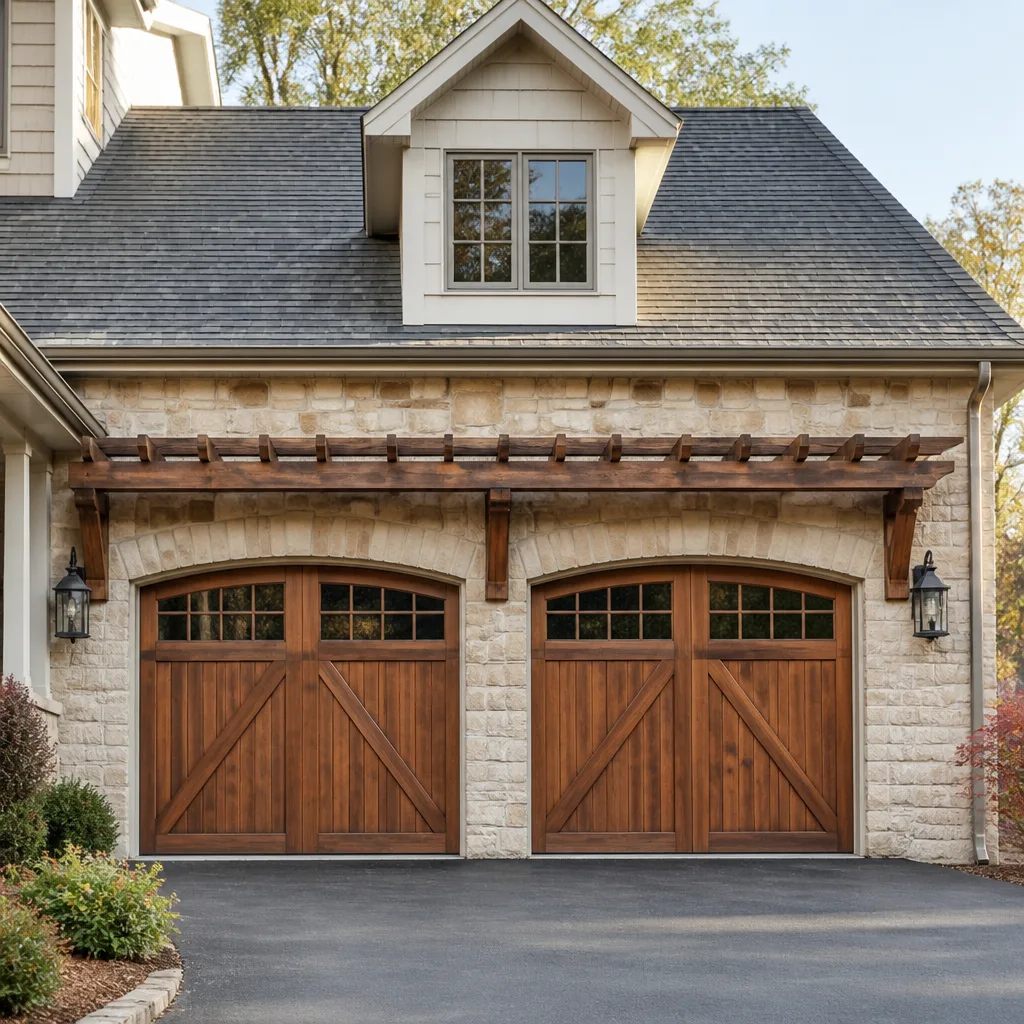 Carriage house
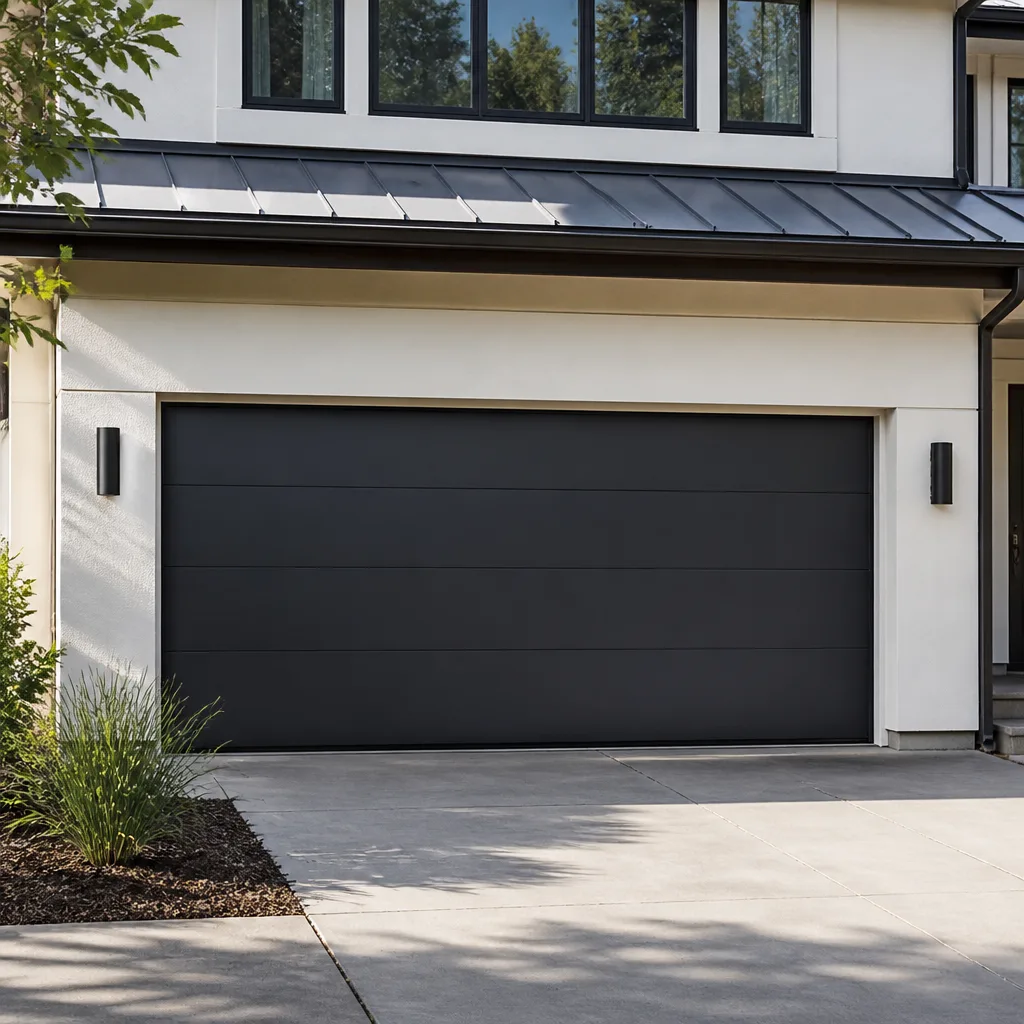 Modern flush
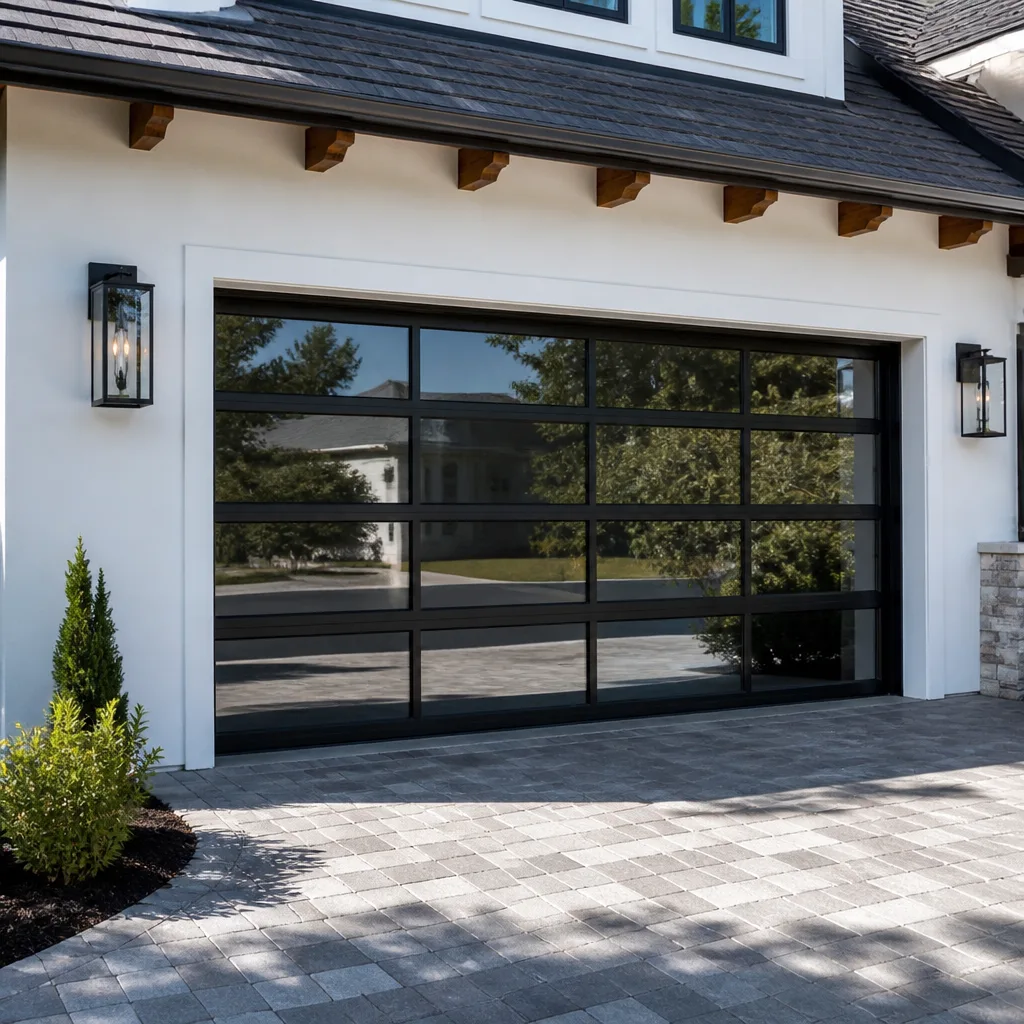 Full-view glass
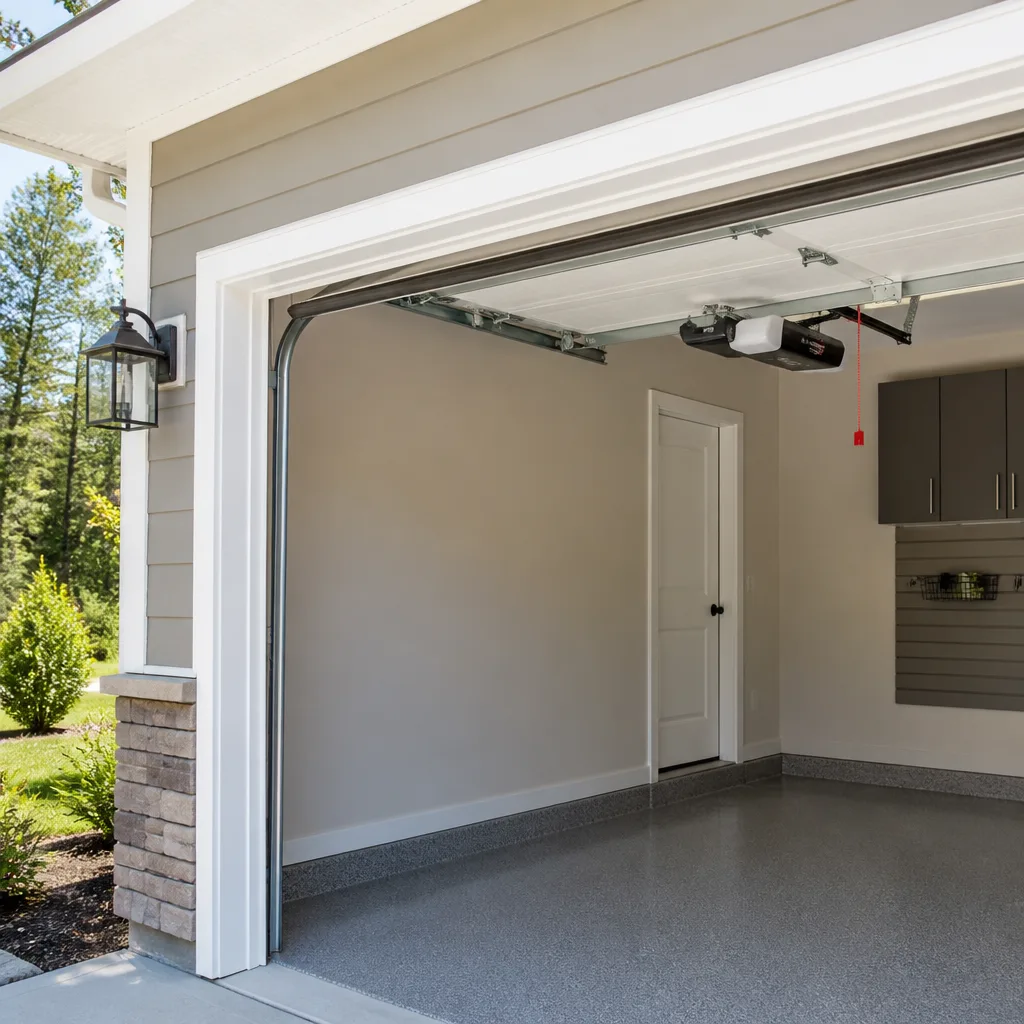 LiftMaster openers
 Chamberlain openers
Full 25-point door and opener safety check with every visit - springs, cables, rollers, tracks, and your LiftMaster or Chamberlain opener included
You get a price before we start. It does not change when the pro arrives.
Get your free estimateGarage Door Warning Signs: A Coon Rapids Homeowner’s Reference Guide
A torsion spring doesn’t snap without notice. It gives you weeks of signals first: a door that hesitates at the top, an opener that strains audibly, a door that won’t stay at half-height. The same is true for rollers, cables, hinges, and the opener itself. Almost every garage door failure we diagnose in Coon Rapids started as a small complaint the homeowner noticed but didn’t recognize. This guide covers the three sounds that mean something is about to fail, the visual signs of spring wear you can spot from the floor without touching hardware, a 30-second test that separates an opener problem from a mechanical bind, and the weather-seal clues that show up in your energy bill before they show up on the door. Learn these signals and you’ll schedule a repair on your terms instead of discovering the problem when your car is trapped inside.
Quick Answer
The most reliable warning signs of an impending garage door failure are a door that hesitates or jerks during travel, an opener that strains or sounds louder than it used to, a door that won’t stay at half-height, visible spring wear such as gaps or stretching, and gaps around the weather seal. Catching any one of these early usually means a smaller repair. Waiting for the door to stop working entirely usually means a bigger one, plus a morning your car doesn’t leave the garage.
Styles & brands we work with
- Raised-panel steel
- Carriage house
- Modern flush
- Full-view glass
- LiftMaster openers
- Chamberlain openers
Table of Contents
- Three Sounds Your Garage Door Makes Before a Part Fails
- How to Spot Spring Wear from Ground Level
- Opener Strain or Mechanical Bind? A 30-Second Test
- What Each Movement Problem Usually Means
- Weather Seal Failure: The Signs Beyond Cracking
- Why Coon Rapids Weather Accelerates Certain Failures
- Common Mistakes to Avoid
- When to Call a Professional
Three Sounds Your Garage Door Makes Before a Part Fails
Sound is the earliest diagnostic tool you have, and most homeowners tune it out because the garage door is background noise. Listen on the next few cycles. Each sound pattern points at a different component.
1. A sharp bang or pop at the start of the cycle
That single loud report is the classic signature of a torsion spring breaking. By the time you hear it, the spring has already let go. The warning comes earlier: a spring under load sometimes makes a creaking or groaning sound on the first few inches of travel, especially in cold weather. That noise is the coils under stress talking. In Coon Rapids, where January mornings routinely drop well below freezing, we hear this complaint most often after the first hard cold snap of the season. If you’ve noticed a new groan on cold mornings, get the springs inspected before the bang.
2. A rhythmic squeak or grinding through the whole travel
A steady squeak that tracks with the door’s movement usually implicates the rollers and the hinges that carry them, or dry torsion hardware. Grinding that gets louder toward the top of the travel often points at a roller that has stopped turning and is dragging its shaft. This kind of wear is gradual and forgiving. Ignore it long enough and the roller can flat-spot or seize, and the door starts running rough and uneven. It’s one of the cheapest things to fix early and one of the more annoying things to fix late.
3. A low hum or strain from the opener that wasn’t there before
When the motor sounds labored but the door still moves, the noise implicates the opener’s drive system, the gear and rail assembly, or a binding door that’s overloading the motor. This is the sound that most often gets misread as “the opener is just getting old.” Sometimes that’s true. Sometimes the opener is fine and is fighting a door that needs adjustment. The 30-second test below tells you which. We work on LiftMaster and Chamberlain openers every week, and a surprising share of those calls end with a repair to the door rather than the motor.
If a noise has already turned into a failure and the door won’t operate, that’s when garage door repair moves from “schedule it” to “get it handled today.”
How to Spot Spring Wear from Ground Level
You don’t need to touch anything to catch most spring problems early. Stand back and look up. These are the ground-level visual signs of spring wear, in order of how obvious they usually are:
- A visible gap in the torsion spring coil. A torsion spring is supposed to be one continuous coil. A distinct separation anywhere along its length means the spring is fracturing and will fail.
- Stretching. Extension springs on either side of the door should look roughly matched in length and tension. One that hangs noticeably longer than the other, or sags, is losing its load.
- Rust streaks or a fresh dusting of dark residue on the spring coils or the shaft. Springs can shed fine debris as they fatigue. That’s a wear clue worth a professional look.
- A door that won’t lift to the same height it used to. If the same opener that used to raise the door all the way now needs an extra push or stops short, the spring has lost tension.
- The door feels heavy when you lift it by hand. A properly balanced door is light to lift. One that feels like it’s fighting you has a spring problem, and it’s the balance the spring is supposed to provide.
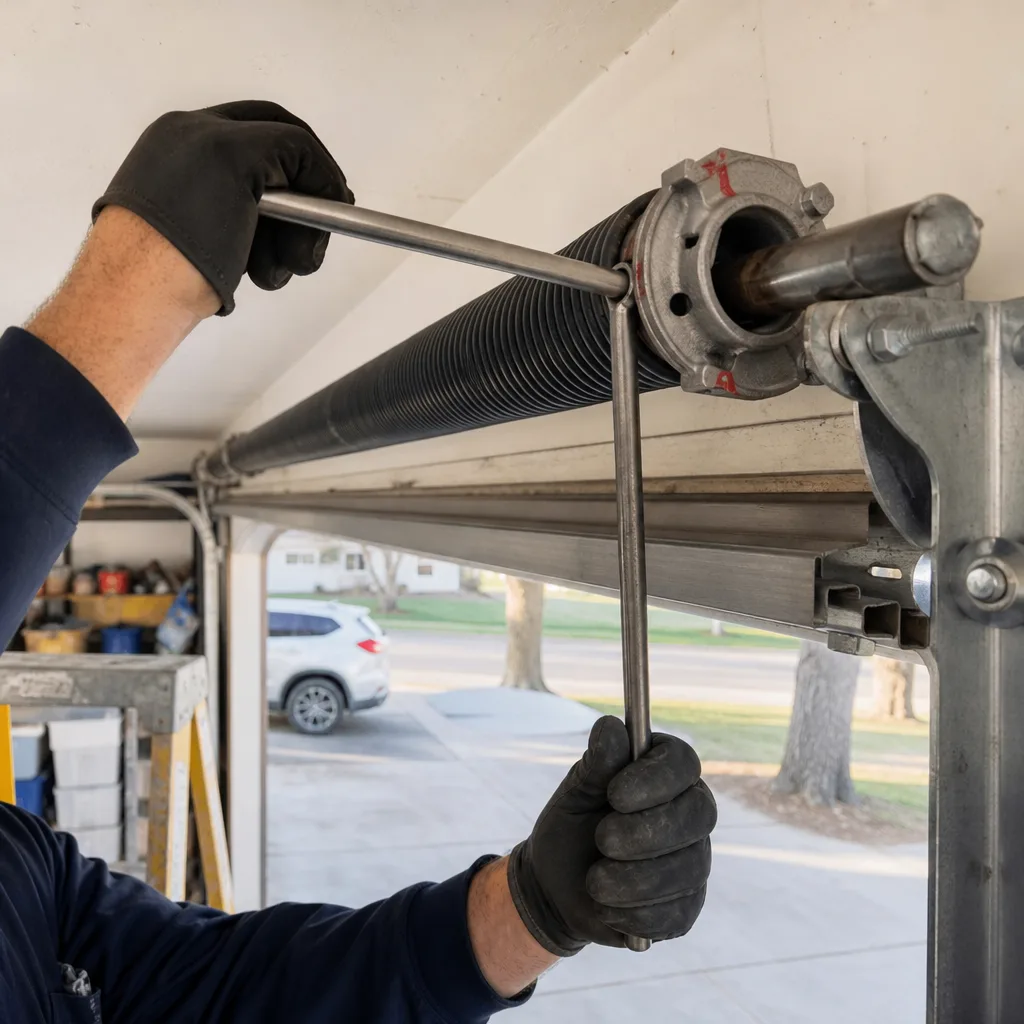
A word of safety here, and it matters. The torsion spring and the cables it works with are under extreme tension. Touching, adjusting, or trying to “help” a worn spring by hand is how serious garage door injuries happen. There is no safe DIY method for spring adjustment. This is exactly the work our technicians handle every day, and it’s why we treat garage door spring repair as its own specialty rather than a side task. Spring replacement done safely means trained hands, proper tools, and the door properly secured first.
Opener Strain or Mechanical Bind? A 30-Second Test
The single most useful diagnostic a homeowner can do without tools is the manual release test. It tells you in about half a minute whether the problem is the opener or the door itself. Here’s how it works:
- Close the door and pull the manual release handle on the opener trolley. The door is now disconnected from the opener and moves by hand only.
- Lift the door about halfway up by hand. A balanced door, with the springs doing their job, should feel relatively light.
- Let go at the halfway point. A healthy door stays right where you let go, balanced against its springs.
- Watch what happens. If the door drops or rises on its own, the balance is off. That’s a door and spring problem, not an opener problem. If the door holds but slides roughly or with resistance, that’s a mechanical bind. If it moves smoothly and quietly by hand, the door is fine and the opener is the likely culprit.
- Reconnect the door by closing it fully and engaging the release.
A door that falls when you let go is a genuine safety concern. Don’t keep running it through the opener, and don’t park underneath it. In our experience, Coon Rapids homeowners who run this test usually learn something useful within seconds. If the manual release doesn’t fire cleanly, or the door comes back down under its own weight, that’s your answer: stop, and get an inspection. When the diagnosis points to the motor, gear, or controls, garage door opener repair goes further than replacing the unit.
What Each Movement Problem Usually Means
Movement is the most readable symptom on any door, and it’s the one homeowners describe best over the phone. Here’s a quick-reference map of the most common movement behaviors and their likely causes. Use this as a starting point for your own observations, not a final diagnosis.
- Hesitates or jerks at the very top of travel → torsion spring losing tension, or a bind in the top section hardware. Runs closely with spring wear.
- Hesitates at the very bottom, or won’t close completely → often a safety sensor issue or a bottom seal that’s catching. Check the sensor alignment first.
- Shakes or wobbles side to side during travel → worn, frozen, or mismatched rollers, loose hinges, or a door section that’s out of alignment. Left alone, vibration accelerates wear on every other component.
- Stops partway and reverses → usually a safety sensor false trip or a binding door. On a modern LiftMaster or Chamberlain unit, it can also be a travel-limit setting that’s drifted.
- Uneven gap at the bottom when closed → the door is out of level or one side is hanging. This lets snow, rain, and cold air in, and it stresses the opener on every cycle.
- Runs slow and labored → opener strain, or a door that has grown too heavy for the opener. The manual release test above settles which.
- Door rises slightly when you disconnect the opener → spring tension is too high. This is a real safety issue and shouldn’t run unattended.
Two of these problems get dangerous fast: a door that hangs lower on one side, and a door that lifts when disconnected. A shifting panel puts the cables under uneven load. That’s the kind of problem that turns into a bigger failure without warning. If you see either of these, the next step isn’t more diagnosis, it’s a call.
Weather Seal Failure: The Signs Beyond Cracking
Cracked rubber on the bottom seal is the obvious sign and the one everyone checks. There are quieter indicators that show up before the seal visibly splits, and they’re worth watching in Coon Rapids’ climate. Our winters bring the freeze-thaw cycle, and our summers bring humidity and mosquitoes, both of which find their way through gaps you can’t see from a distance.
- Moisture intrusion patterns. If your garage floor accumulates dampness near the door in the spring melt or after rain, the seal is likely failing. Track the line where water collects; a thin line right at the door threshold means the bottom seal has lost contact with the concrete.
- Energy bill creep. A garage that’s attached to the house (as most Coon Rapids homes with garages are) leaks cold air indoors through the door seal and the garage-to-house wall. A steady rise in winter heating costs with no other explanation is worth a look at the seal.
- Pest entry points. Mice don’t need a crack you can see. A seal that’s flattened, compressed, or pulling away from the threshold creates a gap at floor level that’s invisible from standing height. If you’re finding mice in the garage in autumn, check the door seal before blaming the walls.
- Cold drafts at the bottom of a closed door. Run your hand along the bottom edge of the door on a cold day. A noticeable draft means the seal has lost its contact.
Also check the sides and top. Side seals and the top weatherstrip are just as important and often ignored. If you need a new section of seal, that’s a small fix, but it pays off across a Coon Rapids winter.
Why Coon Rapids Weather Accelerates Certain Failures
A garage door in Coon Rapids sees more stress across a year than one in a milder climate, and it shows in the specific failures we find most often here. Cold is the biggest factor. Steel springs lose strength as temperatures drop, and a spring that was near the end of its life in October can let go in the first hard frost. Lubricant also thickens in the cold, and a roller that ran quietly in September can start squeaking and dragging by December.
The freeze-thaw cycle does its own damage. Water that seeps under the bottom seal and freezes can heave the concrete threshold slightly and pull the seal away, leaving you with a draft and a moisture path. That’s a seasonal repair, and the earlier it’s found, the less the concrete and the seal have to work against each other. The door sections themselves also move with temperature. Steel expands and contracts, and a door that was adjusted to sit perfectly in July can sit slightly differently in January. That’s why a door that starts rubbing or binding in the winter isn’t always a new problem; sometimes it’s the same door reacting to the season.
If you’re shopping for a replacement door in this climate, the door you install should match the conditions. Clopay and Amarr both build insulated models that hold up well in a Minnesota garage, and the insulation also helps keep the attached room above them warmer. When the weather does take its toll, our Coon Rapids garage door repair goes straight to the weather-related causes first so you’re not paying for a diagnosis that’s already known.
Common Mistakes to Avoid
- Trying to adjust a torsion spring yourself. The spring is under tension that can injure someone badly in an instant, and there’s no safe workaround. Always call a trained technician for spring work, even if the spring looks “simple.”
- Ignoring the noise for a whole season. A squeak in September is a cheap fix. The same worn roller or dry bearing that flat-spots by March can take other components with it. Early repairs are smaller repairs.
- Assuming every problem is the opener. Half the “my opener is dying” calls we get in Coon Rapids end up being a door that needs adjustment or a spring that’s lost tension. Run the manual release test before you spend money on a new opener.
- Lubricating a door and calling it fixed. Lubricant on a worn bearing or a rusted spring doesn’t restore the part. It masks the symptom for a few weeks. If the noise comes back, that’s not a lubrication schedule, that’s a part replacement.
- Handing an unbalanced door off to the opener. If the door falls when you let go at half-height, the springs are wrong and the opener is now working harder on every cycle. Letting the opener fight a balance problem shortens its life.
- Waiting for a gap to appear before replacing the seal. Seal failure can be invisible. Drafts, dampness on the floor, and a cold attached garage are signs you can catch without seeing a crack.
- Parking under a door that’s behaving oddly. A door that hangs unevenly or lifts when disconnected is under uneven cable load. Keep cars and people clear until it’s inspected.
When to Call a Professional
Some signs are worth a small afternoon project. Others are a call. Make the call for any of these: a spring that has visually broken or shows a gap, a door that drops or rises on its own when disconnected, a door that hangs unevenly or shakes noticeably during travel, a cable that looks slack or frayed, an opener that strains or reverses repeatedly, or a door that won’t open to get a car out. In any of these cases, stop cycling the door and get a professional on it. That’s where we come in. Coon Rapids Garage Door Repair offers free estimates in Coon Rapids – call (833) 509-5386. We answer 24/7. Fast dispatch from 7am to 7pm, Sunday through Friday. Every price is quoted and agreed before any work begins. Our technicians have up to 14 years of experience, and we work on LiftMaster, Chamberlain, Genie, Clopay, Amarr, Wayne Dalton, Craftsman, and Raynor equipment, so the tech who shows up knows your door can be handled without a second visit.
See the difference
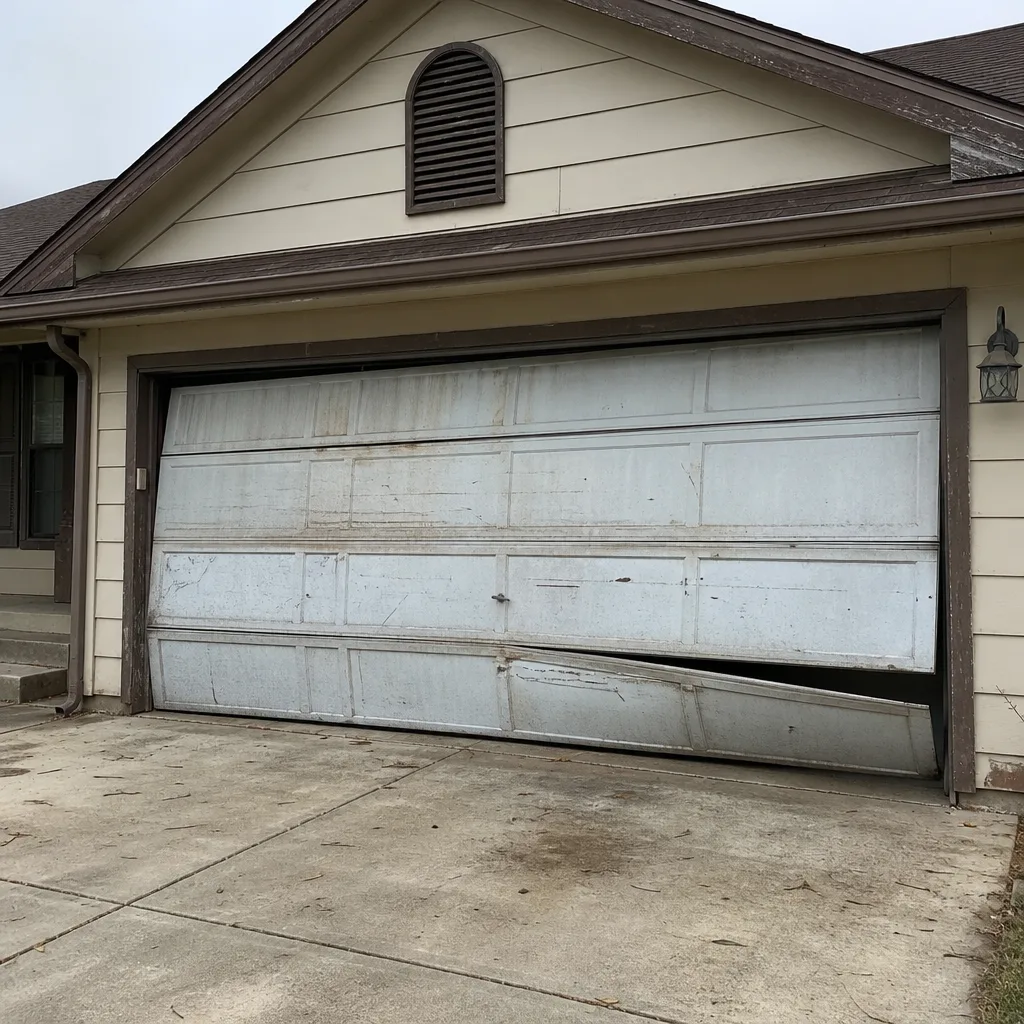 Before
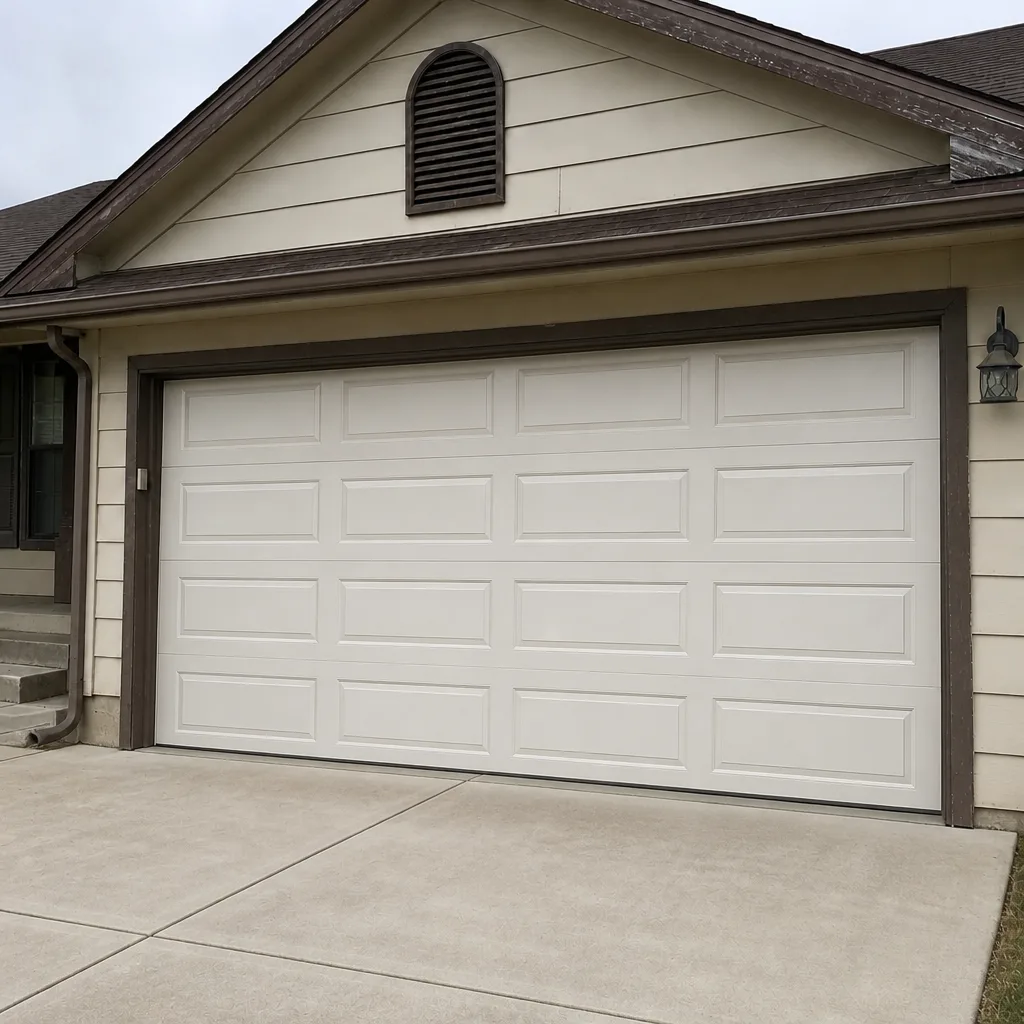 After
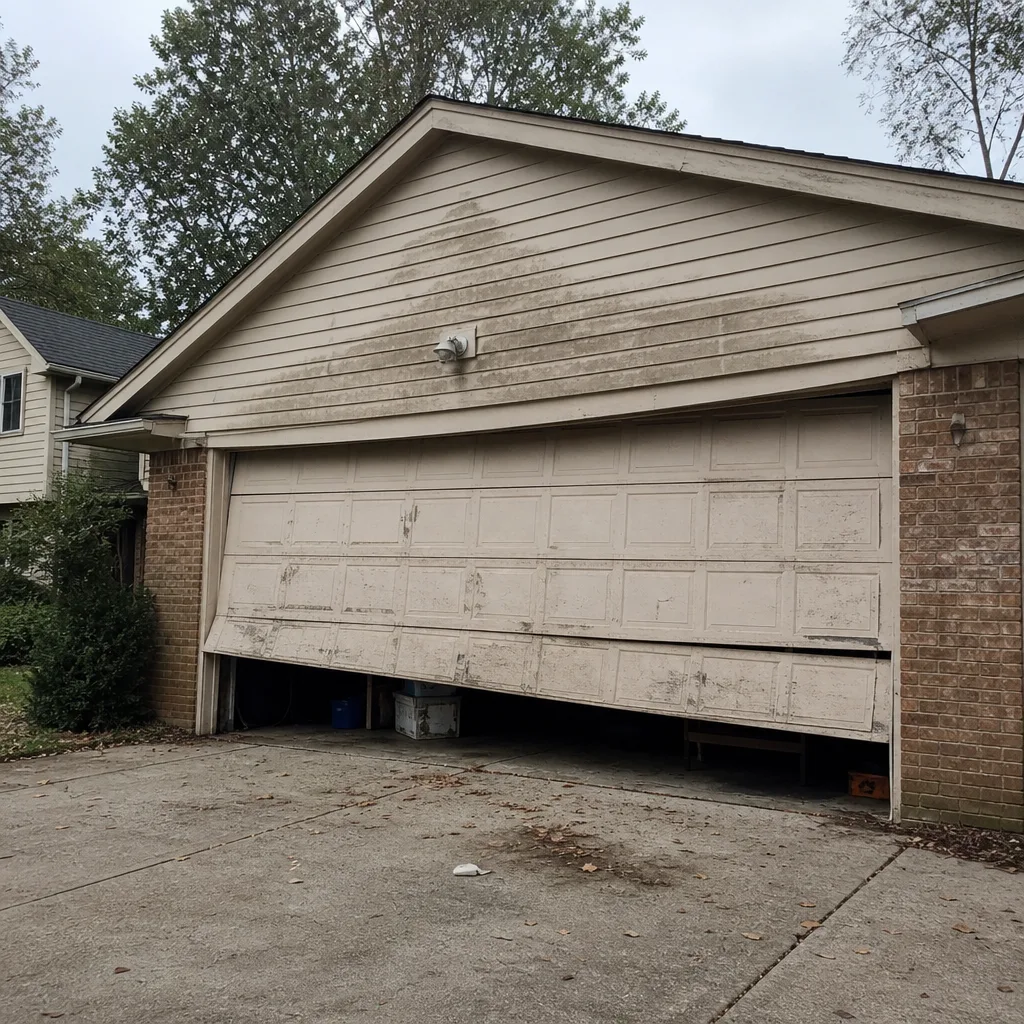 Before
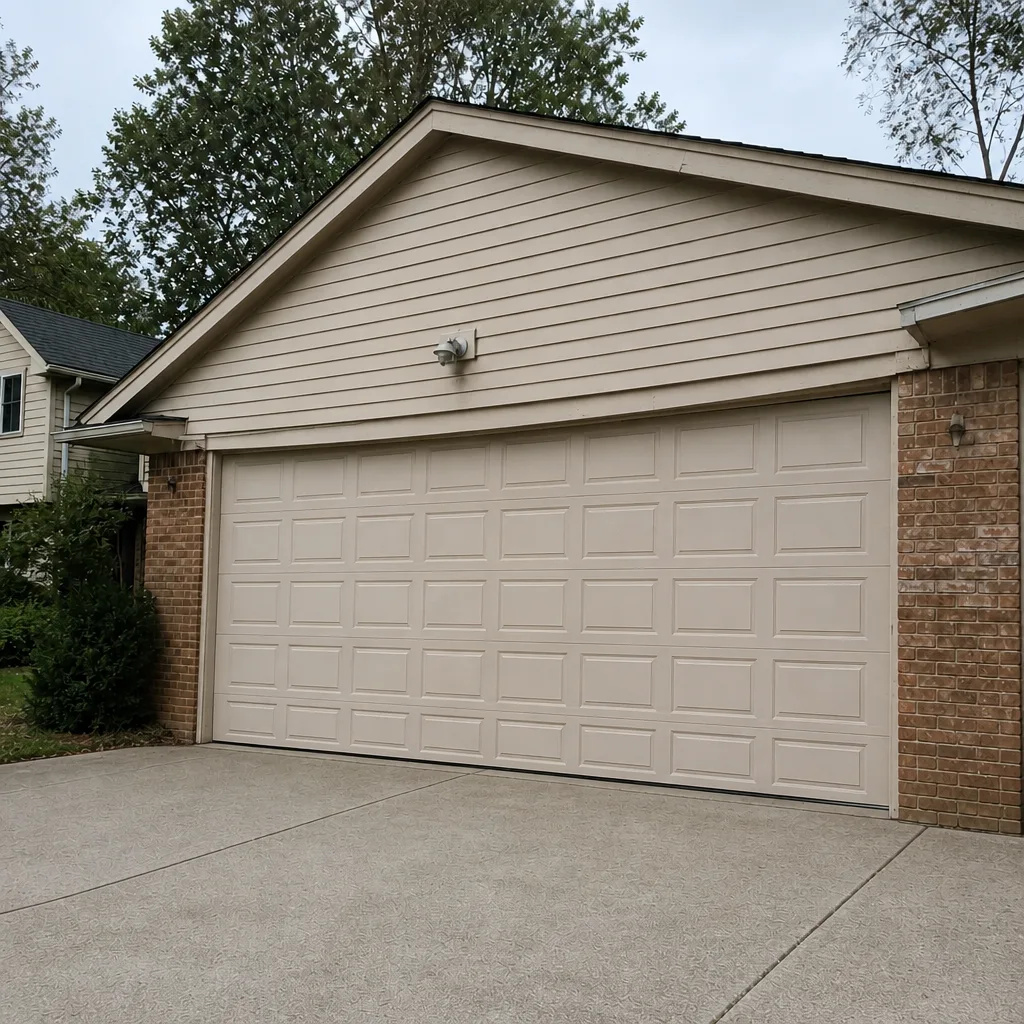 After
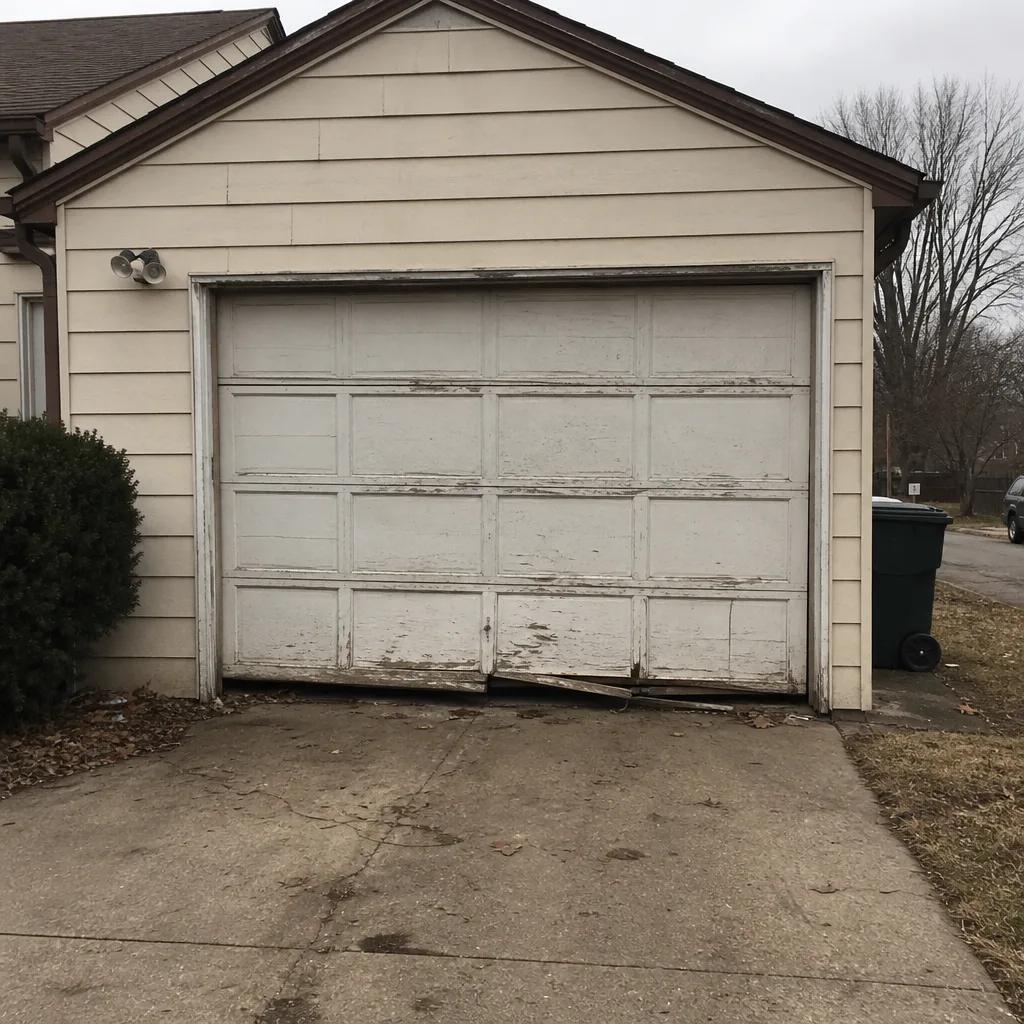 Before
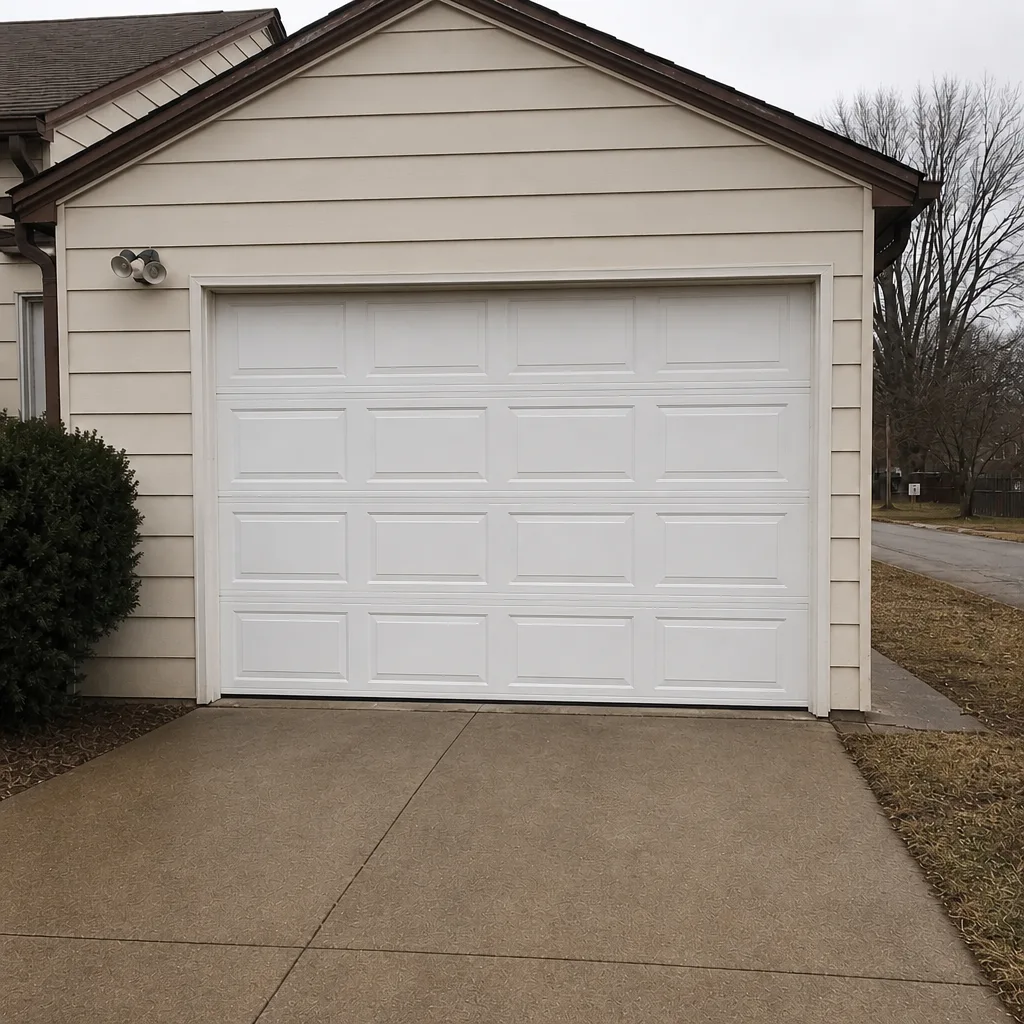 After
Frequently Asked Questions
Look for a visible gap or separation in the torsion spring coil, a new groan on cold mornings, or a door that won’t lift to its usual height. From the floor, a spring that has started to fracture usually shows a distinct split in the coil. Don’t touch it; call (833) 509-5386 for an inspection. A trained technician can confirm whether the spring needs replacement before it fails.
Noise that tracks with the door’s travel usually isn’t urgent, but it should be checked within a few weeks rather than ignored all season. A squeak or grind that starts right after the first cold week in Coon Rapids is often a worn roller or dry bearing. Catching it early keeps a small repair from becoming a larger one. Call (833) 509-5386 and we’ll book a free estimate.
We don’t publish a single price because the cost depends on the part and the door. A roller or seal replacement is a smaller job; spring and opener repairs are larger. What we can tell you is that the price is quoted and agreed before any work starts, and the estimate is free. Call (833) 509-5386 for an exact quote. Estimates are free.
A hesitation at the top of the travel usually means a torsion spring that’s losing tension or hardware binding at the top section. It’s one of the earliest, most reliable spring-wear signals. Don’t run the door repeatedly to test it. Call (833) 509-5386 and we’ll inspect the springs and the track.
Usually yes, if it’s a sensor or seal issue, which causes most of these calls. If it’s a spring or cable problem, we’ll tell you when you call and book it for the next opening. We answer 24/7. Fast dispatch from 7am to 7pm, Sunday through Friday. Call (833) 509-5386.
No. The torsion spring is under extreme tension, and there’s no safe way to work on it without the right tools and training. Adjusting it by hand or with a general-purpose tool risks serious injury. Spring work is one of the most common calls we handle, and it’s the one we’d never recommend as a DIY job. Call (833) 509-5386 and let a technician do it.
The Bottom Line
Most garage door failures give you weeks of notice. The signs are audible (a new bang, squeak, or strain), visible (a gap in the spring, uneven travel, a sagging door), or environmental (a garage that’s colder or damper than it used to be). The manual release test settles opener problems from door problems in 30 seconds. Trust the signs, act on them, and you’ll face a scheduled repair instead of a morning where the door won’t move. In Coon Rapids, where the cold works against every mechanical part, a door that gets inspected before winter is a door that works all winter. Call (833) 509-5386 for a free estimate. We answer 24/7. Fast dispatch from 7am to 7pm, Sunday through Friday, and we’re closed Saturday.
Written by the team at Coon Rapids Garage Door Repair.